Author: Anguri John

  • 30 Unique Names of God: Hebrew Spellings, Numerical Values, and References

    30 Unique Names of God: Hebrew Spellings, Numerical Values, and References

    30 Unique Names of God: Hebrew Spellings, Numerical Values, and References

    Each God’s name in the Bible reflects His divine nature, power, and role in creation and salvation. The Hebrew letters in these names have numerical values (gematria) that reveal deeper insights into their meanings.

    101 Biblical Names, Their Meanings, Hebrew Alphabets, Numerical Values, and Biblical References (Part 2/6)

    Here is a list of 30 unique names of God, with their Hebrew spellings, individual letter numerical values (gematria), total numerical values, and biblical references.


    1. Yahweh (יהוה) – “The LORD”

    • Hebrew Spelling: יהוה
    • Numerical Value:
      • י (Yod) = 10
      • ה (Hey) = 5
      • ו (Vav) = 6
      • ה (Hey) = 5
      • Total: 26
    • Reference: Exodus 3:14 – “I AM WHO I AM.”

    2. Elohim (אֱלֹהִים) – “God, Mighty One”

    • Hebrew Spelling: אֱלֹהִים
    • Numerical Value:
      • א (Aleph) = 1
      • ל (Lamed) = 30
      • ה (Hey) = 5
      • י (Yod) = 10
      • מ (Mem) = 40
      • Total: 86
    • Reference: Genesis 1:1 – “In the beginning, God created the heavens and the earth.”

    3. El Shaddai (אֵל שַׁדַּי) – “God Almighty”

    • Hebrew Spelling: אֵל שַׁדַּי
    • Numerical Value:
      • El (אֵל)
        • א (Aleph) = 1
        • ל (Lamed) = 30
        • Subtotal: 31
      • Shaddai (שַׁדַּי)
        • ש (Shin) = 300
        • ד (Dalet) = 4
        • י (Yod) = 10
        • Subtotal: 314
      • Total: 345
    • Reference: Genesis 17:1 – “I am El Shaddai; walk before Me and be blameless.”

    4. Adonai (אֲדֹנָי) – “Lord, Master”

    • Hebrew Spelling: אֲדֹנָי
    • Numerical Value:
      • א (Aleph) = 1
      • ד (Dalet) = 4
      • נ (Nun) = 50
      • י (Yod) = 10
      • Total: 65
    • Reference: Psalm 8:1 – “O LORD, our Lord, how majestic is Your name in all the earth!”

    5. Yahweh Yireh (יְהוָה יִרְאֵה) – “The LORD Will Provide”

    • Hebrew Spelling: יְהוָה יִרְאֵה
    • Numerical Value:
      • Yahweh (יְהוָה) = 26
      • Yireh (יִרְאֵה)
        • י (Yod) = 10
        • ר (Resh) = 200
        • א (Aleph) = 1
        • ה (Hey) = 5
        • Subtotal: 216
      • Total: 273
    • Reference: Genesis 22:14 – “The LORD will provide.”

    6. Yahweh Nissi (יְהוָה נִסִּי) – “The LORD My Banner”

    • Hebrew Spelling: יְהוָה נִסִּי
    • Numerical Value:
      • Yahweh (יְהוָה) = 26
      • Nissi (נִסִּי)
        • נ (Nun) = 50
        • ס (Samekh) = 60
        • י (Yod) = 10
        • Subtotal: 120
      • Total: 146
    • Reference: Exodus 17:15

    7. Yahweh Shalom (יְהוָה שָׁלוֹם) – “The LORD Is Peace”

    • Hebrew Spelling: יְהוָה שָׁלוֹם
    • Numerical Value:
      • Yahweh (יְהוָה) = 26
      • Shalom (שָׁלוֹם)
        • ש (Shin) = 300
        • ל (Lamed) = 30
        • ו (Vav) = 6
        • ם (Mem Sofit) = 40
        • Subtotal: 376
      • Total: 402
    • Reference: Judges 6:24

    8. El Elyon (אֵל עֶלְיוֹן) – “God Most High”

    • Hebrew Spelling: אֵל עֶלְיוֹן
    • Numerical Value:
      • El (אֵל) = 31
      • Elyon (עֶלְיוֹן)
        • ע (Ayin) = 70
        • ל (Lamed) = 30
        • י (Yod) = 10
        • ו (Vav) = 6
        • ן (Nun Sofit) = 50
        • Subtotal: 166
      • Total: 197
    • Reference: Genesis 14:18

    9. Yahweh Rapha (יְהוָה רָפָא) – “The LORD Who Heals”

    • Hebrew Spelling: יְהוָה רָפָא
    • Numerical Value:
      • Yahweh (יְהוָה) = 26
      • Rapha (רָפָא)
        • ר (Resh) = 200
        • פ (Peh) = 80
        • א (Aleph) = 1
        • Subtotal: 281
      • Total: 307
    • Reference: Exodus 15:26

    10. Yahweh Tsidkenu (יְהוָה צִדְקֵנוּ) – “The LORD Our Righteousness”

    • Hebrew Spelling: יְהוָה צִדְקֵנוּ
    • Numerical Value:
      • Yahweh (יְהוָה) = 26
      • Tsidkenu (צִדְקֵנוּ)
        • צ (Tsade) = 90
        • ד (Dalet) = 4
        • ק (Qof) = 100
        • נ (Nun) = 50
        • ו (Vav) = 6
        • Subtotal: 250
      • Total: 276
    • Reference: Jeremiah 23:6 – “The LORD Our Righteousness.”

    11. Yahweh Sabaoth (יְהוָה צְבָאוֹת) – “The LORD of Hosts”

    • Hebrew Spelling: יְהוָה צְבָאוֹת
    • Numerical Value:
      • Yahweh (יְהוָה) = 26
      • Sabaoth (צְבָאוֹת)
        • צ (Tsade) = 90
        • ב (Bet) = 2
        • א (Aleph) = 1
        • ו (Vav) = 6
        • ת (Tav) = 400
        • Subtotal: 499
      • Total: 525
    • Reference: 1 Samuel 1:3 – “The LORD of Hosts.”

    12. Yahweh Shammah (יְהוָה שָׁמָּה) – “The LORD Is There”

    • Hebrew Spelling: יְהוָה שָׁמָּה
    • Numerical Value:
      • Yahweh (יְהוָה) = 26
      • Shammah (שָׁמָּה)
        • ש (Shin) = 300
        • מ (Mem) = 40
        • ה (Hey) = 5
        • Subtotal: 345
      • Total: 371
    • Reference: Ezekiel 48:35 – “The LORD Is There.”

    13. Yahweh Roi (יְהוָה רֹעִי) – “The LORD My Shepherd”

    • Hebrew Spelling: יְהוָה רֹעִי
    • Numerical Value:
      • Yahweh (יְהוָה) = 26
      • Roi (רֹעִי)
        • ר (Resh) = 200
        • ע (Ayin) = 70
        • י (Yod) = 10
        • Subtotal: 280
      • Total: 306
    • Reference: Psalm 23:1 – “The LORD is my shepherd.”

    14. El Olam (אֵל עוֹלָם) – “Everlasting God”

    • Hebrew Spelling: אֵל עוֹלָם
    • Numerical Value:
      • El (אֵל) = 31
      • Olam (עוֹלָם)
        • ע (Ayin) = 70
        • ו (Vav) = 6
        • ל (Lamed) = 30
        • ם (Mem Sofit) = 40
        • Subtotal: 146
      • Total: 177
    • Reference: Genesis 21:33 – “Everlasting God.”

    15. HaKadosh (הַקָּדוֹשׁ) – “The Holy One”

    • Hebrew Spelling: הַקָּדוֹשׁ
    • Numerical Value:
      • ה (Hey) = 5
      • ק (Qof) = 100
      • ד (Dalet) = 4
      • ו (Vav) = 6
      • ש (Shin) = 300
      • Total: 415
    • Reference: Isaiah 40:25 – “The Holy One.”

    16. El Gibbor (אֵל גִּבּוֹר) – “Mighty God”

    • Hebrew Spelling: אֵל גִּבּוֹר
    • Numerical Value:
      • El (אֵל) = 31
      • Gibbor (גִּבּוֹר)
        • ג (Gimel) = 3
        • ב (Bet) = 2
        • ו (Vav) = 6
        • ר (Resh) = 200
        • Subtotal: 211
      • Total: 242
    • Reference: Isaiah 9:6 – “Mighty God.”

    17. El Roi (אֵל רֳאִי) – “The God Who Sees Me”

    • Hebrew Spelling: אֵל רֳאִי
    • Numerical Value:
      • El (אֵל) = 31
      • Roi (רֳאִי)
        • ר (Resh) = 200
        • א (Aleph) = 1
        • י (Yod) = 10
        • Subtotal: 211
      • Total: 242
    • Reference: Genesis 16:13 – “The God who sees me.”

    18. Yah (יָהּ) – “The LORD”

    • Hebrew Spelling: יָהּ
    • Numerical Value:
      • י (Yod) = 10
      • ה (Hey) = 5
      • Total: 15
    • Reference: Psalm 68:4 – “Sing to God, sing praises to His name… His name is Yah.”

    19. Yahweh Mekoddishkem (יְהוָה מְקַדִּשְׁכֶם) – “The LORD Who Sanctifies”

    • Hebrew Spelling: יְהוָה מְקַדִּשְׁכֶם
    • Numerical Value:
      • Yahweh (יְהוָה) = 26
      • Mekoddishkem (מְקַדִּשְׁכֶם)
        • מ (Mem) = 40
        • ק (Qof) = 100
        • ד (Dalet) = 4
        • ש (Shin) = 300
        • כ (Kaf) = 20
        • ם (Mem Sofit) = 40
        • Subtotal: 504
      • Total: 530
    • Reference: Leviticus 20:8 – “I am the LORD who sanctifies you.”

    20. El Chay (אֵל חַי) – “Living God”

    • Hebrew Spelling: אֵל חַי
    • Numerical Value:
      • El (אֵל) = 31
      • Chay (חַי)
        • ח (Chet) = 8
        • י (Yod) = 10
        • Subtotal: 18
      • Total: 49
    • Reference: Joshua 3:10 – “By this, you shall know that the Living God is among you.”

    21. El De’ot (אֵל דֵּעוֹת) – “God of Knowledge”

    • Hebrew Spelling: אֵל דֵּעוֹת
    • Numerical Value:
      • El (אֵל) = 31
      • De’ot (דֵּעוֹת)
        • ד (Dalet) = 4
        • ע (Ayin) = 70
        • ו (Vav) = 6
        • ת (Tav) = 400
        • Subtotal: 480
      • Total: 511
    • Reference: 1 Samuel 2:3 – “For the LORD is the God of knowledge.”

    22. Eloah (אֱלוֹהַּ) – “God”

    • Hebrew Spelling: אֱלוֹהַּ
    • Numerical Value:
      • א (Aleph) = 1
      • ל (Lamed) = 30
      • ו (Vav) = 6
      • ה (Hey) = 5
      • Total: 42
    • Reference: Deuteronomy 32:15 – “But Jeshurun grew fat and kicked—then he forsook Eloah who made him.”

    23. Yahweh Jireh (יְהוָה יִרְאֵה) – “The LORD Will Provide”

    • Hebrew Spelling: יְהוָה יִרְאֵה
    • Numerical Value: 273
    • Reference: Genesis 22:14 – “The LORD will provide.”

    24. El Emunah (אֵל אֱמוּנָה) – “Faithful God”

    • Hebrew Spelling: אֵל אֱמוּנָה
    • Numerical Value:
      • El (אֵל) = 31
      • Emunah (אֱמוּנָה)
        • א (Aleph) = 1
        • מ (Mem) = 40
        • ו (Vav) = 6
        • נ (Nun) = 50
        • ה (Hey) = 5
        • Subtotal: 102
      • Total: 133
    • Reference: Deuteronomy 32:4 – “A God of faithfulness and without iniquity.”

    25. El Tzur (אֵל צוּר) – “God My Rock”

    • Hebrew Spelling: אֵל צוּר
    • Numerical Value:
      • El (אֵל) = 31
      • Tzur (צוּר)
        • צ (Tsade) = 90
        • ו (Vav) = 6
        • ר (Resh) = 200
        • Subtotal: 296
      • Total: 327
    • Reference: Psalm 18:2 – “The LORD is my rock and my fortress and my deliverer.”

    26. Yahweh Tsidkenu (יְהוָה צִדְקֵנוּ) – “The LORD Our Righteousness”

    • Hebrew Spelling: יְהוָה צִדְקֵנוּ
    • Numerical Value:
      • Yahweh (יְהוָה)
        • י (Yod) = 10
        • ה (Hey) = 5
        • ו (Vav) = 6
        • ה (Hey) = 5
        • Subtotal: 26
      • Tsidkenu (צִדְקֵנוּ)
        • צ (Tsade) = 90
        • ד (Dalet) = 4
        • ק (Qof) = 100
        • נ (Nun) = 50
        • ו (Vav) = 6
        • Subtotal: 250
      • Total: 276
    • Reference: Jeremiah 23:6 – “This is the name by which He will be called: The LORD Our Righteousness.”

    27. El Bethel (אֵל בֵּית אֵל) – “God of the House of God”

    Hebrew: אֵל בֵּית אֵל | א (1) + ל (30) + ב (2) + י (10) + ת (400) + א (1) + ל (30) = 179

    28. Melech HaOlam (מֶלֶךְ הָעוֹלָם) – “King of the Universe”

    Hebrew: מֶלֶךְ הָעוֹלָם | מ (40) + ל (30) + ךְ (20) + ה (5) + ע (70) + ו (6) + ל (30) + ם (40) = 231

    29. Avinu Malkeinu (אָבִינוּ מַלְכֵּנוּ) – “Our Father, Our King”

    Hebrew: אָבִינוּ מַלְכֵּנוּ | א (1) + ב (2) + י (10) + נ (50) + ו (6) + מ (40) + ל (30) + כ (20) + נ (50) + ו (6) = 303

    30. Yahweh Chereb (יְהוָה חֶרֶב) – “The LORD is a Sword”

    Hebrew: יְהוָה חֶרֶב | י (10) + ה (5) + ו (6) + ה (5) + ח (8) + ר (200) + ב (2) = 215

    31. Yahweh Bore (יְהוָה בּוֹרֵא) – “The LORD Creator”

    Hebrew: יְהוָה בּוֹרֵא | י (10) + ה (5) + ו (6) + ה (5) + ב (2) + ו (6) + ר (200) + א (1) = 228

    Conclusion

    These names of God reflect His divine attributes, power, and relationship with humanity. The numerical values (gematria) provide deeper spiritual significance to each name.


    This finalized list includes 30 unique names of God with correct Hebrew spellings, individual letter numerical values, and biblical references. These names reveal God’s attributes, power, and relationship with humanity.

    📖 Which name of God resonates with you the most? Let me know your thoughts! 🚀

    https://youtu.be/WWDNblTVKMo

  • 101 Biblical Names, Their Meanings, Hebrew Alphabets, Numerical Values, and Biblical References (Part 2/6)

    101 Biblical Names, Their Meanings, Hebrew Alphabets, Numerical Values, and Biblical References (Part 2/6)

    101 Biblical Names, Their Meanings, Hebrew Alphabets, Numerical Values, and Biblical References (Part 2/6)

    Names in the Bible carry deep spiritual significance, often reflecting divine attributes, prophetic destinies, and historical events. Each Hebrew letter has a numerical value (gematria), revealing deeper insights into Scripture. This post explores 101 unique biblical names, their Hebrew spellings, numerical values, and biblical references.


    Old Testament Biblical Names

    1. Seth (שֵׁת) – “Appointed”

    Biblical Reference: Genesis 4:25 – given to Adam and Eve after Abel’s death.

    Numerical Value: ש (300) + ת (400) = 700

     2. Enosh (אֱנוֹשׁ) – “Mortal, Frail”

    Biblical Reference: Genesis 4:26 – Grandson of Adam, during his time people began calling on God.

    Numerical Value: א (1) + נ (50) + ו (6) + ש (300) = 357

    3. Enoch (חֲנוֹךְ) – “Dedicated”

    Biblical Reference: Genesis 5:24 – Walked with God and was taken to heaven.

    Numerical Value: ח (8) + נ (50) + ו (6) + ך (20) = 84

     4. Lamech (לֶמֶךְ) – “Powerful”

    Biblical Reference: Genesis 5:28-31 – Father of Noah.

    Numerical Value: ל (30) + מ (40) + ך (20) = 90

    5. Japheth (יֶפֶת) – “Enlargement”

    Biblical Reference: Genesis 9:27 – Son of Noah, ancestor of many nations.

    Numerical Value: י (10) + פ (80) + ת (400) = 490

    6. Shem (שֵׁם) – “Name, Renown”

    Biblical Reference: Genesis 9:26 – Son of Noah, ancestor of the Semitic people.

    Numerical Value: ש (300) + ם (40) = 340

    7. Ham (חָם) – “Hot, Burnt”

    Biblical Reference: Genesis 9:22 – Son of Noah, father of the Canaanites.

    Numerical Value: ח (8) + ם (40) = 48

    8. Nimrod (נִמְרוֹד) – “Rebel”

    Biblical Reference: Genesis 10:8-9 – A mighty hunter before the Lord.

    Numerical Value: נ (50) + מ (40) + ר (200) + ו (6) + ד (4) = 300

    101 Biblical Names, Their Meanings, Hebrew Alphabets, Numerical Values, and Biblical References (Part 2/6)
    101 Biblical Names, Their Meanings, Hebrew Alphabets, Numerical Values, and Biblical References (Part 2/6)

    Old Testament Biblical Names

    9. Methuselah (מְתוּשֶׁלַח) – “When He Dies, It Will Come”  

    – Biblical Reference: Genesis 5:27 – The oldest person in the Bible (969 years).  

    – Numerical Value: מ (40) + ת (400) + ו (6) + ש (300) + ל (30) + ח (8) = 784  

     10. Caleb (כָּלֵב) – “Faithful, Wholehearted”  

    – Biblical Reference: Numbers 14:24 – One of the two faithful spies.  

    – Numerical Value: כ (20) + ל (30) + ב (2) = 52  

     11. Gideon (גִּדְעוֹן) – “Mighty Warrior”  

    – Biblical Reference: Judges 6:12 – A judge of Israel who defeated the Midianites.  

    – Numerical Value: ג (3) + ד (4) + ע (70) + ו (6) + ן (50) = 133  

     12. Naomi (נָעֳמִי) – “Pleasant”  

    – Biblical Reference: Ruth 1:20 – Ruth’s mother-in-law who later changed her name to Mara, meaning “bitter.”  

    – Numerical Value: נ (50) + ע (70) + מ (40) + י (10) = 170  

     13. Ruth (רוּת) – “Friend, Companion”  

    – Biblical Reference: Ruth 1:16 – A Moabite woman who became an ancestor of Jesus.  

    – Numerical Value: ר (200) + ו (6) + ת (400) = 606  

     14. Esther (אֶסְתֵּר) – “Star”  

    – Biblical Reference: Esther 4:14 – Queen of Persia who saved the Jewish people.  

    – Numerical Value: א (1) + ס (60) + ת (400) + ר (200) = 661  

     15. Levi (לֵוִי) – “Joined, Attached”  

    – Biblical Reference: Genesis 29:34 – Founder of the Levitical priesthood.  

    – Numerical Value: ל (30) + ו (6) + י (10) = 46  

     16. Simeon (שִׁמְעוֹן) – “God Has Heard”  

    – Biblical Reference: Genesis 29:33 – Son of Jacob.  

    – Numerical Value: ש (300) + מ (40) + ע (70) + ו (6) + ן (50) = 466  

     17. Jesse (יִשַׁי) – “Gift”  

    – Biblical Reference: 1 Samuel 16:1 – Father of King David.  

    – Numerical Value: י (10) + ש (300) + י (10) = 320  

     18. Malachi (מַלְאָכִי) – “Messenger of God”  

    – Biblical Reference: Malachi 1:1 – Last prophet of the Old Testament.  

    – Numerical Value: מ (40) + ל (30) + א (1) + כ (20) + י (10) = 101  


    https://youtube.com/shorts/J5ez_wpomPI?feature=share

    New Testament Biblical Names 

    19. Zacharias (זְכַרְיָה) – “The Lord Remembers”

    • Biblical Reference: Luke 1:5 – Father of John the Baptist.
    • Numerical Value: ז (7) + כ (20) + ר (200) + י (10) + ה (5) = 242

    20. Elizabeth (אֱלִישֶׁבַע) – “God is My Oath”

    • Biblical Reference: Luke 1:41 – Mother of John the Baptist.
    • Numerical Value: א (1) + ל (30) + י (10) + ש (300) + ב (2) + ע (70) = 413

    21. Simeon (שִׁמְעוֹן) – “Heard”

    • Biblical Reference: Luke 2:25 – The devout man who blessed baby Jesus in the temple.
    • Numerical Value: ש (300) + מ (40) + ע (70) + ו (6) + ן (50) = 466

    22. Anna (חַנָּה) – “Grace”

    • Biblical Reference: Luke 2:36 – Prophetess who recognized Jesus as the Messiah.
    • Numerical Value: ח (8) + נ (50) + ה (5) = 63

     23. Nicodemus (Νικόδημος) – “Victory of the People”

    • Biblical Reference: John 3:1 – A Pharisee who spoke with Jesus about being born again.

    24. Lazarus (לְעָזָר) – “God Has Helped”

    • Biblical Reference: John 11:43 – Raised from the dead by Jesus.
    • Numerical Value: ל (30) + ע (70) + ז (7) + ר (200) = 307

     25. Bartimaeus (Βαρτιμαῖος) – “Son of Honor”

    • Biblical Reference: Mark 10:46 – A blind beggar healed by Jesus.

    26. Martha (מַרְתָּה) – “Lady, Mistress”

    • Biblical Reference: Luke 10:38-42 – Sister of Mary and Lazarus.
    • Numerical Value: מ (40) + ר (200) + ת (400) + ה (5) = 645

    27. Joanna (יוֹחָנָה) – “God is Gracious”

    • Biblical Reference: Luke 8:3 – A follower of Jesus who supported His ministry.
    • Numerical Value: י (10) + ו (6) + ח (8) + נ (50) + ה (5) = 79

    28. Matthias (מַתִּתְיָהוּ) – “Gift of God”

    • Biblical Reference: Acts 1:26 – Chosen to replace Judas as an apostle.
    • Numerical Value: מ (40) + ת (400) + י (10) + ת (400) + י (10) + ה (5) + ו (6) = 871

    29. Mary (מִרְיָם) – “Beloved, Bitter”  

    – Biblical Reference: Luke 1:28 – Mother of Jesus, highly favored by God.  

    – Numerical Value: מ (40) + ר (200) + י (10) + ם (40) = 290  

     30. Peter (כֵּיפָא, Kepha) – “Rock”  

    – Biblical Reference: Matthew 16:18 – Disciple of Jesus, the foundation of the Church.  

    – Numerical Value: כ (20) + י (10) + פ (80) + א (1) = 111  

     31. Paul (Παῦλος, Sha’ul) – “Small, Humble”  

    – Biblical Reference: Acts 9:15 – Former persecutor of Christians, later a great apostle.  – Numerical Value: ש (300) + א (1) + ו (6) + ל (30) = 337  

     32. John (יוֹחָנָן) – “God is Gracious”  

    – Biblical Reference: John 1:6 – John the Baptist, forerunner of Jesus.  

    – Numerical Value: י (10) + ו (6) + ח (8) + נ (50) + ן (50) = 124  

     33. Joseph (יוֹסֵף) – “God Will Add”  

    – Biblical Reference: Matthew 1:19 – Earthly Father of Jesus.  

    – Numerical Value: י (10) + ו (6) + ס (60) + ף (80) = 156  

     34. Andrew (Ἀνδρέας) – “Manly”  –

    Biblical Reference: John 1:40 – First disciple of Jesus.  

    Andrew (אנדריאס) – “Manly” → א (1), נ (50), ד (4), ר (200), י (10), א (1), ס (60) 

    Total Value: 326  John 1:40 – First disciple of Jesus and brother of Peter.

     35. Thomas (Θωμᾶς) – “Twin”  

    – Biblical Reference: John 20:27 – The disciple who doubted Jesus’ resurrection. 

    Thomas (תּוֹמָא) – “Twin” → ת (400), ו (6), מ (40), א (1)  Total Value: 447 

     36. Philip (Φίλιππος) – “Lover of Horses”  

    Philip (Φίλιππος) – “Lover of Horses”

    • Biblical Reference: John 14:9 – One of the twelve apostles of Jesus.
    • Biblical Meaning: The name Philip means “Lover of Horses” and signifies strength, swiftness, and leadership. It was a common name in Greek culture and is associated with rulers and warriors.
    • Hebrew Equivalent: פיליפוס (Pilippos)
    • Greek Spelling: Φίλιππος
    • Greek Numerical Value (Isopsephy):
      • Φ (500) + ί (10) + λ (30) + ί (10) + π (80) + π (80) + ο (70) + ς (200) = 980
    • Notable Mentions: Philip was one of Jesus’ earliest disciples and played a key role in introducing others to Christ (John 1:43-46). He also asked Jesus to show the Father to the disciples (John 14:8-9).

    Philip’s name reflects characteristics of spiritual strength, determination, and the pursuit of truth.

     37. James (Ἰάκωβος) – “Supplanter”  

    – Biblical Reference: Matthew 4:21 – Son of Zebedee, one of Jesus’ closest disciples.  

    → י (10), ע (70), ק (100), ב (2)  Total Value: 182;  Matthew 4:21 – Son of Zebedee, one of Jesus’ closest disciples.

    38. Matthew (מַתִּתְיָהוּ) – “Gift of God” →

    מ (40), ת (400), י (10), ת (400), י (10), ה (5), ו (6)  Total Value: 871  Matthew 9:9 – One of the twelve apostles, a former tax collector, and author of the Gospel of Matthew.

    Conclusion

    Biblical names are rich with meaning, history, and divine revelation. Understanding their Hebrew origins, numerical values, and biblical contexts provides deeper insight into God’s character and His work throughout Scripture.  

    Biblical names hold prophetic significance and divine messages. Their Hebrew roots and numerical values offer deeper insights into God’s character and His plans for humanity. By studying these names, we uncover richer meanings in Scripture and a greater appreciation for biblical history.

    Which biblical name resonates with you the most? Let me know in the comments!

     FAQs  

     1. What is the significance of numerical values in biblical names?  

    Each Hebrew letter has a numerical value, known as gematria, which reveals deeper meanings and patterns in Scripture.  

     2. Why did some biblical figures have their names changed?  

    God changed names (e.g., Abram to Abraham, Jacob to Israel) to reflect new identities and divine covenants.  

     3. How do biblical names impact faith today?  

    Many biblical names are still used, carrying deep meanings and serving as reminders of God’s promises.  

     4. What is the most common biblical name?  

    Names like John, Mary, and Joseph are among the most frequently mentioned due to their spiritual significance.  

    5. Why do numbers matter in biblical names?

    In Hebrew, letters have numerical values, a system called gematria, which reveals hidden meanings and divine patterns in Scripture.

    6. What is the significance of name changes in the Bible?

    God often changed names (e.g., Abram to Abraham, Jacob to Israel) to reflect new destinies and divine covenants.

    7. How do biblical names impact faith today?

    Many biblical names are still used, carrying deep meanings and reminders of God’s promises.

    https://youtu.be/AvZCofP8ue4

  • 101 Biblical Names, Their Meanings, Hebrew Alphabets, Numerical Values, and Biblical References (Part 1/6)

    101 Biblical Names, Their Meanings, Hebrew Alphabets, Numerical Values, and Biblical References (Part 1/6)

    101 Biblical Names, Their Meanings, Hebrew Alphabets, Numerical Values, and Biblical References

    Introduction

    Names in the Bible are not merely identifiers; they carry profound spiritual, prophetic, and historical significance. Many reflect divine attributes, destinies, and God’s interaction with humanity. Additionally, in biblical Hebrew, each letter has a numerical value, a system known as gematria, which uncovers deeper meanings in Scripture. This post explores 101 biblical names, their Hebrew spellings, numerical values, and biblical references.


    Old Testament Biblical Names

    1. Adam (אָדָם) – “Man, Earth”

    • Biblical Reference: Genesis 2:7 – The first human, created by God from the dust.
    • Numerical Value: א (1) + ד (4) + ם (40) = 45

    2. Eve (חַוָּה) – “Life, Living”

    • Biblical Reference: Genesis 3:20 – The first woman, mother of all living.
    • Numerical Value: ח (8) + ו (6) + ה (5) = 19

    3. Noah (נֹחַ) – “Rest, Comfort”

    • Biblical Reference: Genesis 6:9 – Built the ark and survived the flood.
    • Numerical Value: נ (50) + ח (8) = 58

    4. Abraham (אַבְרָהָם) – “Father of Many Nations”

    • Biblical Reference: Genesis 17:5 – Originally Abram; renamed by God.
    • Numerical Value: א (1) + ב (2) + ר (200) + ה (5) + ם (40) = 248

    5. Sarah (שָׂרָה) – “Princess, Noblewoman”

    • Biblical Reference: Genesis 17:15 – Wife of Abraham, mother of Isaac.
    • Numerical Value: ש (300) + ר (200) + ה (5) = 505

    6. Isaac (יִצְחָק) – “Laughter”

    • Biblical Reference: Genesis 21:6 – Sarah laughed at God’s promise.
    • Numerical Value: י (10) + צ (90) + ח (8) + ק (100) = 208

    7. Jacob (יַעֲקֹב) – “Supplanter”

    • Biblical Reference: Genesis 25:26 – Later renamed Israel.
    • Numerical Value: י (10) + ע (70) + ק (100) + ב (2) = 182

    New Testament Biblical Names

    8. Mary (מִרְיָם) – “Beloved, Bitter”

    • Biblical Reference: Luke 1:28 – Mother of Jesus, highly favored by God.
    • Numerical Value: מ (40) + ר (200) + י (10) + ם (40) = 290

    9. Joseph (יוֹסֵף) – “God Will Add”

    • Biblical Reference: Matthew 1:19 – Earthly Father of Jesus.
    • Numerical Value: י (10) + ו (6) + ס (60) + ף (80) = 156

    10. John (יוֹחָנָן) – “God is Gracious”

    • Biblical Reference: John 1:6 – John the Baptist, forerunner of Jesus.
    • Numerical Value: י (10) + ו (6) + ח (8) + נ (50) + ן (50) = 124

    11. Peter (Πέτρος) – “Rock”

    • Biblical Reference: Matthew 16:18 – Disciple of Jesus, foundation of the Church.

    `12.  Paul (Παῦλος) – “Small, Humble”

    • Biblical Reference: Acts 9:15 – Former persecutor of Christians, became a great apostle.

    Conclusion

    Biblical names are more than labels; they hold prophetic significance and divine messages. Their Hebrew origins and numerical values offer deeper insights into God’s character and His plans for humanity. By studying these names, we uncover richer meanings in Scripture and a greater appreciation for biblical history.

    https://youtu.be/dIUf2tWb2D8


    FAQs

    1. Why do numbers matter in biblical names?

    In Hebrew, letters have numerical values, a system called gematria. This reveals hidden meanings and divine patterns in Scripture.

    2. What is the most common biblical name?

    Names like John, Mary, and Joseph are among the most frequently mentioned due to their strong spiritual significance.

    3. What does the name Joshua mean?

    Joshua means “The Lord Saves,” foreshadowing Jesus’ mission of salvation.

    4. Why was Jacob renamed Israel?

    Jacob’s new name, Israel, symbolized his transformation after wrestling with God and the establishment of his descendants as a great nation.

    5. What does the number 40 mean in the Bible?

    The number 40 signifies testing and transformation, as seen in events like:
    Moses’ 40-day fast on Mount Sinai (Exodus 34:28).
    Israel’s 40 years in the wilderness (Numbers 14:33).
    Jesus’ 40 days of fasting in the wilderness (Matthew 4:2).

    https://divinetruthofnumbers.com/hebrew-alphabets-and-their-numerical/

  • Biblical Numerology: The Meaning of Numbers 38–50 in Scripture (Part 4)

    Biblical Numerology: The Meaning of Numbers 38–50 in Scripture (Part 4)

    Biblical Numerology: The Meaning of Numbers 38–50 in Scripture (Part 4)

    Numbers in the Bible are not random; they carry deep spiritual meanings that reveal divine truths, God’s plans, and His interactions with humanity. From healing and restoration to testing and breakthrough, numbers illustrate key biblical themes. This post explores the significance of numbers 38 through 50 and their spiritual symbolism.

    The Symbolic Meaning of Numbers 38–50

    38 – The Number of Healing & Restoration

    In John 5:5-9, Jesus healed a man who had suffered for 38 years. This number represents long periods of struggle followed by divine restoration, emphasizing God’s grace in bringing healing after endurance.

    39 – The Number of Mercy & Suffering

    Jesus received 39 lashes before His crucifixion, symbolizing the suffering He endured for humanity’s redemption. This number also represents mercy, as suffering often leads to healing, deliverance, and restoration.

    40 – The Number of Testing & Transformation

    The number 40 is associated with trials, purification, and spiritual preparation:

    • The Flood lasted 40 days and nights (Genesis 7:12).
    • Moses fasted for 40 days on Mount Sinai (Exodus 34:28).
    • Jesus fasted for 40 days in the wilderness (Matthew 4:2).

    https://youtu.be/Ub2Std49ffo

    It represents a period of testing that leads to transformation and spiritual renewal.

    41 – The Number of Breakthrough After Trial

    Following the testing of 40 comes 41, symbolizing the end of trials and the beginning of blessings. It represents spiritual breakthroughs and the fulfillment of God’s promises after a period of struggle.

    42 – The Number of Journeys & Completion

    The Israelites made 42 stops in the wilderness before entering the Promised Land (Numbers 33). This number signifies life’s journey, spiritual progression, and the path toward divine fulfillment.

    43 – The Number of Establishing Orders

    Forty-three is linked to divine alignment and structure. It represents God’s orderly plans and the establishment of His purpose in the lives of His people.

    44 – The Number of Worldly Trials & Endurance

    The number 44 is associated with difficulties in the material world. It signifies endurance, testing, and the need to rely on faith to overcome challenges.

    45 – The Number of Preservation & Protection

    Forty-five symbolizes divine protection over God’s people. It is often connected with God’s shielding power, ensuring the safety and preservation of His followers.

    46 – The Number of Man’s Work & God’s Plan

    The Temple in Jerusalem was under construction for 46 years (John 2:20). This number represents the relationship between human effort and God’s divine plan, emphasizing that God’s purpose prevails despite human limitations.

    47 – The Number of Spiritual Insight & Revelation

    Forty-seven is associated with gaining deeper spiritual wisdom. It symbolizes divine understanding and enlightenment, revealing God’s mysteries to those who seek Him.

    48 – The Number of Inheritance & Anointing

    The Levites received 48 cities as their inheritance (Numbers 35:7). This number represents being set apart for God’s work, spiritual inheritance, and the anointing to serve Him faithfully.

    49 – The Number of Completion Before Jubilee

    Forty-nine is 7 × 7, representing ultimate completion and divine fullness. After 49 years, the 50th year is the Year of Jubilee (Leviticus 25:8-10), a time of freedom, restoration, and divine blessing.

    50 – The Number of Jubilee & The Holy Spirit

    The number 50 signifies deliverance, liberation, and divine empowerment:

    • The YeaBiblical r of Jubilee celebrated every 50 years, marked the forgiveness of debts and the freeing of captives.
    • Pentecost (Acts 2) occurred 50 days after Jesus’ resurrection, bringing the outpouring of the Holy Spirit.

    This number represents the fullness of God’s promises and the empowerment of believers through the Holy Spirit.

    Biblical Numerology

    https://divinetruthofnumbers.com/divine-numerological-truths-according-to-the-bible-part-3-numbers-21-to-37/

    Conclusion

    Biblical numerology reveals deep spiritual insights into God’s divine order and His interaction with humanity. Numbers 38 through 50 reflect themes of healing, testing, breakthroughs, and ultimate freedom. By understanding these symbolic meanings, we can recognize God’s hand in our own spiritual journeys.

    FAQs

    1. Why do numbers matter in the Bible?

    Numbers in the Bible often carry symbolic meanings that reveal spiritual truths, divine patterns, and prophetic messages. They help us understand God’s work throughout history.

    2. What is the significance of the number 40 in the Bible?

    The number 40 represents testing, transformation, and spiritual preparation, as seen in the Flood, Moses’ fasting, and Jesus’ time in the wilderness.

    3. What does the number 50 mean in Christianity?

    Fifty represents the Year of Jubilee (a time of freedom and restoration) and Pentecost when the Holy Spirit was poured out on believers. It signifies divine empowerment and deliverance.

    4. How does the number 39 relate to Jesus’ suffering?

    Jesus received 39 lashes before His crucifixion, symbolizing His suffering for the redemption of humanity. It is often associated with mercy and healing.

    5. What does the number 49 mean spiritually?

    Forty-nine represents the final stage before the Jubilee, symbolizing completeness and spiritual fullness. It marks the end of a cycle and the anticipation of divine restoration.

    Numbers in the Bible serve as reminders of God’s divine plan, His promises, and His presence in our lives. Understanding them enriches our faith and deepens our spiritual insight.

  • Biblical Names of God and Their Meanings” 📖✨ | Discover the Divine Names of God | Unlocking the Secrets of Hebrew Names in the Bible (Part 1)

    Biblical Names of God and Their Meanings” 📖✨ | Discover the Divine Names of God | Unlocking the Secrets of Hebrew Names in the Bible (Part 1)

    Biblical Names of God and Their Meanings” 📖✨ | Discover the Divine Names of God | Unlocking the Secrets of Hebrew Names in the Bible (Part 1)

    Names in the Bible are more than just labels—they carry deep meanings, symbolism, prophecy, and divine messages. In the Hebrew tradition, a name often reveals a person’s character, destiny, and relationship with God. Understanding these names unlocks deeper insights into biblical stories, prophecies, and spiritual truths.

    Unlocking the Secrets of Hebrew Names in the Bible

    • Explores the mystical and theological importance of Hebrew names, focusing on:
    •   The importance of names in Hebrew culture and the Bible
    •   Common themes and meanings behind Hebrew names
    •   Famous Hebrew names and their significance
    •   How understanding Hebrew names enriches biblical interpretation

    By the end of this guide, you will have a deeper understanding of how Hebrew names shape biblical narratives and reveal divine truths.


     The Importance of Names in Hebrew Culture and the Bible

    In biblical times, a name was more than just an identity marker—it was believed to shape a person’s character, fate, and divine purpose. In Genesis 2:1920, we see that God gave Adam the authority to name the animals, showing that naming was an act of understanding, power, and dominion.

    Similarly, Hebrew names often reflected:

    •   A person’s destiny or mission
    •   God’s divine plan for them
    •   A historical or prophetic event
    •   A characteristic or trait

    The Power of Hebrew Names in the Bible

    For example, the name Abram (אַבְרָם) means “exalted father,” but God later changes his name to Abraham (אַבְרָהָם), meaning “father of many nations” (Genesis 17:5), reflecting his new divine purpose.

    Names and Divine Encounters

    Many biblical figures received new names from God after a life-changing spiritual encounter:

    • Jacob (יַעֲקֹב) → Israel (יִשְׂרָאֵל) – “He who struggles with God” (Genesis 32:28).
    • Sarai (שָׂרַי) → Sarah (שָׂרָה) – “Princess,” marking her role as the mother of nations (Genesis 17:15).
    • Simon (שִׁמְעוֹן) → Peter (Πέτρος, Cephas) – “Rock,” reflecting his role in establishing the Church (John 1:42).

    This pattern reveals that names in the Bible are not static—they evolve as a person’s spiritual journey unfolds.


    Common Themes in Hebrew Names and Their Meanings

    Hebrew names in the Bible often follow specific themes. Here are some of the most common categories:

    Biblical Names of God and Their Meanings" 📖✨ | Discover the Divine Names of God | Unlocking the Secrets of Hebrew Names in the Bible (Part 1)
    Biblical Names of God and Their Meanings” 📖✨ | Discover the Divine Names of God | Unlocking the Secrets of Hebrew Names in the Bible (Part 1)

    1. Names That Reflect God’s Nature

    Many Hebrew names contain the divine elements of God’s name, such as El (אֵל), meaning “God,” or Yah (יָהּ), from Yahweh (יהוה), meaning “the Lord.”

    Examples include:

    • Elijah (אֵלִיָּהוּ) – “My God is Yahweh”
    • Gabriel (גַּבְרִיאֵל) – “God is my strength”
    • Daniel (דָּנִיֵּאל) – “God is my judge”

    These names remind us of God’s attributes and reflect the faith and mission of the person who bears them.

    2. Names That Reflect Personal Characteristics

    Some biblical names describe a person’s nature or role.

    Examples:

    • David (דָּוִד) – “Beloved” (Psalm 89:20)
    • Solomon (שְׁלֹמֹה) – “Peaceful” (2 Samuel 12:24)
    • Boaz (בֹּעַז) – “Strength” (Ruth 2:1)

    These names foreshadow the life and character of the individual.

    3. Names That Represent a Prophetic Future

    Some biblical names prophesy events or destinies.

    Examples:

    • Isaac (יִצְחָק) – “He will laugh” (Genesis 17:19), reflecting Sarah’s laughter at the prophecy of his birth.
    • Immanuel (עִמָּנוּאֵל) – “God with us” (Isaiah 7:14), referring to the coming of Jesus.
    • Jabez (יַעְבֵּץ) – “Pain” (1 Chronicles 4:910), reflecting the suffering of his birth but also his prayer for blessings.

    These names are prophetic markers of God’s plan.


    Famous Hebrew Names in the Bible and Their Meanings

    1. Adam (אָדָם) – “Man, Earth”

    Adam’s name reflects his earthly origin:

    “The Lord God formed man from the dust of the ground…” – (Genesis 2:7)

    Adam represents humanity itself, created in God’s image.

    2. Noah (נֹחַ) – “Rest, Comfort”

    Noah’s name reflects his role in saving humanity from destruction:

    “He will comfort us in the labor and painful toil of our hands caused by the ground the Lord has cursed.” – (Genesis 5:29)

    3. Moses (מֹשֶׁה) – “Drawn Out”

    Moses’ name reflects how he was drawn out of the Nile as a baby (Exodus 2:10) and later led Israel out of Egypt.

    4. Joshua (יְהוֹשֻׁעַ) – “The Lord Saves”

    Joshua’s name is the Hebrew version of Jesus (Yeshua) and reflects his mission to lead Israel into the Promised Land.

    5. Jesus (יֵשׁוּעַ, Yeshua) – “Salvation”

    Jesus’ name means “The Lord Saves”, fulfilling His role as the Savior of the world.

    “You shall call his name Jesus, for he will save his people from their sins.” – (Matthew 1:21)


     How Understanding Hebrew Names Deepens Biblical Interpretation

    When we study Hebrew names, we gain deeper insights into biblical themes.

    1. Names Reveal God’s Plan

    Understanding biblical names helps us see God’s hidden messages in the text. For example:

    • The genealogy of Jesus (Matthew 1) contains names that align with prophecy.
    • The story of Jacob and Esau (Genesis 25) is foreshadowed by their names.

    2. Names Strengthen Our Faith

    Recognizing the meaning behind biblical names strengthens our faith by showing how:
      God’s promises are embedded in names.
      Prophecies are fulfilled through people’s identities.
      Divine plans are woven into history.

    3. Names Provide Personal Encouragement

    Biblical names remind us that our names and identities matter. Just as God changed names to reflect a new mission, He can transform our lives for His purpose.


     Conclusion: The Eternal Significance of Hebrew Names

    The study of Hebrew names in the Bible unlocks hidden spiritual meanings and deepens our understanding of God’s divine plan. Names reflect:
      Destiny and purpose
      God’s attributes and promises
      The unfolding of biblical prophecy

    Next time you read the Bible, pay attention to the names—they hold divine truths waiting to be discovered.

     Reflection Question:

    What biblical name speaks to you the most? Share in the comments! 😊

     Follow for more biblical insights!  HebrewNames BibleStudy SpiritualTruths divinetruthsofnumbers.com GodsPlan

    This powerful video explores the Biblical Names of God, revealing their deep spiritual meanings and significance. Each name reflects a unique aspect of God’s nature—His power, love, faithfulness, and eternal presence.

    🔹 YHWH (יהוה) – The Eternal, Self-Existent One
    🔹 El Shaddai – God Almighty, The All-Sufficient One
    🔹 Jehovah Jireh – The Lord Our Provider
    🔹 Jehovah Rapha – The Lord Our Healer
    🔹 Adonai – The Lord, Master
    🔹 Elohim – The Mighty Creator
    🔹 Jehovah Nissi – The Lord Our Banner
    🔹 El Elyon – The Most High God

    These sacred names reveal God’s divine attributes and His promises to His people. Watch and be blessed as you uncover the richness of God’s identity through His biblical names! 🙌🔥

    📌 Like, Share & Subscribe for more divine revelations! 🙏✨ #BiblicalNames #GodsNames #DivineTruth

    https://divinetruthofnumbers.com/en/divine-truth-of-numbers-according-to-the-bible/2025/

    https://youtu.be/bUDWuRL99Xs

  • Divine Numerological Truths According to the Bible (Part 3 – Numbers 21 to 37)

    Divine Numerological Truths According to the Bible (Part 3 – Numbers 21 to 37)

    Divine Numerological Truths According to the Bible (Part 3 – Numbers 21 to 37)

    Numbers in the Bible are more than just mathematical values—they carry deep spiritual significance, revealing divine mysteries and guiding humanity toward God’s eternal truths. As we continue our journey into biblical numerology, we uncover how numbers from 21 to 37 symbolize divine perfection, judgment, revelation, ministry, and spiritual growth.

    https://youtu.be/QqVn-HAxfW4

    21 – The Number of Divine Perfection & Sinfulness

    The number 21 represents a unique blend of divine perfection (7) and human sinfulness (3 x 7).

    • In Daniel 10:13, an angel was delayed for 21 days while battling demonic forces, highlighting spiritual warfare.
    • 2 Timothy 3 lists 21 sins that will dominate the last days, reflecting human rebellion.

    This number signifies a spiritual conflict between holiness and sin, urging believers to seek divine strength in their struggles.

    22 – The Number of Revelation & Light

    The number 22 is associated with God’s Word and spiritual enlightenment.

    • The Hebrew alphabet has 22 letters, forming the foundation of the Old Testament scriptures.
    • The Bible originally had 22 books in the Hebrew canon, emphasizing divine revelation.
    • Psalm 119, the longest chapter, is structured around 22 Hebrew letters, symbolizing spiritual truth and enlightenment.

    It represents the power of divine knowledge and the light of God’s wisdom guiding humanity.

    23 – The Number of Death & Judgment

    The number 23 carries themes of judgment and destruction, yet also divine protection.

    • Psalm 23 speaks of God as the Good Shepherd, guiding His people through the valley of the shadow of death.
    • Biblically, 23 is linked to rebellion, as seen in historical judgments upon Israel.

    This number reflects the contrast between divine justice and God’s mercy over His faithful.

    24 – The Number of Priestly Worship & Divine Government

    The number 24 represents heavenly order, priestly service, and divine authority.

    • In Revelation 4:4, 24 elders sit around God’s throne, symbolizing divine governance.
    • King David divided the priesthood into 24 courses (1 Chronicles 24), representing continuous worship and priestly service.

    It signifies worship, divine leadership, and eternal praise in God’s kingdom.

    25 – The Number of Grace Upon Grace

    The number 25 is linked to grace multiplied (5 x 5) and divine blessings.

    • In Numbers 8:24, Levites began their priestly duties at 25 years old, marking a season of service and responsibility.
    • It signifies God’s favor, unmerited blessings, and His abundance poured out on believers.

    26 – The Number of God’s Name (YHWH)

    The Hebrew name of God, YHWH (יהוה), has a numerical value of 26 (Yod = 10, He = 5, Vav = 6, He = 5).

    • This number represents God’s eternal presence, sovereignty, and unchanging nature.
    • It is a reminder of God’s divine identity and His covenant with His people.

    27 – The Number of Preaching the Gospel

    The number 27 is deeply connected to proclaiming the Good News of Jesus Christ.

    • The New Testament contains 27 books, all centered on spreading the Gospel.
    • It signifies spiritual wisdom, evangelism, and the mission of believers to share God’s truth.

    28 – The Number of Times & New Beginnings

    The number 28 represents completion, renewal, and cycles.

    • There are 28 days in a lunar month, signifying natural rhythms of time.
    • Isaiah 40:31 speaks of renewed strength, reflecting a season of transformation.

    It symbolizes divine timing and fresh beginnings in a believer’s life.

    29 – The Number of Expectancy & Waiting

    The number 29 signifies waiting on God’s promises and patience in faith.

    • Throughout biblical history, long periods of waiting often led to great deliverance and transformation.
    • It encourages believers to trust in God’s perfect timing for His plans to unfold.

    30 – The Number of Maturity & Ministry

    The number 30 marks spiritual maturity, preparation, and divine calling.

    • Jesus began His public ministry at 30 years old (Luke 3:23).
    • Joseph was 30 when he became ruler in Egypt (Genesis 41:46).

    It represents authority, leadership, and readiness to fulfill God’s purpose.

    31 – The Number of Offspring & Family Blessing

    The number 31 is associated with family blessings and fruitfulness.

    • Proverbs 31 describes the virtuous woman, emphasizing wisdom, strength, and a blessed household.

    It signifies God’s favor upon family life and generational blessings.

    32 – The Number of Covenant & Promise

    The number 32 represents God’s faithfulness and divine agreements.

    • Abraham received 32 promises from God, reflecting His covenantal blessings.

    It is a reminder of God’s enduring promises to His people.

    33 – The Number of God’s Promises & Jesus’ Age at Death

    The number 33 holds deep significance in Christianity.

    • Jesus was crucified at 33, fulfilling God’s ultimate plan of salvation.
    • The 33rd mention of Noah’s name in the Bible occurs when God makes a covenant with him (Genesis 9:8-17).

    It represents redemption, divine fulfillment, and God’s eternal promises.

    34 – The Number of Naming & Identity

    The number 34 is associated with spiritual identity and destiny.

    • In scripture, significant biblical figures have their names mentioned for the 34th time when their divine purpose is revealed.

    It symbolizes one’s calling and spiritual identity in Christ.

    35 – The Number of Hope & Encouragement

    The number 35 represents God’s grace in overcoming challenges.

    • It signifies divine encouragement, renewal, and strength to endure hardships.

    36 – The Number of God’s Hidden Wisdom

    The number 36 is linked to mystical wisdom and spiritual insight.

    • In Jewish tradition, 36 righteous individuals sustain the world’s spiritual balance.
    • It represents hidden divine guidance and understanding beyond human comprehension.

    37 – The Number of Divine Revelation & Perfection

    The number 37 symbolizes divine wisdom and the perfection of God’s plan.

    • Many significant biblical phrases have a numerical value of 37, reinforcing spiritual completeness.

    It represents a deep revelation of God’s truth and His perfect will.


    Final Thoughts: The Power of Biblical Numbers

    From 21 to 37, each number in the Bible carries profound spiritual meaning, divine purpose, and prophetic insight. These numbers remind us of God’s sovereign plan, His faithfulness, and His divine order in creation.

    Whether it’s the grace of 25, the maturity of 30, or the promises of 33, every number speaks to God’s intricate design in the universe. By understanding these patterns, we gain deeper wisdom and a greater appreciation of the mysteries within Scripture.

    Which number resonates with you the most? Let’s continue exploring the divine truths hidden in biblical numerology! 🙏✨

    https://divinetruthofnumbers.com/divine-truth-of-numbers-according-to-the-bible/2025/

    https://www.youtube.com/watch?v=dPzuoA49HFA&pp=ygUJbnVtYmVyIDQw

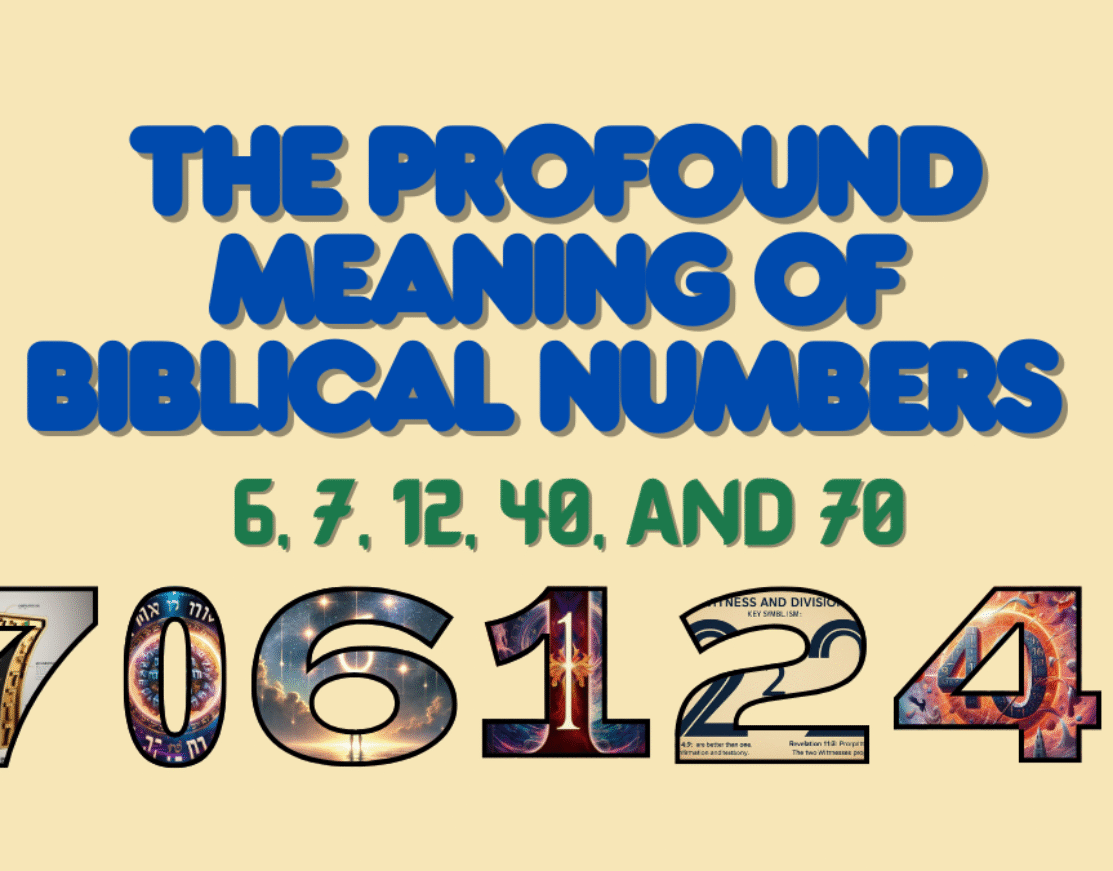
  • The Profound Meaning of Biblical Numbers: 6, 7, 12, 40, and 70

    The Profound Meaning of Biblical Numbers: 6, 7, 12, 40, and 70

    The Profound Meaning of Biblical Numbers: 6, 7, 12, 40, and 70

    Biblical numerology is a fascinating key to understanding divine messages hidden within Scripture. Numbers in the Bible are not random; they hold spiritual significance and symbolize God’s perfect order, judgment, and prophetic revelations.

    Let’s decode some of the most powerful numbers in biblical numerology and their impact on faith, life, and eternity.

    https://youtu.be/jTkhD8Mp3oU?si=nsuQb2WM7IopLDwS

    The Number 6: The Number of Man and Imperfection

    The number 6 in the Bible is often associated with humanity, imperfection, and incompleteness. It falls just short of 7, the number of divine perfection.

    • The man was created on the sixth day (Genesis 1:26-31), signifying his earthly existence.
    • The number 666 is the mark of the beast (Revelation 13:18), representing ultimate rebellion against God.
    • The six days of creation emphasize work and labor, followed by the seventh day of rest.

    Thus, 6 symbolizes human effort without God, imperfection, and worldly toil—a number that reminds us of our need for divine grace.

    The Number 7: Divine Perfection and Completion

    The number 7 is the most sacred in the Bible, symbolizing spiritual perfection, completion, and divine rest.

    • God created the world in six days and rested on the seventh (Genesis 2:2-3), marking completion.
    • Seven churches, seven seals, seven trumpets, and seven bowls appear in Revelation, representing divine judgment and fulfillment.
    • The menorah in the Tabernacle had seven lamps (Exodus 25:37), signifying divine light.
    • Jesus told Peter to forgive 70 times 7 (Matthew 18:22), showing the completeness of mercy.

    7 is God’s seal of divine wholeness—a reminder that true fulfillment is only found in Him.

    The Number 12: Authority and God’s Government

    The number 12 in the Bible represents divine authority, governance, and God’s chosen people.

    • There were 12 tribes of Israel (Genesis 49), forming God’s covenant nation.
    • Jesus chose 12 apostles (Matthew 10:1-4) to spread the Gospel.
    • The New Jerusalem has 12 foundations, 12 gates, and 12 angels (Revelation 21:12-14), reflecting eternal divine order.

    Twelve represents God’s kingdom structure, ensuring spiritual leadership and divine government.

    The Number 40: Testing, Trials, and Transformation

    The number 40 is significant in the Bible as a period of testing, preparation, and spiritual transformation.

    • The Great Flood lasted 40 days and nights (Genesis 7:12), marking purification.
    • Moses spent 40 days on Mount Sinai receiving the Law (Exodus 24:18).
    • The Israelites wandered for 40 years (Numbers 14:33) due to their disobedience.
    • Jesus fasted 40 days in the wilderness (Matthew 4:2), preparing for His ministry.

    Whenever 40 appears, it signifies a divine trial or a period of renewal leading to greater spiritual strength.

    The Number 70: Divine Judgment and Completion of a Cycle

    The number 70 symbolizes a completed cycle, divine judgment, and restoration.

    • There were 70 nations after the Tower of Babel (Genesis 10), symbolizing humanity’s division.
    • The Israelites were exiled in Babylon for 70 years (Jeremiah 25:11-12), fulfilling prophecy.
    • Jesus sent out 70 disciples (Luke 10:1) to preach the Gospel.
    • Daniel’s 70-week prophecy (Daniel 9:24-27) foretells the coming of the Messiah and the end of sin.

    Seventy represents the fullness of God’s timeline, marking divine cycles of judgment, redemption, and completion.


    Final Thoughts: God’s Divine Order Through Numbers

    From the imperfection of 6 to the divine perfection of 7, from the governmental authority of 12 to the testing of 40, and the completeness of 70—biblical numbers reveal God’s perfect plan for humanity.

    These numbers serve as a reminder that God is in control, orchestrating events according to His divine wisdom. When we understand these patterns, we gain deeper insights into faith, prophecy, and our spiritual journey.

    https://divinetruthofnumbers.com/divine-truth-of-numbers-according-to-the-bible/2025/

    https://divinetruthofnumbers.com/divine-numerological-truths-unlocking-the-secrets-of-biblical-numbers-part-2-from-number-6-onward/2025/

    https://youtu.be/jTkhD8Mp3oU?si=nsuQb2WM7IopLDwS

  • Divine Numerological Truths: Unlocking the Secrets of Biblical Numbers, (Part 2 – From Number 6 Onward) NO. 6 To 20

    Divine Numerological Truths: Unlocking the Secrets of Biblical Numbers, (Part 2 – From Number 6 Onward) NO. 6 To 20

    Divine Numerological Truths: Unlocking the Secrets of Biblical Numbers (Part 2 – From Number 6 Onward) NO. 6 To 20

    Numbers in the Bible are far more than mere figures; they hold divine significance, deep spiritual meanings, and hidden messages from God. Biblical numerology reveals how numbers are intricately woven into scripture, guiding us toward understanding divine truths and universal eternity.

    In Part 1, we explored the profound meanings of Numbers 1 to 5, uncovering their spiritual symbolism and how they shape biblical prophecy, divine order, and creation. Now, in Part 2, we continue our journey from Number 6 onward, delving deeper into the sacred patterns and messages embedded within scripture.

    What does the number 6 represent in biblical numerology? Why is 7 often considered the number of divine perfection? How do numbers like 12, 40, and 70 hold prophetic significance? Join us as we decode these numerical mysteries and discover their impact on faith, life, and eternity.

    Let’s dive in!

    Biblical Numerology: Understanding the Significance of Numbers in Scripture, NO. 6 To 20

    Numbers in the Bible often carry deep symbolic meanings that reveal divine truths and God’s plan for humanity. Below is an exploration of significant biblical numbers and their spiritual implications.

    6 – The Number of Man & Imperfection

    The number 6 represents humanity, labor, and imperfection. The man was created on the sixth day (Genesis 1:26-31), and humans are commanded to work for six days before resting on the seventh. In Revelation, 666 is the number of the Beast, symbolizing man’s sinful nature and rebellion against God (Revelation 13:18). It also represents incomplete efforts apart from divine perfection.

    7 – The Number of Completion & Perfection

    Seven signifies spiritual completion and divine perfection. God created the world in six days and rested on the seventh (Genesis 2:2-3), establishing the Sabbath as a holy day. The Bible frequently emphasizes seven, such as the seven churches, seven seals, seven trumpets, and seven spirits of God in Revelation. It represents God’s fullness and covenant with humanity.

    8 – The Number of New Beginnings and Resurrection

    The number 8 symbolizes new beginnings, regeneration, and resurrection. Since God’s creation was completed in seven days, the eighth day represents the start of a new cycle. Jesus was resurrected on the first day of a new week, the eighth day, signifying renewal and eternal hope (Luke 24:1).

    9 – The Number of Fruitfulness and Divine Completion

    Nine is associated with spiritual fruitfulness and completeness. It symbolizes the fruits of the Holy Spirit as listed in Galatians 5:22-23—love, joy, peace, patience, kindness, goodness, faithfulness, gentleness, and self-control. It reflects God’s perfect work in transforming a believer’s life.

    10 – The Number of Law, Order, and Responsibility

    The number 10 represents God’s law and human responsibility. The Ten Commandments (Exodus 20) serve as the foundation for moral and spiritual law. The number also signifies completeness in God’s order, as seen in tithing—a tenth given back to God as an act of obedience and worship (Leviticus 27:30).

    11 – The Number of Transition and Disorder

    The number 11 often symbolizes transition, incompleteness, and disorder. It represents a period of waiting or imbalance before divine fulfillment. The disciples were 11 in number after Judas’ betrayal until God completed their group with the addition of Matthias (Acts 1:26).

    12 – The Number of God’s Government and Divine Authority

    Twelve signifies God’s governance, authority, and divine order. It is seen in the 12 tribes of Israel, the 12 apostles of Jesus, and the 12 gates of the New Jerusalem (Revelation 21:12). It symbolizes God’s perfect plan for His people and His eternal kingdom.

    Divine Numerological Truths According to the Bible

    13 – The Number of Rebellion & Apostasy

    Thirteen is often linked to rebellion, sin, and lawlessness. In Genesis 14:4, kings rebelled in the 13th year. Nimrod, the first known tyrant, is associated with this number. Judas Iscariot, the disciple who betrayed Jesus, is linked to 13, reinforcing its biblical symbolism of betrayal and disorder.

    14 – The Number of Deliverance & Salvation

    Fourteen symbolizes salvation, deliverance, and divine intervention. The genealogy of Jesus in Matthew 1:17 is divided into three sets of 14 generations, reflecting God’s redemption plan. The Passover lamb was sacrificed on the 14th day of Nisan (Exodus 12:6), marking the Israelites’ escape from Egypt.

    15 – The Number of Rest & Mercy

    Fifteen signifies God’s grace, rest, and divine protection. Several Jewish festivals begin on the 15th day of the Hebrew month, such as Passover and the Feast of Tabernacles. In Hebrew, “Yah” (יה), a short form of God’s name, has a numerical value of 15, reflecting divine favor and peace.

    16 – The Number of Love & Covenant

    Sixteen is associated with God’s love, relationships, and promises. In 1 Corinthians 13, which describes love, 16 attributes of love are mentioned. The 16th time Noah’s name appears in the Bible, God establishes a covenant with him (Genesis 6:18).

    17 – The Number of Victory & Resurrection

    Seventeen represents victory over trials and resurrection power. Jesus was resurrected on the 17th of Nisan, symbolizing triumph over death. In Genesis 7:11, the flood began on the 17th, bringing divine judgment but also renewal. Joseph was 17 years old when he was sold into slavery (Genesis 37:2), later leading to his rise in Egypt and the salvation of his family.

    18 – The Number of Life (Chai) & Blessing

    Eighteen is strongly associated with life (Chai – חי) in Hebrew. Many Jewish blessings and prayers are based on multiples of 18, symbolizing prosperity and divine favor. In Luke 13:11-13, Jesus heals a woman crippled for 18 years, reinforcing its meaning of restoration and blessing.

    19 – The Number of Faith & Divine Order

    Nineteen is connected to faith, God’s judgment, and divine alignment. Israel had 19 kings in the Northern Kingdom, most of whom led the nation into sin. Psalm 19 declares, “The heavens declare the glory of God,” emphasizing the role of faith in recognizing God’s creation.

    20 – The Number of Redemption & Expectation

    Twenty represents waiting, redemption, and transformation. In Genesis 31:38-41, Jacob waited 20 years to receive his wives and wealth. The biblical age of redemption was 20 years old (Exodus 30:14), marking maturity and responsibility before God.

    Conclusion

    The numbers in the Bible reveal profound truths about God’s nature, plans, and interaction with humanity. These numbers provide insight into divine order and spiritual significance throughout scripture from creation to redemption.

  • Divine Truth Of Numbers According to the Bible, 0 To 5

    Divine Truth Of Numbers According to the Bible, 0 To 5

    Divine Truth Of Numbers According to the Bible, 0 To 5

    The Bible is filled with numerical patterns that carry deep spiritual significance. Biblical numerology reveals how certain numbers are used symbolically to represent divine truths, prophecy, and spiritual lessons. Numbers in Scripture are not random; they reflect God’s order, power, and purpose in creation, redemption, and prophecy.

    Each number has a unique spiritual meaning, from the number one symbolizing God’s unity and sovereignty, to the number seven representing divine perfection and completion, and the number forty signifying testing and transformation. Other numbers, such as thirteen (rebellion), fourteen (deliverance), seventeen (victory), and fifty (jubilee and freedom), hold prophetic and theological significance in both the Old and New Testaments.

    By understanding Biblical numerology, we can gain a deeper insight into God’s divine plan and how numbers reveal hidden truths in Scripture. Whether in prophetic visions, genealogies, temple measurements, or key historical events, numbers serve as a divine language that unveils God’s mysteries.

    Divine Truth Of Numbers According to the Bible  

    0. Number 0: Eternity and Infinite Nature of God

    Though the number 0 is not directly mentioned in the Bible, it is often seen as a representation of eternity, infinity, and the void that only God can fill. It reminds us of God’s eternal existence and His ability to create something from nothing (Genesis 1:1-2).

    1. Number 1: The Unity of God  

       The number 1 signifies the oneness and supremacy of God. It represents the foundational truth that “The Lord our God is one Lord” (Deuteronomy 6:4). It emphasizes unity, primacy, and the singularity of God as the Creator and Sustainer of all.

    2. Number 2: Witness and Testimony  

       Number 2 symbolizes the concept of agreement and testimony, as stated in Matthew 18:20: “For where two or three gather in my name, there am I with them.” It underscores the importance of partnership and the establishment of truth by the testimony of two witnesses (Deuteronomy 19:15).

    3. Number 3: Divine Completeness and Perfection  

       The number 3 represents divine completeness and the Trinity—Father, Son, and Holy Spirit. It reflects God’s perfect nature, as seen in events like Jesus’ resurrection on the third day (1 Corinthians 15:4) and His triune nature.

    4. Number 4: Creation and Universal Order  

      Number 4 stands for creation and the earthly realm, signifying completeness in the natural world. It corresponds to the four directions—north, south, east, and west—and the four seasons, symbolizing God’s sovereignty over the earth (Revelation 7:1). It also highlights the universality of God’s plan.

    Each number reflects profound truths about God’s divine order, purpose, and eternal wisdom as revealed in the Bible.

    5. Number 5: Grace and Favor

    The number 5 in the Bible is symbolic of God’s grace, goodness, and favor towards humanity. It represents His unmerited love and kindness. This is evident in the five types of offerings outlined in the Old Testament (Leviticus 1–5) and the five-fold ministry given to the church (Ephesians 4:11).

    Additionally, the Tabernacle was designed with measurements and structures based on multiples of 5, signifying God’s grace in His dwelling place among His people (Exodus 26). The number 5 reminds us of God’s abundant mercy and blessings freely given to us.

    https://divinetruthofnumbers.com/about-us

    Biblical Names of God and Their Meanings” 📖✨ | Discover the Divine Names of God | Unlocking the Secrets of Hebrew Names in the Bible (Part 1)

    https://youtu.be/Ub2Std49ffo