Author: Anguri John

  • The 72 Names of God (שֵׁמוֹת): A Divine Code for Transformation

    The 72 Names of God (שֵׁמוֹת): A Divine Code for Transformation

    The 72 Names of God (שֵׁמוֹת): A Divine Code for Transformation

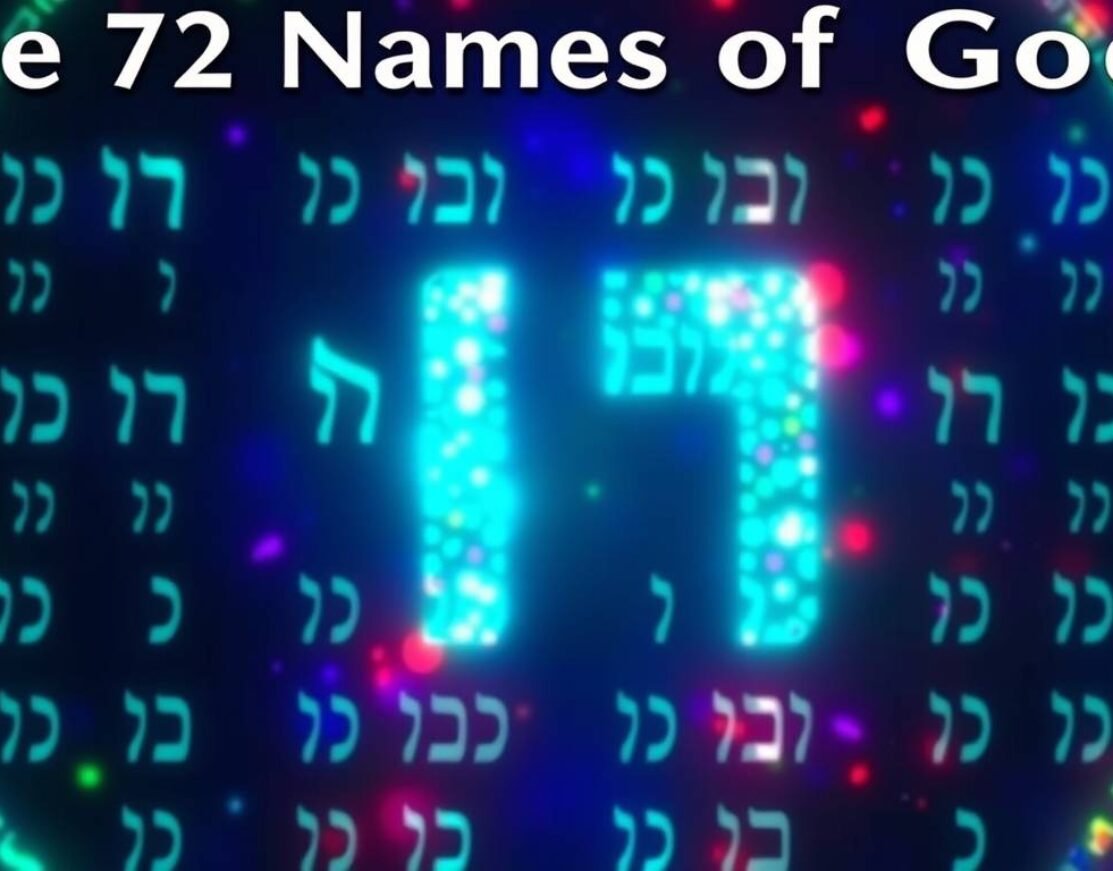
    The 72 Names of God, known in Hebrew as Shem ha-Mephorash (שם המפורש), are not “names” in the traditional sense, but 72 three-letter combinations derived from three verses in Exodus 14:19–21. These sacred combinations represent 72 aspects of divine energy, accessible for spiritual awakening, healing, and transformation.

    Each Name is composed of three Hebrew letters, and each has a unique gematria (numerical value) and energetic resonance. When used in meditation or prayer, these Names act as spiritual keys, unlocking divine qualities within the soul.


    The 72 Names of God (שֵׁמוֹת): A Divine Code for Transformation
    The 72 Names of God (שֵׁמוֹת): A Divine Code for Transformation

    Using the 72 Names: A Tool for Healing and Transformation

    The power of these Names lies not in vocalization but in contemplation, meditation, and inner intention. Visualize the Hebrew letters, align your thoughts, and breathe deeply into the spiritual lesson each Name imparts.

    Here is a selection of Names and their practical, spiritual applications, paired with Hebrew letters and their mystical meanings:


    1. Removing Negative Energy

    Hebrew: וָו הֵא וָו (Vav-Heh-Vav)
    Gematria: 6 + 5 + 6 = 17
    Meaning: Burn away toxic energy, thoughts, or influences from within or around you.


    2. Return to Embryonic State (Soul Rebirth)

    Hebrew: יָי יָי לֵך (Yod-Yod-Lamed)
    Gematria: 10 + 10 + 30 = 50
    Meaning: A meditative return to spiritual innocence and pure potential — like returning to Eden.


    3. Miracle Making

    Hebrew: סָאל (Samekh-Aleph-Lamed)
    Gematria: 60 + 1 + 30 = 91
    Meaning: Activate divine intervention in hopeless situations.


    4. Removing Negative Thoughts

    Hebrew: מֵי הֵי שִׁין (Mem-Heh-Shin)
    Gematria: 40 + 5 + 300 = 345
    Related to: Moses (מֹשֶׁה = 345) — the deliverer of mental and spiritual bondage.


    5. Healing

    Hebrew: רָפָה (Resh-Peh-Heh)
    Gematria: 200 + 80 + 5 = 285
    Meaning: Access divine light for physical and emotional restoration.


    6. Achieving Truth and Clarity in Dreams

    Hebrew: נוּן נוּן חֵת (Nun-Nun-Chet)
    Gematria: 50 + 50 + 8 = 108
    Meaning: Cleanse your dreamscape; receive messages from higher realms.


    7. Align with Your Soul

    Hebrew: עֵין רֵישׁ צָדִי (Ayin-Resh-Tzadi)
    Gematria: 70 + 200 + 90 = 360
    Meaning: Bring divine order by connecting to your soul’s blueprint.


    8. Banishing Evil and Ego

    Hebrew: לָמֶד קוֹף בֵּית (Lamed-Qof-Bet)
    Gematria: 30 + 100 + 2 = 132
    Meaning: Dissolve pride, self-centeredness, and residual evil.


    9. Accessing Angelic Networks

    Hebrew: יָד יָד מֵם (Yod-Yod-Mem)
    Gematria: 10 + 10 + 40 = 60
    Meaning: Tune into divine order and guidance through heavenly realms.


    10. Protection from the Evil Eye & Bad Dreams

    Hebrew: עֵין מֵם נוּן (Ayin-Mem-Nun)
    Gematria: 70 + 40 + 50 = 160
    Meaning: Shield your spirit, especially while sleeping or under attack.


    Highlights of Other Powerful Names and Their Functions

    No.Hebrew LettersGematriaSpiritual Purpose
    11א-ל-ד1+30+4=35Personal transformation; awakening your inner messiah
    12.ל-א-ו30+1+6=37Removal of ego and pride
    13.נ-ת-ה50+400+5=455Courage to speak the truth
    14.ר-ע-א200+70+1=271Cleanse hatred from your heart
    15.ל-כ-ב30+20+2=52Finish what you start; persistence
    16.י-י-ו10+10+6=26Reveal and heal your dark side
    17.ר-י-י200+10+10=220Turn life’s hardships into blessings
    18.ה-א-א5+1+1=7Wellness and spiritual wholeness
    19.מ-ב-ה40+2+5=47Sweeten the judgments against you
    20.ס-א-ל60+1+30=91Prosperity through ego control
    21.נ-א-ל50+1+30=81Invoke Archangel Michael’s loving protection
    22.מ-ח-ב40+8+2=50Overcoming the illusion of death; immortality
    23.י-י-ל10+10+30=50Drawing down divine light for spiritual battles
    24.מ-נ-ק40+50+100=190Eliminate self-pity and revenge
    25.ע-י-ל70+10+30=110Remove blockages to financial success
    26.מ-ו-ם40+6+40=86Spiritual cleansing and improved communication

    The 72 Names of God (שֵׁמוֹת): A Divine Code for Transformation
    The 72 Names of God (שֵׁמוֹת): A Divine Code for Transformation

    The Hebrew letters/ Their gematria (numerical value)

    The spiritual meaning or attribute/ brief reference to their Kabbalistic or Biblical symbolism (mainly derived from Exodus 14:19–21)
    Vav-Heh-Vav (וֹהַו) – Gematria: 17 – Time Travel – Transcend limitations of time and space.
    Yod-Lamed-Yod (יֵלֵי) – Gematria: 50 – Recapturing Lost Sparks – Recover missed opportunities.
    Samekh-Yod-Tet (סִיט) – Gematria: 79 – Miracles – Channel divine intervention.
    Aleph-Lamed-Mem (אֵלֵם) – Gematria: 71 – Removing Hatred – Diffuse anger and conflict.
    Mem-Heh-Shin (מַהַשׁ) – Gematria: 345 – Healing – Promote physical and emotional wellness.
    Lamed-Heh-Chet (לַהַח) – Gematria: 43 – Removing Ego – Attain humility and inner peace.
    Ayin-Qof-Bet (עַקֵב) – Gematria: 172 – Great Escape – Break free from addiction or oppression.
    Kaf-Tet-Resh (כַּטַר) – Gematria: 229 – Defusing Anger – Control inner rage and resentment.
    Tet-Zayin-Ayin (טַזַע) – Gematria: 177 – Angel Influence – Attract divine protection.
    Yod-Yod-Yod (יְיְי) – Gematria: 30 – Unity with the Light – Connect to the Divine source.
    Lamed-Alef-Vav (לָאו) – Gematria: 37 – Erasing Karma – Cleanse negative influences from past actions.
    He-He-Ayin (הֵהַע) – Gematria: 80 – Unconditional Love – Love without expectation or judgment.
    Yod-Zayin-Yod (יָזָי) – Gematria: 27 – Heaven on Earth – Align the spiritual with the material.
    Mem-Yod-Heh (מִיָה) – Gematria: 55 – Long-Range Vision – Perceive future consequences of present actions.
    He-Reish-Yod (הֲרִי) – Gematria: 215 – Eliminating Judgment – Remove harshness and criticism.
    Kaf-Aleph-Lamed (כַּאֵל) – Gematria: 51 – Appreciation – Recognize and embrace divine blessings.
    Yod-Resh-Heh (יָרֵה) – Gematria: 215 – Great Expectations – Set powerful intentions.
    Lamed-Heh-Yod (לֵהִי) – Gematria: 45 – Letting Go – Release emotional attachments and pain.
    Kaf-Kuf-Resh (כַּקַר) – Gematria: 310 – Speaking the Right Words – Power of truth in speech.
    Resh-Heh-Ayin (רֵהַע) – Gematria: 275 – Removing the Curse – Free from negative spiritual energy.
    Yod-Yod-Ayin (יִיָע) – Gematria: 90 – Removing Plagues – Overcome illness, both physical and spiritual.
    Mem-Lamed-Heh (מַלֵה) – Gematria: 75 – Restoring Order – Bring balance into chaos.
    Chaf-Heh-Tav (כֵהַת) – Gematria: 425 – Overcoming Fear – Courage in face of the unknown.
    Heh-Resh-Chet (הַרַח) – Gematria: 213 – Self-Esteem – Confidence through divine connection.
    Nuun-Yod-Tav (נִיֵת) – Gematria: 460 – Speaking Your Truth – Express divine wisdom with honesty.
    Yod-Ayin-Ayin (יָעַע) – Gematria: 150 – Spiritual Cleansing – Purify mind and heart.
    Reish-Yod-Yod (רִיְי) – Gematria: 230 – Silent Strength – Influence without force.
    Samekh-Kaf-Resh (סַכַר) – Gematria: 320 – Ending Addiction – Break destructive patterns.
    Kuf-Aleph-Aleph (קָאַא) – Gematria: 102 – Healing Relationships – Restore broken connections.
    Yod-Lamed-Kuf (יָלַק) – Gematria: 130 – Removing Obstacles – Clear your spiritual path.
    Vav-Vav-Lamed (וּוּל) – Gematria: 42 – Revealing Secrets – Access hidden truths and mysteries.
    Yod-Yod-Zayin (יְיָז) – Gematria: 27 – Victory Over Temptation – Resist what leads to downfall.
    Mem-Vav-Mem (מוּמ) – Gematria: 86 – Purifying Intentions – Cleanse motives and inner desires.
    Lamed-Lamed-Heh (לַלֵה) – Gematria: 65 – Removing Guilt – Forgive yourself completely.
    Aleph-Lamed-Dalet (אֵלַד) – Gematria: 35 – Protection from Evil Eye – Divine shield of safety.
    Mem-Nun-Dalet (מָנַד) – Gematria: 94 – Responsibility – Empower your actions with purpose.
    Aleph-Heh-Aleph (אֲהַא) – Gematria: 6 – Global Unity – Heal division and promote peace.
    Chaf-Heh-Shin (כָהַשׁ) – Gematria: 325 – Revealing Hidden Agendas – Truth over manipulation.
    Resh-Yod-Heh (רִיֵה) – Gematria: 215 – Illumination – See the spiritual light in darkness.
    Yod-Aleph-Yod (יָאִי) – Gematria: 21 – Patience – Trust divine timing.
    Nun-Yod-Tav (נִיֵת) – Gematria: 460 – Discernment – Recognize truth from illusion.
    Mem-Chet-Yod (מֵחִי) – Gematria: 58 – Letting Go of Pain – Heal from trauma.
    Vav-Heh-Resh (וְהַר) – Gematria: 211 – Balance & Peace – Inner harmony.
    Yod-Yod-Yod (יְיְי) – Gematria: 30 – Seeing Through Illusions – Divine clarity.
    Samekh-Kaf-Yod (סַכִי) – Gematria: 90 – Confidence in Faith – Trust divine providence.
    Aleph-Heh-Lamed (אֵהַל) – Gematria: 36 – Awakening Love – Open the heart to divine compassion.
    Nun-Yod-Nun (נִיְנ) – Gematria: 120 – Strength in Adversity – Unshakeable faith.
    Chaf-Resh-Vav (כָרו) – Gematria: 226 – Stability – Anchor in divine truth.
    Aleph-Vav-Mem (אוּם) – Gematria: 47 – Silencing Negativity – Block toxic energy.
    Nun-Tav-Heh (נָתֵה) – Gematria: 455 – Leadership – Divine influence over others.
    Yod-Resh-Tet (יָרַט) – Gematria: 219 – Justice – Stand for truth and fairness.
    Heh-Resh-Heh (הֲרֵה) – Gematria: 210 – Emotional Healing – Heal wounds of the soul.
    Mem-Resh-Chet (מֵרַח) – Gematria: 248 – Truth Revealed – Divine justice and insight.
    Kaf-Heh-Vav (כֵהוּ) – Gematria: 111 – Restoring Dignity – Reclaim divine worth.
    Nun-Lamed-Kaf (נַלַך) – Gematria: 120 – Blessing the Soul – Nourish spiritual essence.
    Heh-Mem-Mem (הַמֵם) – Gematria: 85 – Rewriting Destiny – Shift karmic paths.
    Mem-Yod-Mem (מִיֵם) – Gematria: 90 – Connection to Higher Self – Unity with the soul.
    Nun-Chet-Heh (נַחֵה) – Gematria: 63 – Finding Purpose – Discover divine mission.
    Heh-Tav-Resh (הַתַר) – Gematria: 605 – End of Struggle – Rest from battle.
    Ayin-Ayin-Resh (עַעַר) – Gematria: 370 – Removing Confusion – Divine focus.
    Shin-Aleph-Lamed (שַאֵל) – Gematria: 331 – Spiritual Abundance – Wealth of insight and joy.
    Mem-Chet-Resh (מֵחַר) – Gematria: 248 – Compassion – Overflowing love and kindness.
    Kaf-Heh-Yod (כֵהִי) – Gematria: 45 – Embracing Change – Let go of fear.
    Heh-Heh-Heh (הֵהֵה) – Gematria: 15 – Holy Laughter – Joy in the divine.
    Vav-Kuf-Resh (וְקַר) – Gematria: 306 – Understanding Others – Spiritual empathy.
    Lamed-Kuf-Resh (לַקַר) – Gematria: 330 – Positive Expression – Creative communication.
    Nun-Yod-Kaf (נִיֵכ) – Gematria: 100 – Removing Doubt – Absolute faith.
    Yod-Mem-Yod (יָמִי) – Gematria: 60 – Harmony with Creation – Oneness with all things.
    Lamed-Mem-Chet (לַמַח) – Gematria: 78 – Channeling Divine Light – Become a vessel for good.
    Samekh-Kaf-Heh (סַכֵה) – Gematria: 105 – Divine Shelter – Protected by grace.
    Heh-Heh-Ayin (הַהַע) – Gematria: 80 – Rekindling Hope – Light after darkness.
    Mem-Vav-Mem (מוּם) – Gematria: 86 – Completion – Spiritual wholeness.

    What is the Source of These Names?

    The 72 Names of God originate from the Book of Exodus 14:19–21, where each verse contains exactly 72 Hebrew letters. When these are arranged in a triad (first verse forward, second verse reversed, third verse forward), we receive 72 unique 3-letter combinations — forming a divine matrix of coded spiritual power.


    How to Meditate with the Names?

    1. Choose a Name based on your spiritual or emotional need.
    2. Visualize the three Hebrew letters in white light or gold flame.
    3. Breathe slowly and meditate on the meaning or affirmation.
    4. Speak a silent intention (kavanah), such as:
      “May this holy Name remove all fear and restore divine clarity.”
    5. Sit in silence and let the spiritual frequency take effect.

    Conclusion: A Living Bridge to the Divine

    The 72 Names of God are not magical formulas — they are a bridge between the physical and spiritual, heaven and earth, creator and creation. Through Hebrew letters, sacred gematria, and heart-centered meditation, we access divine intelligence for healing, clarity, love, and transformation.

    https://youtu.be/HQOrTBw83Qo

    https://divinetruthofnumbers.com/Biblical%20Numerology/biblical-histories/kabbalah-jewish-mysticism

  • The 72 Names of God (Shem HaMephorash) are presented with their Hebrew letters, Gematria, spiritual meanings, and Kabbalistic significance, mainly from Exodus 14:19–21

    The 72 Names of God (Shem HaMephorash) are presented with their Hebrew letters, Gematria, spiritual meanings, and Kabbalistic significance, mainly from Exodus 14:19–21. Examples include: 

    1. Vav-Heh-Vav (Time Travel), 
    2. Yod-Lamed-Yod (Recapturing Lost Sparks), 
    3. Samekh-Yod-Tet (Miracles), 
    4. Aleph-Lamed-Mem (Removing Hatred), 
    5. Mem-Heh-Shin (Healing), 
    6. Lamed-Heh-Chet (Removing Ego), 
    7. Ayin-Qof-Bet (Great Escape), 
    8. Kaf-Tet-Resh (Defusing Anger), 
    9. Tet-Zayin-Ayin (Angel Influence), 
    10. Yod-Yod-Yod (Unity with the Light/Seeing Through Illusions), 
    11. Lamed-Alef-Vav (Erasing Karma), 
    12. He-He-Ayin (Unconditional Love/Rekindling Hope), 
    13. Yod-Zayin-Yod (Heaven on Earth), 
    14. Mem-Yod-Heh (Long-Range Vision), 
    15. He-Reish-Yod (Eliminating Judgment), 
    16. Kaf-Aleph-Lamed (Appreciation), 
    17. Yod-Resh-Heh (Great Expectations), 
    18. Lamed-Heh-Yod (Letting Go), 
    19. Kaf-Kuf-Resh (Speaking the Right Words), 
    20. Resh-Heh-Ayin (Removing the Curse), 
    21. Yod-Yod-Ayin (Removing Plagues), 
    22. Mem-Lamed-Heh (Restoring Order), 
    23. Chaf-Heh-Tav (Overcoming Fear), 
    24. Heh-Resh-Chet (Self-Esteem), 
    25. Nuun-Yod-Tav (Speaking Your Truth/Discernment), 
    26. Yod-Ayin-Ayin (Spiritual Cleansing), 
    27. Reish-Yod-Yod (Silent Strength), 
    28. Samekh-Kaf-Resh (Ending Addiction), 
    29. Kuf-Alef-Alef (Healing Relationships), 
    30. Yod-Lamed-Kuf (Removing Obstacles), 
    31. Vav-Vav-Lamed (Revealing Secrets), 
    32. Yod-Yod-Zayin (Victory Over Temptation), 
    33. Mem-Vav-Mem (Purifying Intentions/Completion), 
    34. Lamed-Lamed-Heh (Removing Guilt), 
    35. Aleph-Lamed-Dalet (Protection from Evil Eye), 
    36. Mem-Nun-Dalet (Responsibility), 
    37. Aleph-Heh-Aleph (Global Unity), 
    38. Chaf-Heh-Shin (Revealing Hidden Agendas), 
    39. Resh-Yod-Heh (Illumination), 
    40. Yod-Aleph-Yod (Patience), 
    41. Mem-Chet-Yod (Letting Go of Pain), 
    42. Vav-Heh-Resh (Balance & Peace), 
    43. Samekh-Kaf-Yod (Confidence in Faith), 
    44. Aleph-Heh-Lamed (Awakening Love), 
    45. Nun-Yod-Nun (Strength in Adversity), 
    46. Chaf-Resh-Vav (Stability), 
    47. Aleph-Vav-Mem (Silencing Negativity), 
    48. Nun-Tav-Heh (Leadership), 
    49. Yod-Resh-Tet (Justice), 
    50. Heh-Resh-Heh (Emotional Healing), 
    51. Mem-Resh-Chet (Truth Revealed/Compassion), 
    52. Kaf-Heh-Vav (Restoring Dignity), 
    53. Nun-Lamed-Kaf (Blessing the Soul), 
    54. Heh-Mem-Mem (Rewriting Destiny), 
    55. Mem-Yod-Mem (Connection to Higher Self), 
    56. Nun-Chet-Heh (Finding Purpose), 
    57. Heh-Tav-Resh (End of Struggle), 
    58. Ayin-Ayin-Resh (Removing Confusion), 
    59. Shin-Aleph-Lamed (Spiritual Abundance), 
    60. Kaf-Heh-Yod (Embracing Change), 
    61. Heh-Heh-Heh (Holy Laughter), 
    62. Vav-Kuf-Resh (Understanding Others), 
    63. Lamed-Kuf-Resh (Positive Expression), 
    64. Nun-Yod-Kaf (Removing Doubt), 
    65. Yod-Mem-Yod (Harmony with Creation), 
    66. Lamed-Mem-Chet (Channeling Divine Light), 
    67. Samekh-Kaf-Heh (Divine Shelter).
    68. Heh-Heh-Ayin (הַהַע) – Gematria: 80 – Rekindling Hope – Light after darkness.
    69. Mem-Vav-Mem (מוּם) – Gematria: 86 – Completion – Spiritual wholeness.

    “Elohim”, 

    “Shekhina”, 

    “El Shaddai” (Shaddai is the name found on the mezuzah scroll) or even “HaShem” (lit. “The Name”), 

    Tzur Israel “Rock of Israel”” 

    Ehyeh asher Ehyeh “I Am That I Am” 

    El Olam “Everlasting God” 

    El Hai “Living God” 

    El Ro’i “God of Seeing” 

    Boreh “the Creator” 

    Avinu Malkeinu “Our Father, our King” 

    Abir “Strong One” 

    Elohei Avraham, 

    Elohei Yitzchak ve Elohei,Yaaqov “God of Abraham, God of Isaac, God of Jacob” 

    El ha-Gibbor “God the Strong one” 

    Emet “Truth” E’in Sof “Endless, Infinite”, 

    Kabbalistic name of God Divine Hebrew Names Substitute Name Translation

    Ro’eh Yisrael “Shepherd of Israel”

    Ha-Kaddosh, Baruch Hu “The Holy One, Blessed be He” 

    Kaddosh Israel “Holy One of Israel” 

    Melech ha-Melachim “The King of Kings” 

    Magen Avraham “Shield of Abraham” 

    YHWH-Yireh (Yahweh-Yireh) “The Lord will provide” (Genesis 22:13, 14) 

    YHWH-Rapha “The Lord that healeth” (Exodus 15:26) 

    YHWH-Niss”i (Yahweh-Nissi) “The Lord our Banner” (Exodus 17:8-15) YHWH-Shalom “The Lord our Peace” (Judges 6:24) 

    YHWH-Ra-ah “The Lord my Shepherd” (Psalms 23:1) 

    YHWH-Tsidkenu “The Lord our Righteousness” (Jeremiah 23:6) YHWH-Shammah “The Lord is present” (Ezekiel 48:35)


    List of Hebrew Names of God with Meanings

    1. Elohim – God (a general term, also used in creation)
    2. Shekhina – Divine Presence
    3. El Shaddai – God Almighty (Appears on the mezuzah scroll)
    4. HaShem – “The Name” (Used commonly in Jewish tradition to avoid pronouncing YHWH)

    1. Tzur IsraelRock of Israel
    2. Ehyeh Asher EhyehI Am That I Am (Exodus 3:14)
    3. El `ElyonMost High God
    4. El `OlamEverlasting God
    5. El HaiLiving God
    6. El Ro’iGod of Seeing [Genesis 16:13)
    7. BorehThe Creator
    8. Avinu MalkeinuOur Father, Our King
    9. AbirStrong One
    10. Elohei Avraham, Elohei Yitzchak ve Elohei Ya`aqovGod of Abraham, God of Isaac, and God of Jacob
    11. El ha-GibborGod the Strong One
    12. EmetTruth
    13. E’in SofEndless / Infinite
      (Used in Kabbalistic thought to describe the infinite nature of God)

    1. Ro’eh YisraelShepherd of Israel
    2. Ha-Kaddosh, Baruch HuThe Holy One, Blessed be He
    3. Kaddosh IsraelHoly One of Israel
    4. Melech ha-MelachimThe King of Kings
    5. Magen AvrahamShield of Abraham

    1. YHWH-Yireh (Yahweh-Yireh)The Lord Will Provide
      (Genesis 22:13–14)
    2. YHWH-Rapha (Yahweh-Rapha)The Lord Who Heals
      (Exodus 15:26)
    3. YHWH-Nissi (Yahweh-Nissi)The Lord Our Banner
      (Exodus 17:8–15)
    4. YHWH-ShalomThe Lord Is Peace  (Judges 6:24)
    5. YHWH-Ra’ah (Yahweh-Raah)The Lord My Shepherd (Psalms 23:1)
    6. YHWH-TsidkenuThe Lord Our Righteousness (Jeremiah 23:6)
    7. YHWH-ShammahThe Lord Is There / Present  (Ezekiel 48:35)
  • Anatomy: Understanding the Structure of the Human Body And Hebrew Alphabet

    Anatomy: Understanding the Structure of the Human Body And Hebrew Alphabet

    Anatomy: Understanding the Structure of the Human Body And Hebrew Alphabet

    1. Human Part

    This is a general term. It could refer to anything related to the human being: body parts, organs, psychological traits, or even social roles.

    • Examples:
      • Physical: Hand, brain, liver, heart
      • Mental/Emotional: Thoughts, memory, emotions
      • Social: Parent, worker, citizen

    2. Body Part

    This refers specifically to the physical parts of a human (or animal) body.

    • Main Categories:
      • Head: Skull, brain, eyes, ears, nose, mouth, jaw
      • Torso: Chest, abdomen, ribs, spine
      • Limbs: Arms (shoulder, elbow, wrist, hand, fingers), Legs (hip, knee, ankle, foot, toes)
      • Internal Organs: Heart, lungs, liver, stomach, intestines, kidneys
      • External Features: Skin, hair, nails, genitals

    3. Anatomy

    “Anatomy” is the study of the body’s structure, including how body parts are organised and relate to each other.

    • Types of Anatomy:
      • Gross anatomy: Study of body parts visible to the naked eye (muscles, bones, organs)
      • Microscopic anatomy: Study of cells and tissues (using a microscope)
      • Systemic anatomy: Studying the body by systems (e.g., digestive system, nervous system)
      • Regional anatomy: Studying body areas (e.g., chest, arm, leg)
    • Major Systems in Human Anatomy:
      • Skeletal System
      • Muscular System
      • Nervous System
      • Circulatory System
      • Respiratory System
      • Digestive System
      • Urinary System
      • Reproductive System
      • Endocrine System
      • Lymphatic System
      • Integumentary System (skin, hair, nails)

    Anatomy: Understanding the Structure of the Human Body

    Anatomy is the scientific study of the structure of living organisms. In humans, it focuses on how the body is built—how organs, bones, muscles, and systems are organised and how they relate to each other.


    🔍 Types of Anatomy

    1. Gross Anatomy (Macroscopic Anatomy)
      • Study the body structures visible to the naked eye.
      • Examples: Muscles, bones, heart, lungs.
      • Often involves dissection.
    2. Microscopic Anatomy
      • Requires a microscope to study structures.
      • Focuses on cells (cytology) and tissues (histology).
    3. Systemic Anatomy
      • Studies the body by systems.
      • Example: Learning about the nervous system as a whole.
    4. Regional Anatomy
      • Studies specific areas of the body.
      • Example: Examining everything in the chest region (heart, lungs, ribs, etc.).

    🧠 Major Systems in Human Anatomy

    SystemFunction
    Skeletal SystemProvides structure, protects organs, and enables movement with muscles
    Muscular SystemAllows body movement, maintains posture, and produces heat
    Nervous SystemControls body responses, sends signals (brain, spinal cord, nerves)
    Circulatory SystemTransports blood, oxygen, nutrients, and removes waste (heart, blood vessels)
    Respiratory SystemBrings in oxygen, removes carbon dioxide (lungs, trachea, diaphragm)
    Digestive SystemBreaks down food for energy (stomach, intestines, liver)
    Urinary SystemRemoves waste and controls fluid balance (kidneys, bladder)
    Reproductive SystemEnables reproduction (testes, ovaries, uterus)
    Endocrine SystemRegulates hormones (thyroid, adrenal glands, pancreas)
    Lymphatic SystemProtects against infection, returns fluids to the bloodstream (lymph nodes)
    Integumentary SystemProtects the body (skin, hair, nails), regulates temperature, and senses touch

    🧍‍♂️ Why Anatomy Matters

    • Helps doctors diagnose and treat illness
    • Supports understanding of how the body heals and grows
    • Foundation for health, fitness, and biology
    • Deepens appreciation for the complexity of human design

    Hebrew Alphabet

    Hebrew has 22 letters. It’s written and read from right to left. Each letter has a name, a sound, and a numerical value. Some letters have a different form when they appear at the end of a word (called “final forms”).

    LetterNameSoundFinal Form (if any)
    אAlefAnatomy: Understanding the Structure of the Human BodySilent or glottal stop
    בBetB (or V, without dot)
    גGimelG
    דDaletD
    הHeH
    וVavV (or W), also used as “O” or “U” vowel
    זZayinZ
    חChetKH (like German “Bach”)
    טTetT
    יYodY
    כKafK (or KH, without dot)ך (Final Kaf)
    לLamedL
    מMemMם (Final Mem)
    נNunNן (Final Nun)
    סSamekhS
    עAyinSilent or guttural stop
    פPeP (or F, without dot)ף (Final Pe)
    צTsadiTSץ (Final Tsadi)
    קQofK (deeper sound)
    רReshR (rolled or guttural)
    שShinSH (or S, depending on the dot)
    תTavT (sometimes TH)

    Biblical Numerology and Hebrew Numerical Values

    Biblical numerology is the study of numbers in the Bible, where numbers aren’t just quantities—they often symbolise spiritual truths, divine order, or prophetic meaning. In the Hebrew tradition, numbers carry deeper significance because the Hebrew language uses letters as numbers. This system is called gematria.

    Understanding biblical numerology means seeing the Bible not just as a text, but as a structured message with patterns, codes, and layers.


    Hebrew Alphabet and Numbers (Gematria)

    In ancient Hebrew, letters double as numbers. The alphabet doesn’t just form words—it also forms sums. Here are the basics:

    Hebrew LetterNameValue
    אAleph1
    בBet2
    גGimel3
    דDalet4
    הHe5
    וVav6
    זZayin7
    חChet8
    טTet9
    יYod10
    כKaf20
    לLamed30
    מMem40
    נNun50
    סSamekh60
    עAyin70
    פPe80
    צTsadi90
    קQof100
    רResh200
    שShin300
    תTav400

    This numerical system allows words and names to be given numerical values. When two words share a value, they’re believed to be spiritually or conceptually connected.


    Key Biblical Numbers and Their Meanings

    1 – Unity

    Represents the oneness of God. “Hear, O Israel: The Lord our God, the Lord is one” (Deut. 6:4).

    2 – Division or Witness

    Two tablets of the Law. Also, “By the mouth of two or three witnesses…” (Deut. 19:15).

    3 – Completeness

    The Trinity. Many things happen in threes—Jesus rose on the third day.

    4 – Creation / Earth

    Four directions (N, S, E, W), four seasons, four corners of the earth.

    5 – Grace

    Often associated with God’s goodness. The Hebrew word “HaShem” (The Name) has a value of 5.

    6 – Man

    Man was created on the 6th day. It’s seen as the number of humanity or imperfection.

    7 – Perfection or Completion

    Used more than 700 times. God rested on the 7th day. The number of divine completeness.

    8 – New Beginnings

    The 8th day marks a new cycle. Circumcision occurs on the 8th day. Resurrection and renewal.

    9 – Judgment / Finality

    Christ died at the 9th hour. Represents the end of a cycle.

    10 – Law / Order

    Ten Commandments. Also seen as a measure of completeness in law and responsibility.

    12 – Government / Authority

    12 tribes of Israel, 12 apostles—symbolic of divine structure and leadership.

    40 – Testing / Trial

    40 days of flood, 40 years in the wilderness, Jesus fasted for 40 days.

    70 – Nations / Universality

    Traditionally, 70 nations came from Noah. Symbol of completeness among people groups.


    Examples of Hebrew Gematria in Scripture

    • “Echad” (אחד) means “one” and has a value of 13. It’s the word used in the Shema for God’s unity.
    • “Ahavah” (אהבה) means “love” and equals 13 as well. Unity and love are numerically linked.
    • “Chai” (חי) means “life” and equals 18. That’s why 18 is considered a lucky number in Jewish culture.

    Why It Matters

    Biblical numerology and Hebrew gematria reveal patterns and hidden relationships in scripture. They add depth to interpretation and show that the Bible’s structure isn’t random—it’s intentional. Whether or not one believes every numeric pattern is divinely coded, the system reflects the ancient Jewish understanding that numbers carry weight beyond math—they speak.


    Human Part

    The term “human part” is broad and multifaceted. It captures everything that composes, defines, or expresses a human being. This includes the physical body, mental and emotional processes, and the roles people play in society. It’s a phrase that connects biology, psychology, and sociology under one umbrella.

    1. Physical Components

    These are the tangible, biological structures of a person. They include the body’s systems, organs, and features:

    • Organs: Vital elements like the heart (pumps blood), brain (controls the nervous system), lungs (enable breathing), and liver (filters toxins).
    • Skeletal and muscular structure: The bones give shape and protection, while muscles allow movement.
    • Sensory organs: Eyes, ears, nose, tongue, and skin — they let us see, hear, smell, taste, and feel.
    • Skin, hair, and nails: Protective and expressive features, showing health, age, and sometimes identity.

    2. Mental and Emotional Components

    These refer to internal, often invisible functions that shape personality and experience:

    • Thoughts: The raw material of consciousness — analysis, imagination, planning, and reflection.
    • Memory: Storage and recall of experiences; essential for learning and identity.
    • Emotions: Fear, joy, anger, sadness — responses that guide behaviour and relationships.
    • Consciousness and self-awareness: The uniquely human capacity to reflect on one’s existence and choices.

    3. Social and Relational Components

    These aspects reflect how a person fits into, contributes to, and is shaped by society:

    • Roles: Identities such as parent, worker, citizen, friend. These aren’t biological but are deeply human.
    • Relationships: The web of connections — family, community, society — that influence who we are.
    • Norms and behaviours: Cultural expectations tied to age, gender, profession, and more.

    In short, a “human part” might be as concrete as a hand, as abstract as a belief, or as structured as a societal role.


    Body Part

    The term “body part” is narrower. It refers only to the physical structures of the human body. These are the anatomical components that together make up the human form. We can break them down by region and function.

    1. Head

    • Skull: Protects the brain; gives shape to the face.
    • Brain: The control centre of the body.
    • Eyes: Vision; highly expressive.
    • Ears: Hearing and balance.
    • Nose: Smell plays a role in breathing.
    • Mouth and Jaw: Speaking, eating, and facial expressions.

    2. Torso

    • Chest (Thorax): Houses the heart and lungs, protected by ribs.
    • Abdomen: Contains organs like the stomach, liver, intestines, and kidneys.
    • Spine: The central support structure; protects the spinal cord.

    3. Limbs

    • Arms:
    • Shoulder: Connects the arm to the torso.
    • Elbow: Allows bending.
    • Wrist and Hand: High dexterity; essential for tools and gestures.
    • Fingers: Fine motor control, touch sensitivity.

    Legs:

    • Hip: Connects the leg to the pelvis.
    • Knee: The Main joint for movement.
    • Ankle and Foot: Balance and movement.
    • Toes: Assist with balance.

    4. Internal Organs

    • Heart: Circulates blood.
    • Lungs: Facilitate breathing.
    • Liver and Kidneys: Detoxification and waste removal.
    • Stomach and Intestines: Digestion and nutrient absorption.

    5. External Features

    • Skin: The Body’s largest organ; barrier and sensory interface.
    • Hair: Protection, warmth, and cultural identity.
    • Nails: Protection and fine manipulation.
    • Genitals: Reproductive function and identity.

    https://youtu.be/wMRSoPOYUSI

    https://divinetruthofnumbers.com/38-parables-are-recorded-in-the-gospels/

  • 38 parables are recorded in the Gospels of Matthew, Mark, and Luke.

    38 parables are recorded in the Gospels of Matthew, Mark, and Luke.

    38 parables are recorded in the Gospels of Matthew, Mark, and Luke.

    Jesus gave approximately 38 parables recorded in the Gospels of Matthew, Mark, and Luke. The Gospel of John does not contain parables, but it includes symbolic teachings and metaphors.

    Breakdown of Parables in Each Gospel:

    Matthew: Around 23 parables
    Mark: Around 9 parables
    Luke: Around 28 parables
    John: No parables, only symbolic teachings

    38 parables are recorded in the Gospels of Matthew, Mark, and Luke.
    38 parables are recorded in the Gospels of Matthew, Mark, and Luke.

    Some of the Most Well-Known Parables:

    The Parable of the Sower (Matthew 13:39, Mark 4:39, Luke 8:58)
    The Parable of the Good Samaritan (Luke 10:25-37)
    The Parable of the Prodigal Son (Luke 15:11-32)
    The Parable of the Mustard Seed (Matthew 13:31-32, Mark 4:30-32, Luke 13:18-19)
    The Parable of the Talents (Matthew 25:14-30)
    The Parable of the Ten Virgins (Matthew 25:1-13)

    Each parable carried deep spiritual lessons, often using everyday life examples to illustrate God’s Kingdom, faith, forgiveness, and salvation.


    Parables of Jesus – Complete List with Meanings

    Yes, that’s correct! There are 38 parables recorded across the Synoptic Gospels — Matthew, Mark, and Luke. These parables were used by Jesus as a powerful teaching method to convey spiritual truths, moral lessons, and insights about the Kingdom of God through simple, relatable stories.


    What Is a Parable?

    A parable is a short, fictional story that illustrates a moral or spiritual lesson, often using everyday situations and characters. Jesus frequently used parables to teach deeper truths in a way that engaged listeners but also challenged them to seek understanding.


    Why Did Jesus Use Parables?

    According to Matthew 13:10–17, Jesus used parables to:

    Reveal truths to those who were spiritually receptive

    Conceal truths from those who were hard-hearted

    Fulfill prophecy (Psalm 78:2; Isaiah 6:9–10)


    Distribution of the 38 Parables:

    Gospel of Matthew: Contains about 23 parables

    Gospel of Mark: Contains about 9 parables

    Gospel of Luke: Contains about 28 parables

    38 parables are recorded in the Gospels of Matthew, Mark, and Luke.
    38 parables are recorded in the Gospels of Matthew, Mark, and Luke.

    Many parables appear in more than one Gospel, especially in Matthew and Luke.

    Here’s a breakdown of some key points about the parables:


    Examples of Notable Parables:


    Interesting Facts:

    The Gospel of John does not contain parables in the traditional sense, but it includes symbolic “I AM” statements and allegories (e.g., “I am the Good Shepherd”).

    Some parables are unique to a single Gospel (e.g., The Prodigal Son is found only in Luke).

    All 38 parables given by Jesus, along with their meanings and biblical references:


    1. The Parable of the Sower

    References: Matthew 13:39, Mark 4:39, Luke 8:58
    Meaning: Different types of soil represent different heart conditions when receiving God’s Word. Only those with a receptive heart (good soil) will grow in faith.

    2. The Parable of the Weeds (Tares)

    Reference: Matthew 13:24-30
    Meaning: Good and evil will coexist in the world until the final judgment when God will separate the righteous from the wicked.

    38 parables are recorded in the Gospels of Matthew, Mark, and Luke.
    38 parables are recorded in the Gospels of Matthew, Mark, and Luke.

    3. The Parable of the Mustard Seed

    References: Matthew 13:31-32, Mark 4:30-32, Luke 13:18-19
    Meaning: God’s kingdom starts small but grows into something powerful and unstoppable.

    4. The Parable of the Yeast (Leaven)

    References: Matthew 13:33, Luke 13:20-21
    Meaning: The kingdom of God spreads and influences the world, just as a little yeast affects the entire dough.

    5. The Parable of the Hidden Treasure

    Reference: Matthew 13:44
    Meaning: The kingdom of heaven is so valuable that one should be willing to give up everything to attain it.

    6. The Parable of the Pearl of Great Price

    Reference: Matthew 13:45-46
    Meaning: Salvation is priceless, and true believers recognise its worth and seek it above all else.

    7. The Parable of the Dragnet (Fishing Net)

    Reference: Matthew 13:47-50
    Meaning: At the final judgment, God will separate the righteous from the wicked, just as fishermen separate good fish from bad.

    8. The Parable of the Householder

    Reference: Matthew 13:52
    Meaning: Wise believers understand both old and new teachings of God’s kingdom.

    9. The Parable of the Lost Sheep

    References: Matthew 18:1214, Luke 15:37
    Meaning: God actively seeks and rejoices over every lost sinner who repents.

    10. The Parable of the Unforgiving Servant

    Reference: Matthew 18:23-35
    Meaning: Just as God forgives us, we must also forgive others.

    11. The Parable of the Workers in the Vineyard

    Reference: Matthew 20:1-16
    Meaning: God’s grace is given freely to all, regardless of when they come to faith.

    12. The Parable of the Two Sons

    Reference: Matthew 21:28-32
    Meaning: Obedience to God matters more than mere words or promises.

    13. The Parable of the Wicked Tenants

    References: Matthew 21:33-46, Mark 12:1-12, Luke 20:9-19
    Meaning: The rejection of Jesus by religious leaders was prophesied, and God’s kingdom will be given to those who accept Christ.

    14. The Parable of the Wedding Feast

    Reference: Matthew 22:1-14
    Meaning: Many are invited to God’s kingdom, but only those who accept His call and prepare their hearts will enter.

    15. The Parable of the Ten Virgins

    Reference: Matthew 25:1-13
    Meaning: We must always be spiritually prepared for Jesus’ return.

    16. The Parable of the Talents

    Reference: Matthew 25:14-30
    Meaning: God expects us to use our gifts wisely and productively for His kingdom.

    17. The Parable of the Sheep and Goats

    Reference: Matthew 25:31-46
    Meaning: True believers are known by their actions—caring for others is evidence of genuine faith.

    18. The Parable of the Growing Seed

     Reference: Mark 4:26-29
    Meaning: Spiritual growth happens in God’s timing and is not always visible at first.

    19. The Parable of the Watchful Servants

    References: Mark 13:33-37, Luke 12:35-40
    Meaning: We must be constantly ready for Jesus’ second coming.

    20. The Parable of the Faithful and Wise Servant

    References: Matthew 24:45-51, Luke 12:42-48
    Meaning: Those who are faithful in their responsibilities will be rewarded.

    21. The Parable of the Friend at Midnight

    Reference: Luke 11:58
    Meaning: Persistent prayer is powerful and effective.

    22. The Parable of the Rich Fool

    Reference: Luke 12:16-21
    Meaning: Wealth without God is meaningless, as life is temporary.

    23. The Parable of the Barren Fig Tree

    Reference: Luke 13:69
    Meaning: God gives time for repentance, but judgment will come if there is no spiritual growth.

    24. The Parable of the Great Banquet

    Reference: Luke 14:15-24
    Meaning: Many reject God’s invitation, but He welcomes all who are willing.

    25. The Parable of Counting the Cost

    Reference: Luke 14:28-33
    Meaning: Following Christ requires total commitment.

    26. The Parable of the Lost Coin

    Reference: Luke 15:8-10
    Meaning: Heaven rejoices over every sinner who repents.

    27. The Parable of the Prodigal Son

    Reference: Luke 15:11-24- are unlimited, and He welcomes back every lost sinner.

    28. The Parable of the Dishonest Manager

    Reference: Luke 16:1-13
    Meaning: Be wise in using resources for God’s purposes.

    29. The Parable of the Rich Man and Lazarus

    Reference: Luke 16:19-31
    Meaning: Wealth does not determine eternity—faith in God does.

    30. The Parable of the Persistent Widow

    Reference: Luke 18:1-8
    Meaning: Faithful and persistent prayer is essential.

    31. The Parable of the Pharisee and the Tax Collector

    Reference: Luke 18:9-14
    Meaning: Humility is key to receiving God’s mercy.

    32. The Parable of the Ten Minas

    Reference: Luke 19:11-27
    Meaning: We must use what God has entrusted to us wisely. Faithfulness with little will be rewarded with much.

    33. The Parable of the Servants’ Duty

    References: Luke 17:7–10
    Meaning: Obedience to God is our duty, not something we boast about.

    34. The Parable of the Children in the Marketplace

    References: Matthew 11:16–19; Luke 7:31–35
    Meaning: People criticized both John and Jesus—showing a refusal to be satisfied.

    35. The Parable of the Good Samaritan

    References: Luke 10:25–37
    Meaning: Love your neighbor, even if he is different from you.

    36. The Parable of the Rich Young Ruler

    References: Matthew 19:16–30; Mark 10:17–31; Luke 18:18–30
    Meaning: Attachment to wealth can hinder entrance to the Kingdom.

    37. The Parable of the Unjust Judge and the Widow

    References: Luke 18:1–8
    Meaning: Persistent faith and prayer will be rewarded by a just God.

    38. The Parable of the Vine and the Branches (Metaphorical but parable in nature)

    References: John 15:1–8 (not in Synoptic Gospels, but often counted)
    Meaning: Abiding in Christ is essential for fruitfulness.

    https://en.wikipedia.org/wiki/Parables_of_Jesus

    https://divinetruthofnumbers.com/hidden-meanings-in-bible-parables/

  • What Are the 4 Elements of a Parable? What Are the 5 Principles for Interpreting a Parable? What Is the Most Famous Parable? What Are the 7 Parables in the Bible (in Matthew 13)?

    What Are the 4 Elements of a Parable? What Are the 5 Principles for Interpreting a Parable? What Is the Most Famous Parable? What Are the 7 Parables in the Bible (in Matthew 13)?

    This is a comprehensive breakdown answering each of your questions related to parables in the Bible, organised for clarity and ease of reading. You can use this content for a blog post, Bible study guide, or educational material.

    What Are the 4 Elements of a Parable?
    What Is the Most Famous Parable?
    What Are the 5 Principles for Interpreting a Parable?
    What Is the Main Message of the Parables?
    Parable of Parables: What Does It Mean?

    Types of Parables, List of Parables and Their Meanings (Selected),
    What Are the 40 Parables in the Bible?
    What Are Parables in the Bible?
    Bible Verses About Parables,
    What Are the 7 Parables in the Bible (in Matthew 13)?

    What Are the 4 Elements of a Parable?
    What Is the Most Famous Parable?
    What Are the 5 Principles for Interpreting a Parable?
    What Is the Main Message of the Parables?
    Parable of Parables: What Does It Mean?
    Types of Parables, List of Parables and Their Meanings (Selected),
    What Are the 40 Parables in the Bible?
    What Are Parables in the Bible?
    Bible Verses About Parables,
    What Are the 7 Parables in the Bible (in Matthew 13)?

    What Are the 4 Elements of a Parable? What Are the 5 Principles for Interpreting a Parable? What Is the Most Famous Parable? What Are the 7 Parables in the Bible (in Matthew 13)?
    What Are the 4 Elements of a Parable? What Are the 5 Principles for Interpreting a Parable? What Is the Most Famous Parable? What Are the 7 Parables in the Bible (in Matthew 13)?

    What Are the 4 Elements of a Parable?

    Parables typically consist of four key elements:

    A Simple Story
    A parable uses everyday scenarios or characters—farmers, merchants, servants, etc.—to make the story relatable.

    A Moral or Spiritual Lesson
    Every parable aims to teach a deeper truth, often about God’s kingdom, human nature, or spiritual growth.

    Symbolism
    Characters, objects, and events often represent deeper spiritual realities (e.g., a seed might represent the Word of God).

    A Twist or Challenge
    Parables often contain an unexpected element that challenges the listener’s assumptions and invites deeper reflection.

    What Are the 4 Elements of a Parable? What Are the 5 Principles for Interpreting a Parable? What Is the Most Famous Parable? What Are the 7 Parables in the Bible (in Matthew 13)?
    What Are the 4 Elements of a Parable? What Are the 5 Principles for Interpreting a Parable? What Is the Most Famous Parable? What Are the 7 Parables in the Bible (in Matthew 13)?

    What Is the Most Famous Parable?

    The Parable of the Prodigal Son (Luke 15:11-32) is arguably the most famous in the Bible. It tells the story of a rebellious son who returns home and is welcomed with compassion by his father, symbolising God’s unconditional love and forgiveness.


    What Are the 5 Principles for Interpreting a Parable?

    Understand the Historical and Cultural Context
    Knowing the audience and customs of the time helps clarify the meaning.

    Identify the Main Point
    Parables usually have one central message; avoid over-interpreting every detail.

    Consider the Audience
    Jesus often used parables to confront specific groups, like Pharisees or disciples.

    Look for Symbolism and Spiritual Truths
    Many elements in parables symbolize deeper realities.

    Apply the Message Personally and Spiritually
    Reflect on how the message relates to your life and faith journey.


    What Is the Main Message of the Parables?

    The overarching message of Jesus’ parables is to reveal truths about the Kingdom of God, call for repentance, challenge hypocrisy, and offer a glimpse into God’s mercy, justice, and grace. They often invite listeners to look beyond religion and embrace a relationship with God.


    Parable of Parables: What Does It Mean?

    The Parable of the Sower (Matthew 13:1–23) is often called the “parable of parables” because Jesus uses it to explain the purpose of parables themselves. In this story, Jesus emphasizes the importance of being receptive to God’s Word, comparing different types of hearts to various soils.


    Types of Parables

    Biblical parables fall into several categories:

    Parables of the Kingdom – e.g., Mustard Seed, Leaven

    Parables of Grace and Forgiveness – e.g., Prodigal Son, Lost Sheep

    Parables of Judgment – e.g., Ten Virgins, Wheat and Tares

    Parables on Wealth and Stewardship e.g., Rich Fool, Talents

    Parables on Prayer and Faith – e.g., Persistent Widow, Pharisee and Tax Collector


    List of Parables and Their Meanings (Selected)

    The Good Samaritan – Love beyond boundaries (Luke 10:25–37)

    The Prodigal Son – God’s forgiveness and grace (Luke 15:11–32)

    The Lost Sheep – God seeks the lost (Luke 15:1–7)

    The Sower Receptivity to God’s Word (Matthew 13:1–23)

    The Ten Virgins – Be spiritually prepared (Matthew 25:1–13)

    The Talents – Use your gifts faithfully (Matthew 25:14–30)

    The Wheat and the Tares – Good and evil coexist for now (Matthew 13:24–30)

    The Rich Fool – Don’t trust in wealth (Luke 12:13–21)


    What Are the 40 Parables in the Bible?

    There are around 40 parables attributed to Jesus in the Gospels. These are primarily found in:

    Matthew (e.g., Sower, Ten Virgins, Talents)

    Mark (e.g., Lamp on a Stand, Growing Seed)

    Luke (e.g., Prodigal Son, Rich Man and Lazarus)

    A full list can be compiled in a downloadable resource or blog post upon request.


    What Are Parables in the Bible?

    Parables are short, symbolic stories that Jesus used to teach spiritual truths using relatable, real-life situations. They’re designed to reveal truth to believers and conceal it from those who are not spiritually open (Matthew 13:10-17).


    Bible Verses About Parables

    Here are some key verses about parables:

    Matthew 13:10-11 – “Why do you speak to the people in parables?”

    Luke 8:10 – “To you it has been given to know the secrets of the kingdom of God…”

    Mark 4:33-34 – “With many similar parables, Jesus spoke the word to them…”


    What Are the 7 Parables in the Bible (in Matthew 13)?

    Matthew 13 contains seven parables often called the “Kingdom Parables”:

    The Parable of the Sower

    The Parable of the Weeds (Tares)

    The Parable of the Mustard Seed

    The Parable of the Yeast

    The Parable of the Hidden Treasure

    The Parable of the Pearl of Great Price

    The Parable of the Net

    https://divinetruthofnumbers.com/the-secrets-of-parables-of-bible/

    These all focus on different aspects of the Kingdom of Heaven.

    https://hungryheartscollective.com/2024/11/08/the-greatest-commandments-when-you-are-asked-to-do-something-you-cant-or-can-you/

  • Hidden Meanings in Bible Parables | Unveiling the Secrets of Parables (Part 2)

    Hidden Meanings in Bible Parables | Unveiling the Secrets of Parables (Part 2)

    Hidden Meanings in Bible Parables | Unveiling the Secrets of Parables

    Why did Jesus speak in parables? Were they moral stories, or did they contain deeper truths meant to be uncovered? Many people assume that parables are just easy-to-understand tales meant for teaching simple lessons. However, Jesus Himself explained that parables were designed to reveal divine mysteries to those who sought truth while remaining hidden from those who were not ready to receive it (Matthew 13:1017).

    Parables are more than stories—they are allegories rich in spiritual wisdom, layered with meaning, and often pointing to profound truths about God’s kingdom, human nature, and salvation. To fully grasp their significance, we must go beyond the surface and seek to understand their hidden messages.

    Hidden Meanings in Bible Parables | Unveiling the Secrets of Parables (Part 2)
    Hidden Meanings in Bible Parables | Unveiling the Secrets of Parables (Part 2)

    Delving Deeper: The Power of Hidden Meaning

    Parables are a form of allegory, where characters, objects, and events represent deeper truths. While some parables may seem straightforward, many are misinterpreted because people fail to recognise their symbolic nature and historical context.

    For example, consider the Parable of the Mustard Seed (Matthew 13:3132). Many interpret it as simply teaching that God’s kingdom starts small and grows large. However, a closer look reveals something deeper. Mustard plants, in biblical times, were wild and invasive—they weren’t something a farmer would intentionally plant in a garden. This suggests that the Kingdom of God will grow unexpectedly, even in ways that seem unconventional or disruptive to the world’s system.

    Another misunderstood parable is the Parable of the Ten Virgins (Matthew 25:113). On the surface, it seems like a lesson about preparedness. However, it carries an urgent message about the return of Christ and the importance of spiritual readiness. The “oil” represents the Holy Spirit and a life of faithfulness, while the “closed door” signifies the finality of judgment for those unprepared for Jesus’ second coming.

    The key to unlocking these hidden meanings is understanding historical and cultural contexts, biblical symbolism, and the audience Jesus was addressing.

    Hidden Meanings in Bible Parables | Unveiling the Secrets of Parables (Part 2)
    Hidden Meanings in Bible Parables | Unveiling the Secrets of Parables (Part 2)

    Unpacking the Layers: Popular Parables and Their Secrets

    One of the most well-known parables is the Parable of the Good Samaritan (Luke 10:2537). It is often taught as a lesson on kindness, but there is much more beneath the surface.

    The priest and the Levite represent religious figures who prioritised ritual purity over compassion.
    The Samaritan (viewed as an outcast by Jews) represents Christ, who rescues the wounded (sinners) when religious institutions fail them.
    The innkeeper represents those who continue Jesus’ mission by caring for the wounded, symbolising the role of the Church.

    This parable is not just about helping others—it is a powerful message of God’s grace, showing how Jesus, the rejected one, came to save those in need.

    Other parables, like the Parable of the Prodigal Son (Luke 15:1132), reveal God’s unconditional love and forgiveness, while the Parable of the Sower (Matthew 13:123) teaches how different heart conditions affect spiritual growth. Each parable carries layers of truth that apply to both the time of Jesus and modern believers.

    Hidden Meanings in Bible Parables | Unveiling the Secrets of Parables (Part 2)
    Hidden Meanings in Bible Parables | Unveiling the Secrets of Parables (Part 2)

    Practical Application: The Power of Parables in Our Lives

    Parables are not just ancient stories; they are divine lessons for daily life. By understanding their hidden meanings, we can:

    Strengthen our faith by recognising God’s truths woven into everyday experiences.
    Gain wisdom for handling relationships, money, forgiveness, and personal growth.
    Deepen our understanding of salvation and God’s kingdom through the lens of Jesus’ teachings.

    Jesus often ended His parables by saying, "Whoever has ears, let them hear" (Matthew 13:9)—a reminder that we must actively engage with Scripture and seek spiritual insight.


    Conclusion: Continuing the Journey of Discovery

    Biblical parables are rich with hidden wisdom, revealing deep truths about God, His kingdom, and our spiritual journey. By exploring their symbolism, context, and deeper meaning, we unlock powerful lessons that can transform our faith and daily lives.

    Are you ready to uncover more hidden meanings in Jesus’ teachings? Start by reflecting on the Parable of the Sower (Matthew 13:123)—what kind of “soil” is your heart? How can you apply its lessons to grow in faith?

    Keep exploring, keep seeking, and keep discovering the hidden treasures in God’s Word!

    https://divinetruthofnumbers.com/birthday-number-vs-life-path-number/

    https://optimalhealth24.com/holistic-living-tips

  • Hidden Meanings in Bible Parables |  Unveiling the Secrets of Parables (Part 1)

    Hidden Meanings in Bible Parables |  Unveiling the Secrets of Parables (Part 1)

    Hidden Meanings in Bible Parables: Unveiling the Secrets of Scripture (Part 1)

    Have you ever wondered why Jesus spoke in parables? Were these simple stories meant only for surface-level understanding—or do they hold deeper, hidden meanings?

    Parables are far more than moral tales. In the Bible, they serve as spiritual puzzles—rich in symbolism, culture, and divine wisdom. While many see them as straightforward narratives, their true power lies in what’s hidden just beneath the surface.

    Delving Deeper: The Power of Hidden Meaning

    Parables are a form of allegory—stories layered with symbolic meaning. They were designed to reveal truths to those who were spiritually ready while concealing them from those unwilling to listen.

    Take, for example, the Parable of the Sower. Many interpret it as a farming lesson, but it’s actually a profound commentary on how people receive and respond to spiritual truth. Similarly, the Parable of the Ten Virgins isn’t just about a wedding feast—it’s a warning about readiness and spiritual vigilance.

    Understanding these stories requires us to consider the historical context, the audience Jesus was addressing, and the broader themes of the Kingdom of God.

    Hidden Meanings in Bible Parables |  Unveiling the Secrets of Parables (Part 1)
    Hidden Meanings in Bible Parables |  Unveiling the Secrets of Parables (Part 1)

    Unpacking the Layers: Popular Parables and Their Secrets

    Let’s look at a well-known example: the Parable of the Good Samaritan.

    On the surface, it’s a call to help others in need. But when we dig deeper, we see themes of racial tension, religious hypocrisy, and radical compassion. The Samaritan, viewed by Jews at the time as an outsider, becomes the hero—challenging the listener’s assumptions about who is “good” and who is “worthy” of love.

    These hidden layers make the teachings of Jesus not only timeless but transformational, urging us to challenge societal norms and live with deeper empathy.

    Practical Application: The Power of Parables in Our Lives

    Why do parables matter today?

    Because they’re not just ancient stories—they’re living lessons. Understanding their hidden messages can shift our mindset, guide our moral choices, and inspire us to live with greater purpose.

    When we meditate on parables, we open ourselves to spiritual insight and practical wisdom. Whether it’s learning forgiveness from the Prodigal Son or perseverance from the Persistent Widow, these stories offer timeless truths for modern challenges.

    Hidden Meanings in Bible Parables |  Unveiling the Secrets of Parables (Part 1)
    Hidden Meanings in Bible Parables |  Unveiling the Secrets of Parables (Part 1)

    Make it a habit to pause, reflect, and ask: What is this parable saying to me today?

    Conclusion: Continuing the Journey of Discovery

    The parables of the Bible are more than just stories—they’re invitations to seek, question, and grow. Each one holds a mystery waiting to be uncovered, a lesson that speaks across centuries.

    As you continue your spiritual journey, take time to explore the richness of these divine teachings. Start with one: reflect on the Parable of the Lost Sheep—what does it teach you about compassion, belonging, and the heart of God?

    The deeper you go, the more light you’ll find.

    https://divinetruthofnumbers.com/divine-messages-biblical-character-names/

    https://youtu.be/zVtcLu4dRjo

  • Unveiling Divine Messages in Biblical Character Names: Decoding Hidden Meanings | 50 Biblical Names: Meanings, Symbolism & Spiritual Insights

    Unveiling Divine Messages in Biblical Character Names: Decoding Hidden Meanings | 50 Biblical Names: Meanings, Symbolism & Spiritual Insights

    Unveiling Divine Messages in Biblical Character Names: Decoding Hidden Meanings | 50 Biblical Names: Meanings, Symbolism & Spiritual Insights

    Have you ever wondered why certain biblical characters were given their names? What if the names of biblical figures weren’t just labels, but divinely inspired codes revealing their life purpose, character, and destiny?

    Unveiling the Divine Messages Behind Every Name

    From Abraham to Mary, from Moses to Daniel, names in the Bible carry symbolic weight, prophetic power, and deep spiritual significance. By studying the etymology, cultural background, and Hebrew/Greek origins of these names, we unlock a powerful new way to understand Scripture.

    Decoding the Hidden Meanings of Biblical Character Names

    Why Biblical Names Matter?

    In the ancient world, names weren’t chosen at random. In Hebrew tradition, a name reflected:

    • The character’s role in God’s plan
    • Prophetic meaning or destiny
    • Spiritual qualities
    • Response to historical or divine events

    When we decode these meanings, the Bible becomes more than a historical document—it becomes a living map of divine intention.


    Intriguing Examples of Hidden Meanings

    Let’s dive into a few key biblical names and their astonishing symbolic meanings:

    Abraham – “Father of Many Nations”

    Originally Abram (Exalted Father), God changed his name to Abraham as a covenant sign (Genesis 17:5). His name change marked the birth of a spiritual legacy, connecting Jews, Christians, and Muslims.

    Moses – “Drawn Out”

    Drawn from the Nile River, Moses’ name foreshadows how he would later draw Israel out of Egypt. His name carries the essence of deliverance.

     Isaac – “Laughter”

    Born to elderly parents, his name reflects Sarah’s joy and disbelief (Genesis 21:6). Isaac’s life carries themes of joy, sacrifice, and divine promise.

    Jacob/Israel – “Supplanter” / “One Who Wrestles with God”

    Jacob’s original name referred to his grasping of Esau’s heel. Later, after wrestling with the angel, he is renamed Israel, representing spiritual transformation and divine struggle (Genesis 32:28).

    Unveiling Divine Messages in Biblical Character Names: Decoding Hidden Meanings 
    Unveiling Divine Messages in Biblical Character Names: Decoding Hidden Meanings 

    Mary (Miriam) – “Bitterness” or “Beloved”

    Though complex in etymology, Mary’s name speaks to sorrow and strength, fitting for the mother of Jesus, who witnessed both his birth and crucifixion.

    Jesus (Yeshua) – “God is Salvation”

    The name that changed the world—Yeshua is not just a name, it’s a mission. Every time his name was spoken, it proclaimed redemption.


    A Personal Revelation

    When I first discovered that biblical names weren’t arbitrary, it changed how I read the Bible. Suddenly, every name became a clue, a sacred symbol leading deeper into the text.

    Learning that Elijah means “My God is Yahweh” revealed why his story was filled with fire from heaven and prophetic authority. Understanding that Peter means “rock” helped me grasp why Jesus said, “On this rock I will build my church.”

    It’s like seeing the spiritual blueprint beneath the words.


    Cultural & Linguistic Insights

    Most biblical names are rooted in Hebrew, Aramaic, or Greek, and many follow specific naming conventions:

    • El or Yah in a name usually references God (e.g., Daniel, Ezekiel, Isaiah)
    • ‘Ben’ means son of (e.g., Benjamin = “Son of the Right Hand”)
    • Names are often changed by God during key turning points (Abram → Abraham, Sarai → Sarah, Saul → Paul)
    Unveiling Divine Messages in Biblical Character Names: Decoding Hidden Meanings 
    Unveiling Divine Messages in Biblical Character Names: Decoding Hidden Meanings 

    What Can You Learn From This?

    Your own name may not be in the Bible, but you can still ask:

    • What does my name mean?
    • How does it reflect my identity or calling?
    • Could it carry a spiritual message for my life?

    You might be surprised what you uncover.


    50 Biblical Names: Meanings, Symbolism & Spiritual Insights


    This comprehensive list includes 50 key biblical names, along with their meanings, symbolic interpretations, scriptural references, and cultural context. Perfect for Bible study, personal reflection, or deeper spiritual exploration.

    Conclusion: A Name is Never Just a Name

    In the Bible, names are destiny. They’re messages from God, markers of transformation, and mirrors of divine character.

    So next time you read Scripture, pause at the names. Look deeper. You’re not just reading a name—you’re decoding a divine message.

    https://divinetruthofnumbers.com/birthday-number-vs-life-path-number/

    https://lyrics.optimalhealth.in/khoon-ki-dhara/

  • Birthday Number vs Life Path Number: Decode Your Dual Destiny in Numerology

    Birthday Number vs Life Path Number: Decode Your Dual Destiny in Numerology

    Birthday Number vs Life Path Number: Decode Your Dual Destiny in Numerology

    More Than Just a Birthdate

    Have you ever felt like your birthday carries more meaning than just cake and candles? In the world of numerology, your birthdate is a cosmic blueprint. Two key numbers—your Birthday Number and Life Path Number—hold deep spiritual significance. Each reveals unique truths about who you are and what you’re here to do.

    Let’s explore the difference between these two powerful numbers and how they work together to guide your life’s journey.


    1. What Is Your Birthday Number?

    Your Birthday Number is the exact day of the month you were born, ranging from 1 to 31. It doesn’t require any mathematical calculation.

    Example:

    • If you were born on July 5, your Birthday Number is 5.
    • If you were born on August 29, your Birthday Number is 29.

    Symbolic Meaning:
    This number reveals your natural talents, hidden gifts, and karmic lessons. Think of it as your soul’s “personality number”—a spiritual snapshot of your raw potential.


    2. What Is Your Life Path Number?

    Your Life Path Number is calculated by reducing your full birthdate (day, month, and year) to a single digit or Master Number (11, 22, 33).

    Example:

    • If you were born on July 5, 1990: 7 + 5 + 1 + 9 + 9 + 0 = 31, and 3 + 1 = 4. Your Life Path Number is 4.

    Symbolic Meaning:
    The Life Path Number reveals your life’s mission, soul purpose, and long-term spiritual journey. It’s like your divine roadmap—your ultimate destiny in this lifetime.


    3. Key Differences Between the Two

    FeatureBirthday NumberLife Path Number
    Based OnDay of birth (1–31)Full birthdate (day, month, year)
    ReflectsPersonality traits, innate talentsSoul purpose, life journey
    CalculationNo math neededSimple numerological reduction
    FocusPresent gifts and habitsLife-long goals and challenges
    EnergySurface-level expressionDeep core identity and destiny

    4. How Do They Work Together?

    Your Birthday Number is like the vehicle you drive, and your Life Path Number is the destination. One shows how you move through the world, and the other shows where you’re headed.

    Example:

    • A Birthday Number 3 might make you a creative communicator.
    • A Life Path Number 8 gives you a drive for power, success, and leadership.
      Together, this combo creates someone with artistic flair who thrives in business or public influence.

    5. Real-Life Examples

    Example 1:

    • Born on the 14th (Birthday Number 14/5) with a Life Path Number 7.
      • Gifted with freedom-loving curiosity (5), destined to seek truth and inner wisdom (7).

    Example 2:

    • Born on the 22nd (Master Number) with a Life Path Number 1.
      • A powerful builder and visionary (22) with a mission to lead (1).

    6. Simple Quiz: Know Your Numbers

    1. What’s the exact day of your birth?
    2. Add your full birth date together and reduce to a single digit or Master Number.
    3. Reflect: Does your Birthday Number reflect how you naturally behave?
    4. Does your Life Path Number align with your long-term aspirations?

    7. Daily Affirmations for Both Numbers

    For Birthday Number:

    • “I honor the gifts I was born with. I use them to bless the world.”

    For Life Path Number:

    • “I walk in alignment with my higher purpose. I trust the journey ahead.”

    Conclusion: Two Numbers, One Soul Path

    Your Birthday Number and Life Path Number are not rivals—they’re allies. One tells you who you are. The other tells you why you’re here. When you understand and embrace both, you unlock the complete code of your divine destiny.

    So, what do your numbers say about you?


    https://divinetruthofnumbers.com/Biblical%20Numerology/biblical-numerology-2/destiny-of-days-dates

    https://youtu.be/p3f34IHBt94

  • The 10 Most Significant Numbers in Scripture: Unlocking Biblical Numerology

    The 10 Most Significant Numbers in Scripture: Unlocking Biblical Numerology

    The 10 Most Significant Numbers in Scripture: Unlocking Biblical Numerology

    The Bible is filled with deeper meanings beyond its words, and one of the most intriguing ways to uncover these meanings is through biblical numerology. Numbers in the Bible are far from ordinary; they carry symbolic significance that reveals divine truths, spiritual principles, and God’s ultimate plan. From the number 1 representing unity with God to the number 7 symbolising divine perfection, each number in scripture serves a purpose. Let’s explore the 10 most significant numbers in the Bible and what they reveal about God’s design.

     What is Biblical Numerology?

    Biblical numerology is the study of numbers in the Bible and the meanings behind them. Numbers in scripture are often used symbolically to convey deeper spiritual truths. Rather than being mere counting units, these numbers have specific significance tied to God’s actions and purposes. Biblical numerology offers us a glimpse into the divine pattern and can help us better understand God’s message.

    From the very beginning of the Bible, numbers are used strategically. For example, in the creation story, the number 7 signifies completion, as God created the world in six days and rested on the seventh. Similarly, the number 12 represents God’s people, as seen in the twelve tribes of Israel and the twelve apostles of Jesus.

    The-10-Most-Significant-Numbers-in-Scripture-Unlocking-Biblical-Numerology.
    The-10-Most-Significant-Numbers-in-Scripture-Unlocking-Biblical-Numerology.

     The Number 1: Unity and Oneness with God

    The number 1 is significant in biblical numerology because it represents unity and the oneness of God. It emphasizes the singularity and indivisible nature of God Himself. The Bible begins with “In the beginning, God created the heavens and the earth” (Genesis 1:1), establishing the foundational truth that God is one, unified, and supreme.

    This concept of oneness is also reflected in the New Testament, where Jesus prays for unity among His followers, as He and the Father are one (John 17:21). The number 1 symbolises God’s unchanging nature and His ultimate sovereignty over all things.

    The-10-Most-Significant-Numbers-in-Scripture-Unlocking-Biblical-Numerology.
    The-10-Most-Significant-Numbers-in-Scripture-Unlocking-Biblical-Numerology.

     The Number 3: Divine Completeness and Perfection

    The number 3 holds great significance in the Bible, symbolising divine completeness and perfection. One of the most notable examples is the Holy Trinity: Father, Son, and Holy Spirit. This divine triune nature of God highlights His perfect unity and wholeness.

    The number 3 also appears in key biblical events, such as the resurrection of Jesus, which occurred on the third day. Jonah spent three days and nights in the belly of a fish before being released, symbolising death and resurrection. The number 3 represents the fullness of God’s work, especially about the concepts of life, death, and resurrection.

    The-10-Most-Significant-Numbers-in-Scripture-Unlocking-Biblical-Numerology.
    The-10-Most-Significant-Numbers-in-Scripture-Unlocking-Biblical-Numerology.

     The Number 7: Divine Perfection and Fulfilment

    The number 7 is often associated with divine perfection and completion. It is one of the most important numbers in biblical numerology, frequently appearing in both the Old and New Testaments. In the creation story, God created the world in six days and rested on the seventh, establishing the pattern for the sabbath rest (Genesis 2:2-3).

    The number 7 is also central to the book of Revelation, where it appears in the seven seals, seven trumpets, and seven bowls of judgment. Each instance of the number 7 signifies a sense of fulfilment and completion of God’s plan for His people.

    The-10-Most-Significant-Numbers-in-Scripture-Unlocking-Biblical-Numerology.
    The-10-Most-Significant-Numbers-in-Scripture-Unlocking-Biblical-Numerology.

     The Number 12: Divine Governance and Authority

    The number 12 is another highly significant number in the Bible. It represents divine governance, authority, and the people of God. The twelve tribes of Israel are a symbol of God’s covenant with His chosen people, and the twelve apostles represent the foundation of the Church (Matthew 10:2-4).

    The number 12 also appears in the New Jerusalem, where the foundations are described as having twelve stones, each representing one of the apostles (Revelation 21:14). The number 12 signifies order, structure, and God’s authority over His people.

    The-10-Most-Significant-Numbers-in-Scripture-Unlocking-Biblical-Numerology.
    The-10-Most-Significant-Numbers-in-Scripture-Unlocking-Biblical-Numerology.

     The Number 10: Responsibility and Completeness

    The number 10 in the Bible often symbolises human responsibility and completeness. One of the most well-known examples is the Ten Commandments, which represent the moral responsibilities that humanity has toward God and each other (Exodus 20). The Ten Plagues in Egypt also highlight the completeness of God’s judgment.

    The number 10 is often associated with completeness in a practical sense, as it often marks a full set or a measure of accountability. It is the number of moral and divine completeness, urging us to follow God’s laws and fulfil our duties.

     The Number 40: Testing, Trial, and Transformation

    The number 40 is used to symbolise a period of testing, trial, and transformation. Many key events in the Bible involve the number 40. For example, Moses spent 40 days and nights on Mount Sinai (Exodus 24:18), and the Israelites wandered in the desert for 40 years before entering the Promised Land (Numbers 14:33-34).

    Jesus also fasted for 40 days in the wilderness, preparing for His ministry (Matthew 4:1-2). The number 40 represents a time of spiritual testing and purification, where individuals are prepared for greater things.

     The Number 6: Imperfection and Incompleteness

    The number 6 is often associated with imperfection and incompleteness. It falls just short of 7, which is considered the number of divine perfection. The number 666, for example, is used to symbolise the mark of the Beast in Revelation, representing ultimate imperfection and evil (Revelation 13:18).

     The Number 8: New Beginnings and Resurrection

    The number 8 symbolises new beginnings and resurrection. It is associated with the concept of renewal, as the eighth day represents a fresh start, beyond the completion of a week. Jesus rose from the dead on the eighth day, which is the first day of the new week, signifying the beginning of a new creation.

    The number 8 is also seen in the circumcision of male children on the eighth day (Leviticus 12:3), which represents a new life and covenant with God.

     The Number 5: Grace and Redemption

    The number 5 is significant in biblical numerology because it represents grace, favour, and redemption. There are five books of Moses, which lay the foundation for God’s law and covenant. The number 5 is also associated with the provision of grace, as seen in the five loaves of bread used to feed the 5,000 (John 6:9).

    Five symbolises the gift of God’s grace and His ability to redeem and restore.

     The Number 1000: God’s Abundance and Eternity

    The number 1000 represents God’s abundance and eternal promises. It symbolises the infinite and eternal nature of God’s reign. In Psalm 50:10, God says, “For every beast of the forest is mine, and the cattle on a thousand hills,” indicating His ownership over all creation.

    The number 1000 also signifies the eternal kingdom of God, as seen in the promise of the millennial reign of Christ in Revelation 20:4-6.

    FAQs

    What is the significance of the number 3 in the Bible?

    The number 3 represents divine completeness and wholeness, exemplified in the Holy Trinity and Christ’s resurrection on the third day.

    Why is the number 7 considered perfect in biblical numerology?

    The number 7 signifies perfection and completion, as seen in the creation story and the fulfilment of God’s promises in the Bible.

    What does the number 40 symbolise in the Bible?

    The number 40 represents testing, trial, and transformation, as seen in the 40 days of Jesus’ fasting and the 40 years the Israelites spent in the desert.

    How does biblical numerology impact our faith today?

    Biblical numerology helps us understand the deeper spiritual messages and divine patterns in the Bible, enriching our faith and guiding our spiritual lives.

    Why is the number 12 important in the Bible?

    The number 12 represents divine governance, seen in the twelve tribes of Is

    https://divinetruthofnumbers.com/life-path-number-on-birth-dates-1-31/

    https://youtu.be/WXIReFpotNs