Author: Anguri John

  • Biblical Numerology: The Significance of the Number Eleven (11)

    Biblical Numerology: The Significance of the Number Eleven (11)

    Biblical Numerology: The Significance of the Number Eleven (11)

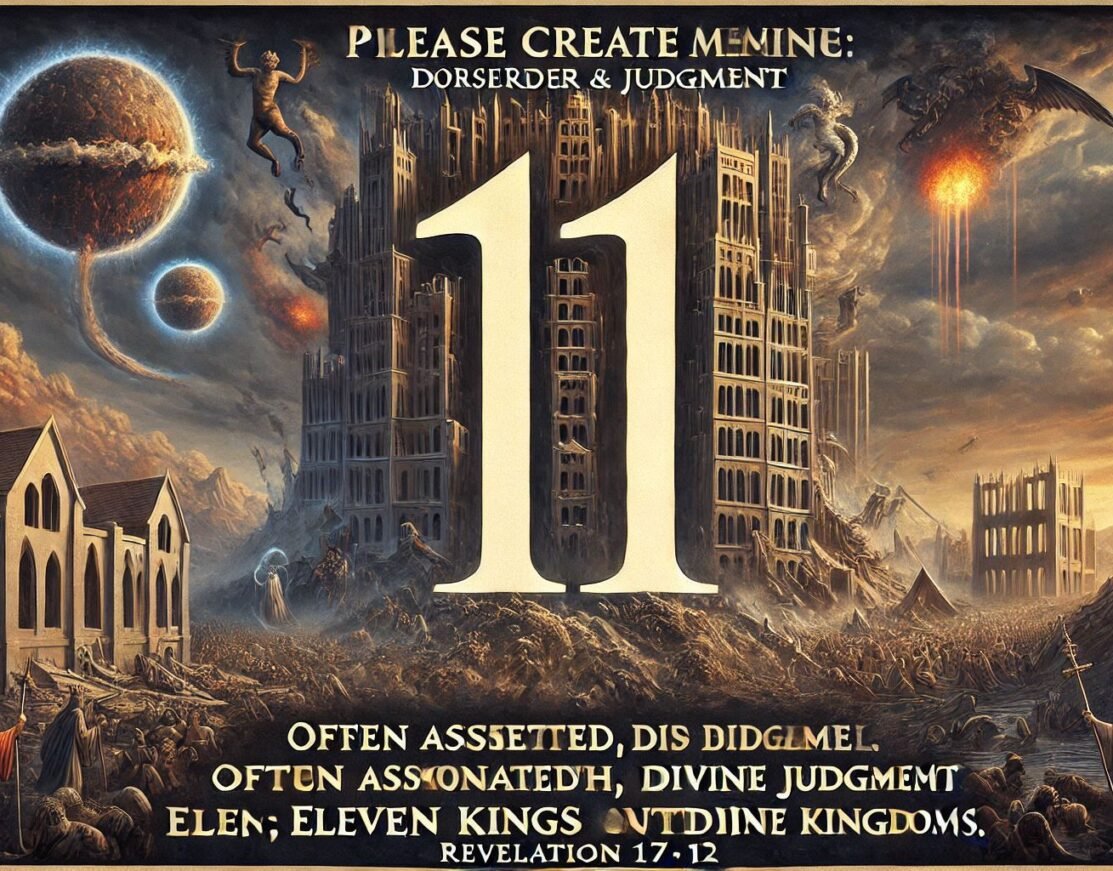
    In biblical numerology, the number eleven holds a unique place, often symbolizing disorder, incompleteness, judgment, or transition. Unlike other numbers such as ten, which represents divine order, or twelve, which symbolizes completeness and governance, eleven often stands in contrast, highlighting moments of imperfection, upheaval, or preparation for what is to come.

    https://divinetruthofnumbers.com/the-significance-of-the-number-ten/

    Symbolism of the Number Eleven

    The number eleven is commonly associated with incompleteness or a state of being one short of the desired fullness represented by twelve. It often reflects moments of chaos, rebellion, or a transition period leading to resolution.

    Disorder and Incompleteness

    In scripture, eleven can signify a state of disarray or incompleteness:

    The Eleven Sons of Jacob (Pre-Benjamin)
    Before the birth of Benjamin, Jacob had eleven sons, signifying an incomplete family structure that was later made whole with Benjamin’s arrival (Genesis 35:22-26).

    The Eleven Disciples
    After Judas Iscariot betrayed Jesus and took his own life, the remaining disciples were reduced to eleven. This group symbolized incompleteness until Matthias was chosen to restore their number to twelve (Acts 1:23-26).

    These examples highlight the transitional and imperfect nature of the number eleven in biblical contexts.

    Judgment and Rebellion

    The number eleven can also be associated with rebellion or judgment:

    The Tower of Babel
    Though not explicitly labeled as involving eleven, the story of the Tower of Babel in Genesis 11 reflects a spirit of human rebellion against God’s authority. This chapter underscores humanity’s inclination toward chaos and God’s subsequent judgment to restore divine order.

    Zedekiah’s Reign

    The last king of Judah, Zedekiah, reigned for eleven years before the Babylonian conquest and the destruction of Jerusalem (2 Kings 24:18). His reign marked a period of rebellion and the culmination of judgment against Judah’s disobedience.

    Biblical Numerology: The Significance of the Number Eleven (11)

    Transition and Preparation

    While eleven often symbolizes imperfection, it can also represent a transitional period or preparation for fulfillment:

    The Eleven-Day Journey
    In Deuteronomy 1:2, it is noted that the journey from Mount Horeb to the Promised Land should have taken eleven days. However, due to Israel’s disobedience, it stretched into 40 years. The eleven-day journey reflects a period of preparation and the consequences of incompleteness in faith.

    The Eleven Stars
    In Joseph’s dream, he sees eleven stars bowing to him, representing his brothers (Genesis 37:9). Though initially a source of tension, this vision foretells a transition in their relationship and the eventual restoration of family unity.

    Key Biblical References to the Number Eleven

    The Eleven Sons of Jacob (Genesis 35:22-26): Incompleteness before the family’s fullness with Benjamin’s birth.
    The Eleven Disciples (Matthew 28:16): A group awaiting restoration after Judas’ betrayal.
    Zedekiah’s Eleven-Year Reign (2 Kings 24:18): A period marked by rebellion and divine judgment.
    Joseph’s Dream of Eleven Stars (Genesis 37:9): A vision of transition and eventual reconciliation.
    The Eleven-Day Journey (Deuteronomy 1:2): A period that should have been brief but became prolonged due to disobedience.

    Biblical Numerology: The Significance of the Number Eleven (11)

    Theological Themes Associated with the Number Eleven

    1. Imperfection and Incompleteness

    The number eleven often represents something that is not yet whole, standing just short of the fullness symbolized by twelve.

    2. Judgment and Rebellion

    Events tied to the number eleven frequently involve rebellion against God’s will, leading to judgment or correction.

    3. Transition and Anticipation

    Eleven can signify a time of preparation or waiting for completeness, as seen in the transitional period of the eleven disciples before the selection of Matthias.

    Lessons from the Number Eleven

    The number eleven offers spiritual insights that can guide believers:

    Trust in God’s Timing: Periods of incompleteness or transition are opportunities to rely on God’s plan.
    Heed God’s Guidance: Disobedience, as seen in Zedekiah’s reign or the prolonged wilderness journey, leads to unnecessary difficulty and judgment.
    Anticipate Fulfillment: The incompleteness symbolized by eleven often points toward future restoration or wholeness.

    Conclusion

    In biblical numerology, the number eleven represents incompleteness, disorder, rebellion, and transition. While it often highlights imperfection or moments of judgment, it also serves as a reminder of God’s ongoing work to bring about restoration and wholeness.

    By understanding the symbolic meaning of eleven, believers can gain deeper insight into the importance of remaining faithful during times of uncertainty and trusting in God’s plan for ultimate fulfillment. The lessons of the number eleven challenge us to move beyond imperfection and chaos, striving for the divine order and completeness that only God can provide.

    https://youtube.com/shorts/_D20AtVn_o8?feature=share

  • Biblical Numerology: The Significance of the Number Ten (10)

    Biblical Numerology: The Significance of the Number Ten (10)

    Biblical Numerology: The Significance of the Number Ten (10)

    Biblical numerology is a fascinating study that assigns spiritual and symbolic meanings to numbers found in scripture. The number ten holds particular importance, often symbolizing divine order, completeness, law, and human responsibility. Its frequent appearance in both the Old and New Testaments underscores its role in conveying key theological principles and God’s structure for His creation.

    https://youtu.be/moX77f8_dUk

    Symbolism of the Number Ten

    The number ten often represents perfection of order or completeness in biblical narratives. It frequently appears in contexts where God’s laws, authority, or plans for humanity are emphasized, signifying divine structure and human accountability.

    Completeness and Divine Order

    In biblical numerology, ten symbolizes the fullness of divine order. It reflects a complete cycle of events or the perfection of God’s design. For example:

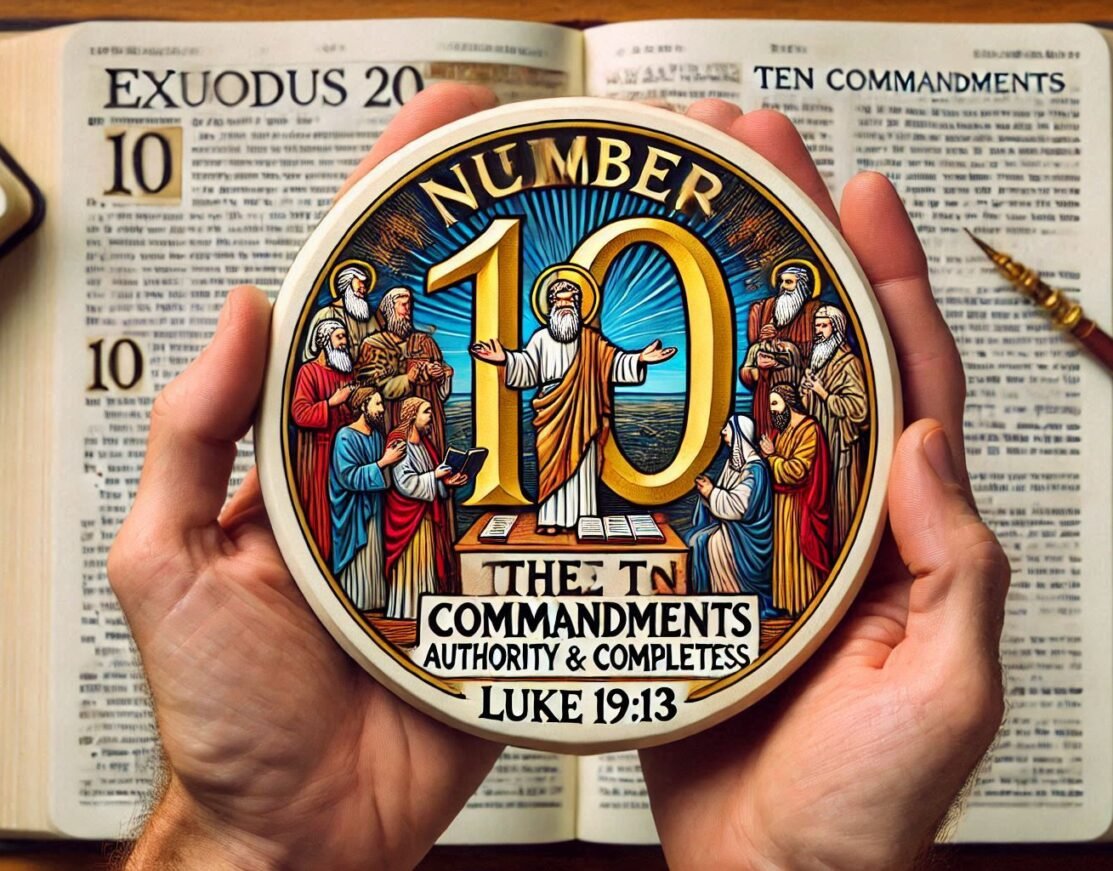
    The Ten Commandments
    The most famous example is the Ten Commandments (Exodus 20:1-17), which serve as the foundation of God’s covenant with Israel. These commandments represent a complete moral code that governs human behavior in relation to God and others.

    The Tenth Part (Tithing)
    In the Old Testament, a tithe (one-tenth of a person’s earnings or produce) was offered to God as an acknowledgment of His provision and sovereignty:
    “Bring the whole tithe into the storehouse, that there may be food in my house” (Malachi 3:10).
    This practice reflects the principle of completeness in honoring God with the first portion of what He has provided.

    Biblical Numerology: The Significance of the Number Ten (10)
    Biblical Numerology: The Significance of the Number Ten (10)

    Human Responsibility and Accountability

    The number ten also symbolizes human responsibility under divine law. The Ten Commandments serve as a complete guide to moral living, outlining humanity’s duties toward God and each other. This reflects the idea that God’s law is both comprehensive and binding.

    Additionally, the ten plagues of Egypt (Exodus 7-12) illustrate how God holds humanity accountable. Each plague served as a judgment against Pharaoh and the gods of Egypt, leading to Israel’s liberation and underscoring the consequences of disobedience.

    Key Biblical References to the Number Ten

    The number ten appears in many significant biblical passages, emphasizing its symbolic meanings of law, order, and completion:

    The Ten Commandments
    Found in Exodus 20:1-17, these represent the complete moral law given to humanity.

    The Ten Plagues of Egypt
    God sent ten plagues upon Egypt to demonstrate His power and judgment, ultimately securing Israel’s release from bondage (Exodus 7-12).

    The Parable of the Ten Virgins
    In Matthew 25:1-13, Jesus tells the parable of ten virgins, five wise and five foolish, to illustrate preparedness for His return. This story emphasizes human responsibility and readiness for the Kingdom of God.

    Tithing (The Tenth Part)
    The tithe reflects human acknowledgment of God’s provision, illustrating the principle of completeness and trust in God’s sustenance (Leviticus 27:30-32).

    The Ten Generations
    In Genesis, there are ten generations from Adam to Noah, signifying a complete cycle leading to God’s judgment through the flood (Genesis 5).

    Biblical Numerology: The Significance of the Number Ten (10)
    Biblical Numerology: The Significance of the Number Ten (10)

    Theological Themes Associated with the Number Ten

    1. God’s Sovereignty and Authority

    The number ten reflects God’s sovereign rule over creation. Through the Ten Commandments, God establishes His moral authority, while the ten plagues demonstrate His power over nature and false gods.

    2. Moral and Spiritual Completeness

    The Ten Commandments symbolize a complete moral framework. They guide humanity in living righteously before God and others.

    3. Judgment and Deliverance

    The ten plagues represent God’s judgment on disobedience and His deliverance of the faithful. This dual theme highlights the completeness of God’s justice.

    4. Preparation and Accountability

    The parable of the ten virgins reminds believers to remain vigilant and prepared for Christ’s return. This story underscores the completeness of human responsibility in spiritual matters.

    Symbolism in Daily Application

    The number ten offers practical and spiritual lessons for believers today:

    Honoring God’s Sovereignty: Like the practice of tithing, acknowledging God’s authority over all aspects of life fosters gratitude and trust.
    Obedience to Divine Order: The Ten Commandments remind believers to align their lives with God’s will.
    Readiness for Christ’s Return: The parable of the ten virgins emphasizes the importance of spiritual vigilance and preparation.
    Trust in God’s Justice: The ten plagues illustrate that God is faithful to judge wrongdoing and deliver His people.

    Biblical Numerology: The Significance of the Number Ten (10)
    Biblical Numerology: The Significance of the Number Ten (10)

    Conclusion

    The number ten in biblical numerology symbolizes divine order, completeness, human responsibility, and preparation. Its recurrence in scripture—through the Ten Commandments, the ten plagues, and the parable of the ten virgins—highlights its central role in expressing God’s moral and spiritual framework.

    By understanding the significance of the number ten, believers can gain a deeper appreciation of God’s structured plans, His call for accountability, and the assurance of His justice and provision. This number stands as a testament to the perfect balance of divine authority and human responsibility within the biblical narrative.

    https://divinetruthofnumbers.com/significance-of-the-number-nine-9/

  • Biblical Numerology: The Profound Significance of the Number Nine (9)

    Biblical Numerology: The Profound Significance of the Number Nine (9)

    Biblical Numerology: The Profound Significance of the Number Nine (9)

    Biblical numerology reveals the deeper spiritual and symbolic meanings behind numbers in scripture. The number nine is one of these significant numbers, often representing completion, finality, judgment, and the fruit of the Spirit. Its recurrence in both the Old and New Testaments highlights its importance in God’s divine order and plan.

    https://divinetruthofnumbers.com/biblical-meaning-of-the-number-8/

    Symbolism of the Number Nine

    The number nine is frequently associated with concepts of divine completeness, the fulfillment of God’s promises, and spiritual finality. Unlike seven, which symbolizes divine perfection and rest, nine often represents the conclusion of a matter or the readiness for new beginnings.

    Biblical Numerology: The Profound Significance of the Number Nine (9)
    Biblical Numerology: The Profound Significance of the Number Nine (9)

    Completion and Finality

    In biblical terms, nine signifies the completion of God’s work or His judgment. The association of nine with completion is evident in key biblical events:

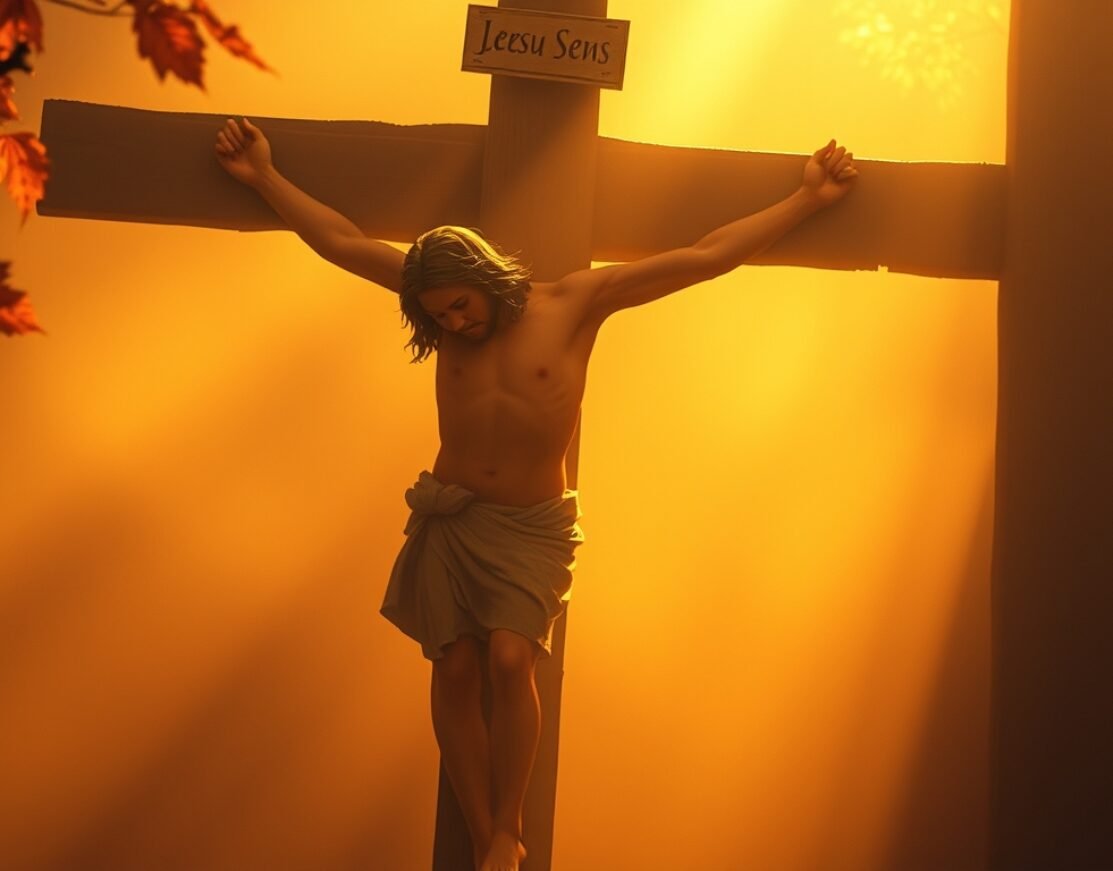
    Jesus' Death on the Cross
    Jesus, the culmination of God’s redemptive plan, died in the ninth hour of the day:
    “And about the ninth hour Jesus cried out with a loud voice, saying, ‘Eli, Eli, lema sabachthani?’ that is, ‘My God, my God, why have you forsaken me?’” (Matthew 27:46).
    This moment marks the fulfillment of prophecies regarding the Messiah’s suffering and the ultimate sacrifice for humanity’s sins.

    The Day of Atonement
    In the Old Testament,

    The Day of Atonement (Yom Kippur) begins at sunset on the ninth day of the seventh month (Leviticus 23:32). This underscores the number nine’s role in spiritual completion, as it symbolizes the culmination of a time of repentance and reconciliation with God.

    Biblical Numerology: The Profound Significance of the Number Nine (9)
    Biblical Numerology: The Profound Significance of the Number Nine (9)

    Judgment and Finality

    The number nine is also linked to judgment and the finality of God’s decisions. For instance, the plagues in Egypt culminated with the death of the firstborn, which is considered the ultimate act of judgment before Israel’s exodus.

    In prophetic literature, the number nine can symbolize the consequences of human actions, emphasizing God’s justice.

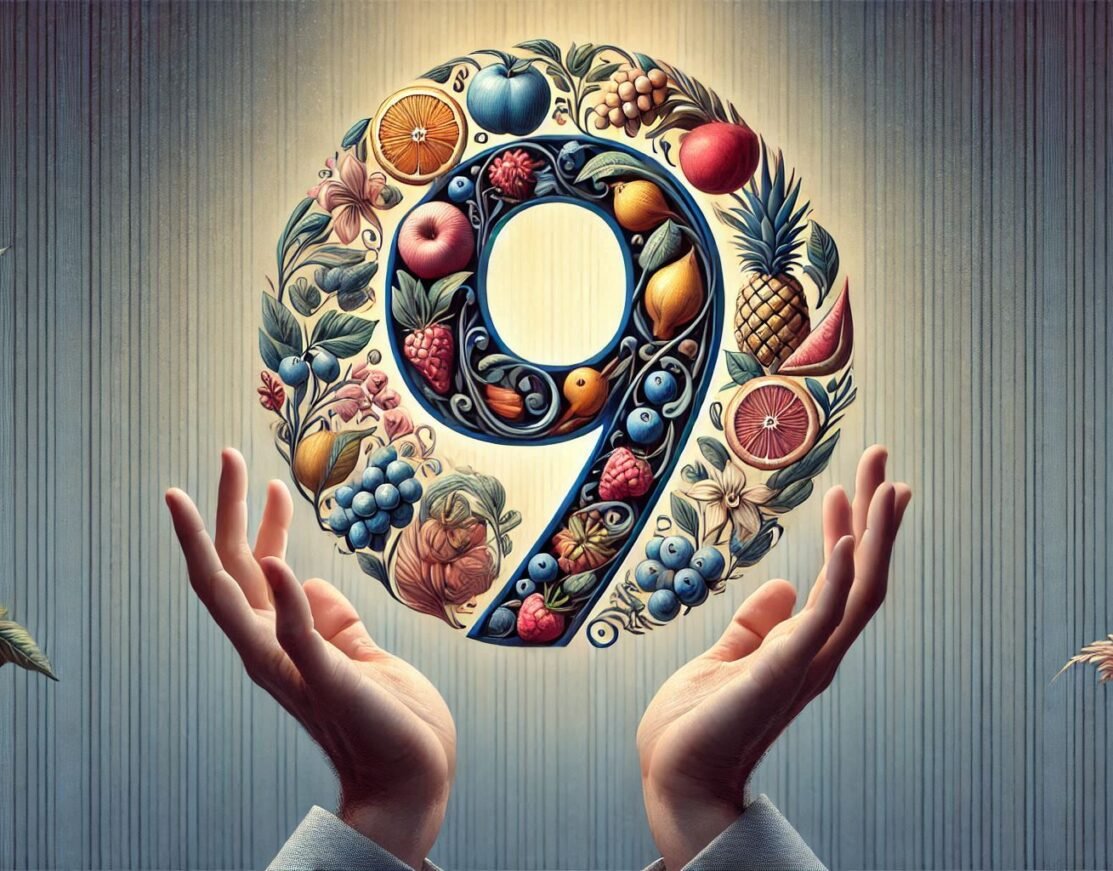
    The Fruit of the Spirit

    In the New Testament, Paul outlines the nine fruits of the Spirit in Galatians 5:22-23:
    “But the fruit of the Spirit is love, joy, peace, forbearance, kindness, goodness, faithfulness, gentleness, and self-control.”

    These nine attributes encapsulate the fullness of a Spirit-led life, demonstrating the transformative power of faith and God’s work within believers. This association of nine with spiritual fruitfulness reflects the completion and maturity of Christian character.

    Key Biblical References to the Number Nine

    The significance of nine is seen throughout scripture in both narrative and symbolic contexts:

    The Ninth Hour
    The ninth hour is mentioned several times in the New Testament as a time of prayer and divine intervention. For example:

    Acts 3:1: Peter and John went to the temple at the ninth hour, the hour of prayer.
    Matthew 27:46: Jesus cried out in the ninth hour, fulfilling His earthly mission.

    Nine Lepers
    In Luke 17:11-19, Jesus heals ten lepers, but only one returns to thank Him. The absence of the other nine underscores humanity’s tendency toward ingratitude, serving as a spiritual lesson.

    The Fruit of the Spirit
    The nine fruits of the Spirit in Galatians 5:22-23 reflect the completeness of God’s transformative work in believers.

    Nine Beatitudes
    In Matthew 5:3-12, Jesus gives the Sermon on the Mount, outlining nine blessings (Beatitudes) that define the attitudes and character of His followers.

    Theological Themes Associated with the Number Nine

    Divine Completion
    The number nine often signals the conclusion of a matter, such as the end of Jesus’ earthly ministry at the ninth hour. It points to God’s ability to bring His work to full fruition.

    Judgment and Justice
    Nine serves as a reminder of God’s righteous judgment, emphasizing His authority over the world and the finality of His decisions.

    Spiritual Maturity
    The nine fruits of the Spirit illustrate the completeness of a faithful life, reflecting God’s transformative work within believers.

    Prayer and Worship
    The ninth hour, as a time of prayer in biblical accounts, highlights the importance of communion with God in achieving spiritual maturity and divine intervention.

    Biblical Numerology: The Profound Significance of the Number Nine (9)
    Biblical Numerology: The Profound Significance of the Number Nine (9)

    Symbolism in Daily Application

    For believers, the number nine offers powerful lessons:

    Trust in God’s Timing: Just as nine represents completion, it reminds us to trust in God’s plan and timing for our lives.
    Spiritual Growth: The fruits of the Spirit encourage us to strive for completeness in our character, embodying love, kindness, and self-control.
    Gratitude: The story of the nine ungrateful lepers calls us to continually thank God for His blessings.

    Conclusion

    The number nine in biblical numerology symbolizes completion, judgment, and spiritual maturity. From the ninth hour of Jesus’ sacrifice to the fruits of the Spirit, this number serves as a reminder of God’s ability to bring His plans to fulfillment and His call for believers to grow in faith.

    Biblical Numerology: The Profound Significance of the Number Nine (9)
    Biblical Numerology: The Profound Significance of the Number Nine (9)

    By understanding the significance of nine, we can gain deeper insight into scripture’s divine order and apply its lessons to our spiritual journey. The number nine challenges us to live lives marked by gratitude, spiritual growth, and trust in God’s perfect timing.

    https://youtu.be/h3NYqp4p57U

  • The Biblical Meaning of the Number 8: Symbolism and Significance

    The Biblical Meaning of the Number 8: Symbolism and Significance

    The Biblical Meaning of the Number 8: Symbolism and Significance

    In the Bible, numbers often carry symbolic meanings that reveal spiritual truths and divine messages. The number 8 is a number of new beginnings, resurrection, and renewal. It signifies a fresh start, a new creation, and the fulfillment of God’s promises. This blog explores the significance of the number 8 in the Bible, its occurrences, and its spiritual implications.


    1. The Symbolism of the Number 8

    In biblical numerology, the number 8 is associated with:

    New Beginnings: It represents a fresh start after a period of completion or transition.
    Resurrection and Renewal: The number reflects themes of restoration and life.
    Covenant and Promises: It signifies the establishment of new covenants and God’s faithfulness.


    2. The Number 8 in Scripture

    The number 8 is significant in many biblical narratives, emphasizing its symbolic meaning of renewal and new beginnings:

    a. The Eighth Day of Creation

    After the seven days of creation, the eighth day signifies the beginning of a new era. While the Bible doesn’t explicitly describe an eighth day of creation, the concept is reflected in the start of human stewardship of the earth (Genesis 2:15).

    b. Circumcision on the Eighth Day

    Under the Mosaic Law, male infants were circumcised on the eighth day (Genesis 17:12; Leviticus 12:3). This practice symbolizes entering into God’s covenant, marking a new beginning for the child in the community of God’s people.

    c. Jesus’ Resurrection

    Jesus rose from the dead on the first day of the week, which is also the eighth day in the Jewish reckoning of time. His resurrection symbolizes a new creation and the beginning of eternal life (Matthew 28:1-6).

    d. Noah and the Flood

    After the flood, Noah and his family—eight people in total—emerged from the ark to begin a new chapter for humanity (1 Peter 3:20). This event symbolizes renewal and the promise of God’s covenant.

    e. The Feast of Tabernacles

    The Feast of Tabernacles (Sukkot) lasted seven days, but the eighth day was a sacred assembly, marking a new beginning and a time of renewal (Leviticus 23:36).


    The Biblical Meaning of the Number 8: Symbolism and Significance
    The Biblical Meaning of the Number 8: Symbolism and Significance

    3. Theological Implications of the Number 8

    a. New Beginnings in Christ

    The number 8 reflects the transformative power of Jesus Christ, offering believers a new beginning through salvation and spiritual renewal:

    • Baptism: Often associated with the number 8, baptism symbolizes dying to the old self and rising to new life in Christ (Romans 6:4).
    • Resurrection Power: Jesus’ resurrection on the eighth day marks the ultimate new beginning for humanity.

    b. Covenantal Promises

    The number 8 highlights God’s faithfulness in fulfilling His promises, whether through covenants like circumcision or His assurance of eternal life in Christ.

    c. Hope and Renewal

    The number 8 serves as a reminder of God’s ability to renew and restore all things, offering hope to believers in times of transition or challenge.


    The Biblical Meaning of the Number 8: Symbolism and Significance
    The Biblical Meaning of the Number 8: Symbolism and Significance

    4. Lessons from the Number 8

    The number 8 provides practical spiritual lessons for believers:

    • Embrace New Beginnings: Trust God during transitions and embrace opportunities for spiritual renewal.
    • Live in Resurrection Power: Reflect on Jesus’ resurrection and live in the freedom and hope it provides.
    • Celebrate God’s Faithfulness: Remember that God’s promises are always fulfilled, offering new life and hope.

    5. The Number 8 in Biblical Prophecy

    The number 8 often appears in contexts of prophecy and eschatology, symbolizing the ultimate renewal of all things:

    • A New Heaven and Earth: The Bible describes the creation of a new heaven and a new earth, a divine act that reflects the themes of the number 8 (Revelation 21:1-5).
    • The Eternal Kingdom: The new beginning ushered in by Christ’s return will mark the start of eternal life for believers.

    The Biblical Meaning of the Number 8: Symbolism and Significance
    The Biblical Meaning of the Number 8: Symbolism and Significance

    Conclusion: The Profound Message of the Number 8

    The number 8 in the Bible is a powerful symbol of new beginnings, resurrection, and renewal. From circumcision on the eighth day to Jesus’ resurrection, the number reflects God’s ability to bring new life and hope to His people.

    As believers, the number 8 encourages us to embrace the new beginnings God offers, to live in the power of resurrection, and to trust in His promises of renewal. Let the message of the number 8 inspire you to move forward with faith, hope, and confidence in God’s transformative power.

    https://youtu.be/2BnfdJ6CjYA

    https://divinetruthofnumbers.com/hidden-power-of-6-hebrew-words-numerical/

  • The seven last words of Jesus Christ on the cross, as recorded in the New Testament, are traditionally understood as his final statements before his death. (Part C) | 7 Words of Jesus

    The seven last words of Jesus Christ on the cross, as recorded in the New Testament, are traditionally understood as his final statements before his death. (Part C) | 7 Words of Jesus

    The seven last words of Jesus Christ on the cross, as recorded in the New Testament, are traditionally understood as his final statements before his death. (Part C) | 7 Words of Jesus

    Below, I provide each statement in English, its transliteration into the Hebrew alphabet (using modern Hebrew pronunciation for consistency), a basic numerological analysis based on Hebrew gematria (where each Hebrew letter has a numerical value), and the corresponding biblical references. 

    Note that the original New Testament texts are in Greek, so the Hebrew transliterations are approximations based on translating the Greek or English phrases into Hebrew. Gematria is applied to the Hebrew transliterated words, summing the numerical values of the letters (Aleph=1, Bet=2, …, Yud=10, Kof=100, etc.).

     1. “Father, forgive them, for they know not what they do.”

    – Biblical Reference: Luke 23:34

    -Hebrew Transliteration-: אבא, סלח להם, כי הם לא יודעים מה הם עושים  
      (Abba, slach lahem, ki hem lo yod’im ma hem osim)
    – Hebrew Text-: אבא סלח להם כי הם לא יודעים מה הם עושים

    – Gematria Calculation (simplified to key phrase “סלח להם” – “forgive them”):
      – ס (Samekh) = 60
      – ל (Lamed) = 30
      – ח (Chet) = 8
      – ל (Lamed) = 30
      – ה (Heh) = 5
      – ם (Mem sofit) = 40
      – Total: 60 + 30 + 8 + 30 + 5 + 40 = 173

    – Numerological Note: 173 is a prime number, symbolising uniqueness or indivisibility, possibly reflecting the singular act of divine forgiveness.
    In Jewish numerology, numbers are often reduced (e.g., 1+7+3=11, 1+1=2), where 2 can symbolise duality or mercy, balancing justice.

     2. “Truly, I say to you, you will be with me in Paradise today.”

    – Biblical Reference: Luke 23:43

    – Hebrew Transliteration: אמן, אני אומר לך, היום תהיה עמי בגן עדן  
      (Amen, ani omer lecha, hayom tihyeh imi b’gan eden)
    – Hebrew Text: אמן אני אומר לך היום תהיה עמי בגן עדן

    – Gematria Calculation (simplified to “בגן עדן” – “in Paradise”):
      – ב (Bet) = 2
      – ג (Gimel) = 3
      – ן (Nun sofit) = 50
      – ע (Ayin) = 70
      – ד (Dalet) = 4
      – ן (Nun sofit) = 50
      – Total: 2 + 3 + 50 + 70 + 4 + 50 = 179

    The seven last words of Jesus Christ on the cross, as recorded in the New Testament, are traditionally understood as his final statements before his death. (Part C) | 7 Words of Jesus
    The seven last words of Jesus Christ on the cross, as recorded in the New Testament, are traditionally understood as his final statements before his death. (Part C) | 7 Words of Jesus

    – Numerological Note: 179 is also a prime number, suggesting purity or a unique promise. Reduced (1+7+9=17, 1+7=8), 8 in Jewish numerology often symbolises new beginnings, aligning with the promise of eternal life.

     3. “Woman, behold your son! … Behold your mother!”

    – Biblical Reference: John 19:26-27

    – Hebrew Transliteration: אישה, הנה בנך! … הנה אמך!  
      (Isha, hineh binch! … Hineh imech!)
    – Hebrew Text: אישה הנה בנך הנה אמך

    – Gematria Calculation (simplified to “הנה בנך” – “behold your son”):
      – ה (Heh) = 5
      – נ (Nun) = 50
      – ה (Heh) = 5
      – ב (Bet) = 2
      – נ (Nun) = 50
      – ך (Kaf sofit) = 20
      – Total: 5 + 50 + 5 + 2 + 50 + 20 = 132

    – Numerological Note: 132 reduces to 1+3+2=6, where 6 can symbolise human connection or responsibility, fitting Jesus’ entrustment of Mary and John to each other.

     4. “My God, my God, why have you forsaken me?”

    – Biblical Reference: Matthew 27:46, Mark 15:34 (quoting Psalm 22:1)

    – Hebrew Transliteration: אלי, אלי, למה עזבתני?  
      (Eli, Eli, lama azavtani?)
    – Hebrew Text: אלי אלי למה עזבתני

    – Gematria Calculation (simplified to “למה עזבתני” – “why have you forsaken me”):
      – ל (Lamed) = 30
      – מ (Mem) = 40
      – ה (Heh) = 5
      – ע (Ayin) = 70
      – ז (Zayin) = 7
      – ב (Bet) = 2
      – ת (Tav) = 400
      – נ (Nun) = 50
      – י (Yud) = 10
      – Total: 30 + 40 + 5 + 70 + 7 + 2 + 400 + 50 + 10 = 614

    – Numerological Note: 614 reduces to 6+1+4=11, then 1+1=2, symbolising separation or duality, reflecting the cry of abandonment. Notably, this phrase directly quotes Psalm 22:1 in Hebrew, tying it to messianic prophecy.

     5. “I thirst.”

    – Biblical Reference: John 19:28

    – Hebrew Transliteration: אני צמא  
      (Ani tzame)
    – Hebrew Text: אני צמא

    – Gematria Calculation:
      – א (Aleph) = 1
      – נ (Nun) = 50
      – י (Yud) = 10
      – צ (Tzadi) = 90
      – מ (Mem) = 40
      – א (Aleph) = 1
      – Total: 1 + 50 + 10 + 90 + 40 + 1 = 192

    – Numerological Note: 192 reduces to 1+9+2=12, then 1+2=3, where 3 can symbolise completeness or divine will, possibly reflecting Jesus’ human suffering and divine purpose.

     6. “It is finished.”

    – Biblical Reference: John 19:30

    – Hebrew Transliteration: זה נגמר  
      (Zeh nigmar)
    – Hebrew Text: זה נגמר

    – Gematria Calculation:
      – ז (Zayin) = 7
      – ה (Heh) = 5
      – נ (Nun) = 50
      – ג (Gimel) = 3
      – מ (Mem) = 40
      – ר (Reish) = 200
      – Total: 7 + 5 + 50 + 3 + 40 + 200 = 305

    – Numerological Note: 305 reduces to 3+0+5=8, symbolising completion or a new order, fitting the declaration of the fulfilment of Jesus’ mission.

     7. “Father, into your hands I commit my spirit.”

    – Biblical Reference: Luke 23:46 (echoing Psalm 31:5)

    – Hebrew Transliteration: אבא, בידיך אני מפקיד את רוחי  
      (Abba, b’yadecha ani mafkid et ruchi)
    – Hebrew Text: אבא בידיך אני מפקיד את רוחי

    – Gematria Calculation (simplified to “אני מפקיד” – “I commit”):
      – א (Aleph) = 1
      – נ (Nun) = 50
      – י (Yud) = 10
      – מ (Mem) = 40
      – פ (Peh) = 80
      – ק (Kof) = 100
      – י (Yud) = 10
      – ד (Dalet) = 4
      – Total: 1 + 50 + 10 + 40 + 80 + 100 + 10 + 4 = 295

    – Numerological Note: 295 reduces to 2+9+5=16, then 1+6=7, where 7 symbolises spiritual perfection or rest, aligning with Jesus’ surrender to God’s will.

     Notes:

    - Hebrew Transliteration: Since the New Testament was written in Greek, the Hebrew phrases are modern translations or transliterations of the Greek or English texts. For statements like the fourth (quoting Psalm 22:1), the original Hebrew from the Tanakh is used.

    - Gematria: Hebrew gematria assigns numerical values to letters, and the totals are often interpreted symbolically. Reduction (summing digits) is a common practice to derive simpler meanings. The interpretations here are speculative and align with traditional Jewish numerological themes (e.g., 7 for perfection, 8 for new beginnings).

    - Biblical Context: The references are drawn from the canonical Gospels. The fourth and seventh sayings connect directly to Psalms, reinforcing their messianic significance.

    - Numerology Limitations: Gematria is not a precise science and is open to interpretation. The values provided are based on standard Hebrew letter values, but deeper mystical meanings (e.g., in Kabbalah) would require more context.

    This response provides a concise yet comprehensive breakdown of the seven last words, their Hebrew transliterations, gematria, and biblical references, as requested. 


    https://divinetruthofnumbers.com/seven-words-of-jesus-on-the-cross/

    https://youtu.be/elXpH1soF7o?si=_h4xfN0InZtNGoj1

  • The Divine Numerological Meaning of Number 70: A Deep Spiritual and Biblical Insight (Part 3/7)

    The Divine Numerological Meaning of Number 70: A Deep Spiritual and Biblical Insight (Part 3/7)

    The Divine Numerological Meaning of Number 70: A Deep Spiritual and Biblical Insight (Part 3/7)

    The number 70 is a highly significant number in biblical numerology, spirituality, and divine prophecy. It represents divine order, completion, judgment, restoration, and the fulfillment of God’s plan. The number 70 appears multiple times in the Bible, symbolizing perfection, authority, and the connection between the physical and spiritual worlds.

     The Sacred Power of Number 70

    If you frequently see the number 70, or if you are studying its meaning in biblical and spiritual contexts, this in-depth guide will help you understand:
      The Biblical Meaning of 70
    The Spiritual and Numerological Symbolism of 70
    The Universal Influence of 70 in Prophecy and Divine Order
    The Hidden Mystical Significance of 70
    How 70 Relates to Your Spiritual Journey

    Let’s explore the divine truths behind the number 70 and its profound influence on life, faith, and destiny.


     The Biblical Meaning of Number 70

    The number 70 appears multiple times in the Bible, and it often represents:
    Completion and Perfection – The end of a cycle and the fulfillment of divine plans.
    Divine Judgment and Restoration – The 70 years of captivity in Babylon.
    Spiritual Authority and Leadership – The 70 elders appointed by Moses.

    Let’s explore the major biblical references to the number 70.

    1. The 70 Nations and God’s Divine Order (Genesis 10)

    After the Great Flood, the descendants of Noah formed 70 nations, as recorded in Genesis 10. This symbolizes the division of humanity and the establishment of divine order on Earth.

    “These are the families of the sons of Noah, after their generations, in their nations: and by these were the nations divided in the earth after the flood.” – (Genesis 10:32)

    This passage shows that 70 represents the totality of the world’s nations, cultures, and divine governance.

    2. The 70 Elders of Israel (Exodus 24:1, Numbers 11:16-25)

    When Moses led the Israelites, God commanded him to appoint 70 elders to help lead and guide the people:

    “Gather for me seventy men of the elders of Israel, whom you know to be the elders of the people and officers over them, and bring them to the tent of meeting, that they may stand there with you.” – (Numbers 11:16)

    These 70 elders were given divine wisdom and authority, showing that 70 is the number of leadership, spiritual wisdom, and divine governance.

    3. The 70-Year Babylonian Captivity (Jeremiah 25:11-12, Daniel 9:2)

    The Israelites were exiled to Babylon for 70 years as a punishment for their sins:

    “This whole country will become a desolate wasteland, and these nations will serve the king of Babylon seventy years.” – (Jeremiah 25:11)

    However, after 70 years, God restored His people, showing that 70 is also the number of divine judgment and restoration.

    4. The 70 Weeks Prophecy of Daniel (Daniel 9:24-27)

    One of the most famous prophecies in the Bible is Daniel’s 70 Weeks Prophecy, which foretells the coming of the Messiah and the end times.

    “Seventy weeks are decreed about your people and your holy city, to finish the transgression, to put an end to sin, and to atone for iniquity.” – (Daniel 9:24)

    This prophecy highlights 70 as a number of divine fulfillment and the completion of God’s plan.

    5. Jesus and the 70 Disciples (Luke 10:1-17)

    Jesus appointed 70 disciples and sent them out to preach the Gospel:

    “After this, the Lord appointed seventy others and sent them two by two ahead of Him to every town and place where He was about to go.” – (Luke 10:1)

    This represents the universal mission of the Church, showing that 70 symbolizes divine ministry and spiritual expansion.


     The Spiritual and Numerological Symbolism of 70

    1. The Number 70 as a Symbol of Completion

    Since 70 is a combination of 7 (spiritual perfection) and 10 (divine order), it represents:
      The completion of divine cycles
      The fulfillment of spiritual destiny
      The transition from one era to another

    Whenever 70 appears in your life, it may signify the end of a major phase and the beginning of something new.

    2. The Number 70 as a Symbol of Divine Judgment and Mercy

    Throughout the Bible, 70 is connected to both divine punishment and restoration. It signifies:
      The end of a period of testing
      The fulfillment of prophecy
      A time of renewal and transformation

    Seeing 70 may indicate that you are entering a period of divine change, correction, or spiritual renewal.

    3. The 70 Names of God in Jewish Mysticism

    In Kabbalah and Jewish mysticism, it is believed that God has 70 sacred names, each representing a different aspect of divine power and wisdom.

    This highlights 70 as a number of deep spiritual knowledge and divine revelation.


     The Universal Influence of 70 in Life and History

    1. The 70 Years of Human Life (Psalm 90:10)

    The Bible states that the average human lifespan is 70 years:

    “The years of our life are seventy, or even by reason of strength eighty; yet their span is but toil and trouble.” – (Psalm 90:10)

    This shows that 70 represents a complete human lifetime, symbolizing wisdom, aging, and the cycle of life.

    2. The 70 Elders of the Sanhedrin

    In Jewish history, the Sanhedrin (Jewish Supreme Court) had 70 elders, who were responsible for interpreting divine law and justice.

    This emphasizes 70 as a number of legal and spiritual authority.


     How Number 70 Impacts Your Spiritual Journey?

    If 70 frequently appears in your life, it is a message from the universe that:
      A major cycle in your life is ending, and a new one is beginning.
      You are being called to leadership and divine wisdom.
      You may be entering a period of correction or spiritual renewal.
      God’s promises and plans for you are about to be fulfilled.

    What to Do When You See 70?

     Pray for guidance – Seek divine wisdom about what cycle is ending in your life.
      Trust the process – 70 often signals transformation and new beginnings.
      Reflect on spiritual lessons – What has this phase of your life taught you?
      Prepare for a new chapter – 70 is a sign that change is coming.


     Conclusion: The Divine Message of 70

    The number 70 is a sacred and powerful symbol of divine order, completion, and fulfillment. Whether in biblical prophecy, numerology, or history, 70 represents the transition from one phase to another.

    Whenever you see 70, take it as a divine message that a season in your life is ending, and a new chapter is about to begin.

     Have you experienced the number 70 in your life? What message do you feel it holds for you? Share your thoughts in the comments! 

    https://divinetruthofnumbers.com/seven-words-of-jesus-on-the-cross/

    https://youtu.be/6RhfVejXSE4?si=Br4rcGbWwjwLA03G

  • Last Seven Words of Jesus on the Cross (7) | Last 7 Words” (or sayings) of Jesus on the cross (Part A)

    Last Seven Words of Jesus on the Cross (7) | Last 7 Words” (or sayings) of Jesus on the cross (Part A)

    Last Seven Words of Jesus on the Cross (7) | Last 7 Words” (or sayings) of Jesus on the cross (Part A)

    Last Seven (7) Words of Jesus on the Cross | Last 7 Words (or sayings) of Jesus on the cross .

    These statements hold deep theological significance, fulfilling Old Testament prophecies and revealing Christ’s love, suffering, and mission. Below is an in-depth explanation of each saying, including its biblical reference, meaning, Hebrew transliteration, and numerical values.

    Last Seven Words of Jesus on the Cross (7) | Last 7 Words" (or sayings) of Jesus on the cross (Part A)
    Last Seven Words of Jesus on the Cross (7) | Last 7 Words” (or sayings) of Jesus on the cross (Part A)

    1. “Father, forgive them, for they do not know what they do.”

    Luke 23:34
      Hebrew: אָב, סְלַח לָהֶם, כִּי לֹא יָדְעוּ מַה-שֶּׁהֵם עֹשִׂים
      Numerical Value: 1 + 2 + 60 + 8 + 30 + 8 + 30 + 5 + 40 + 10 + 100 + 10 + 4 + 70 + 6 + 40 + 5 + 300 + 60 + 5 + 40 + 70 + 5 + 40 + 130 + 6 + 300 = 1661

    1+6+6+1=14

    Meaning & Prophecy:

    Jesus intercedes for His executioners, fulfilling Isaiah 53:12: “He bore the sin of many, and made intercession for the transgressors.”

    Last Seven (7) Words of Jesus on the Cross | Last 7 Words (or sayings) of Jesus on the cross 
    Last Seven (7) Words of Jesus on the Cross | Last 7 Words (or sayings) of Jesus on the cross 

    2. “Truly, I say to you, you will be with me in Paradise today.”

     Luke 23:43
      Hebrew: אָמֵן, אוֹמֵר אֲנִי לְךָ, הַיּוֹם תִּהְיֶה עִמִּי בַּגָּן
      Numerical Value: 1 + 40 + 50 + 1 + 6 + 40 + 200 + 1 + 50 + 10 + 30 + 20 + 5 + 10 + 6 + 40 + 400 + 10 + 5 + 70 + 10 + 40 + 10 + 2 + 3 + 50 = 1111

    1+1+1+1=4

    Meaning & Prophecy:

    Jesus promises salvation to the repentant thief, fulfilling Isaiah 53:11: “By his knowledge shall the righteous one, my servant, make many to be accounted righteous.”

    3. “Woman, behold your son! … Behold your mother!”

     John 19:26-27
      Hebrew: אִשָּׁה, הִנֵּה בֵּנֵךְ! … הִנֵּה אִמֶּךָּ!
      Numerical Value: 1 + 300 + 5 + 5 + 50 + 5 + 2 + 50 + 50 + 20 + 5 + 50 + 5 + 1 + 40 + 40 + 20 = 593

    5+9+3=17

    Meaning & Prophecy:

    Jesus entrusts His mother to John, fulfilling Psalm 22:9-10, which speaks of the Messiah’s relationship with His mother.

    4. “My God, My God, why have You forsaken Me?”

     Matthew 27:46, Mark 15:34
      Hebrew: אֵלִי, אֵלִי, לָמָּה עֲזַבְתַּנִי?
      Numerical Value: 1 + 30 + 10 + 1 + 30 + 10 + 30 + 40 + 5 + 70 + 7 + 2 + 400 + 50 + 10 = 696

    6+9+6=21

    Meaning & Prophecy:

    Jesus quotes Psalm 22:1, fulfilling the prophecy of the Messiah’s suffering.

    5. “I thirst.”

     John 19:28
      Hebrew: אֲנִי צָמֵא
      Numerical Value: 1 + 50 + 10 + 90 + 40 + 1 = 192

    1+9+2=12

    Meaning & Prophecy:

    This fulfils Psalm 69:21: “They gave me vinegar for my thirst.”

    6. “It is finished.”

     John 19:30
      Hebrew: נִשְׁלַם
      Numerical Value: 50 + 300 + 30 + 40 = 420

    4+2+0=6

    Meaning & Prophecy:

    This completes the work of redemption, fulfilling Daniel 9:24.

    7. “Father, into Your hands I commit My spirit.”

     Luke 23:46
      Hebrew: אָב, בְּיָדְךָ אַפְקִיד רוּחִי
      Numerical Value: 1 + 2 + 2 + 10 + 4 + 20 + 1 + 80 + 100 + 10 + 4 + 200 + 6 + 8 + 10 = 454

    4+5+4=13

    Meaning & Prophecy:

    Jesus surrenders His life, quoting Psalm 31:5.

    Final Reflection:

    The last seven words of Jesus fulfill messianic prophecies, show His divine mission, and highlight the depth of His sacrifice. The numerical values further reveal hidden patterns in the sacred text.


    https://youtu.be/hGkQklNMMBs?si=SezV46SC5EpZNG3u

    https://divinetruthofnumbers.com/divine-numerological-truths-number-7/

  • Last Seven (7) Words of Jesus on the Cross | Last 7 Words (or sayings) of Jesus on the cross (Part B)

    Last Seven (7) Words of Jesus on the Cross | Last 7 Words (or sayings) of Jesus on the cross (Part B)

    Last Seven Words of Jesus on the Cross (7) | Last 7 Words” (or sayings) of Jesus on the cross (Part B)

    In Hebrew, the “Last 7 Words” (or sayings) of Jesus on the cross have profound meanings, deeply rooted in the Hebrew scriptures and numerical significance.

    Last 7 Words” (or sayings) of Jesus on the cross 

    Last Seven (7) Words of Jesus on the Cross | Last 7 Words (or sayings) of Jesus on the cross 
    Last Seven (7) Words of Jesus on the Cross | Last 7 Words (or sayings) of Jesus on the cross 

    Below is an analysis of each statement’s meaning based on the Hebrew language, biblical context, and gematria (numerical values).

    1. “Father, forgive them, for they do not know what they do.”

     Luke 23:34
      Hebrew: אָב, סְלַח לָהֶם, כִּי לֹא יָדְעוּ מַה-שֶּׁהֵם עֹשִׂים
    (Av, selach lahem, ki lo yade’u mah she’hem osim)

     Numerical Value: 1661

    Meaning in Hebrew Context:

    "סְלַח" (Selach) means "forgive" and is used in Yom Kippur prayers, linking Jesus' words to atonement.
    "לֹא יָדְעוּ" (Lo yade'u) means "they do not know," showing ignorance of the divine plan.
    This fulfills Isaiah 53:12: "He bore the sin of many and made intercession for the transgressors."

    2. “Truly, I say to you, today you will be with me in Paradise.”

     Luke 23:43
      Hebrew: אָמֵן, אוֹמֵר אֲנִי לְךָ, הַיּוֹם תִּהְיֶה עִמִּי בַּגָּן
    (Amen, omer ani lecha, hayom tihyeh imi b’gan)

     Numerical Value: 1111

    Meaning in Hebrew Context:

    “אָמֵן” (Amen) means absolute truth—Jesus is declaring a divine decree.
    “בַּגָּן” (BaGan, “In the Garden”) references Gan Eden (Garden of Eden), the Jewish concept of Paradise.
    This fulfills Isaiah 53:11: “By His knowledge shall the Righteous One, my servant, justify many.”

    3. “Woman, behold your son! … Behold your mother!”

     John 19:26-27
      Hebrew: אִשָּׁה, הִנֵּה בֵּנֵךְ! … הִנֵּה אִמֶּךָּ!
    (Ishah, hineh b’nech! … Hineh imecha!)

     Numerical Value: 593

    Meaning in Hebrew Context:

    "אִשָּׁה" (Ishah, "Woman") echoes Genesis 3:15, where God speaks of the "woman" (Eve) and her seed (Messiah).

    Jesus is creating a spiritual family, fulfilling Jewish kinship traditions.

    4. “My God, My God, why have You forsaken Me?”

     Matthew 27:46, Mark 15:34
      Hebrew: אֵלִי, אֵלִי, לָמָּה עֲזַבְתַּנִי?
    (Eli, Eli, lama azavtani?)

     Numerical Value: 696

    Meaning in Hebrew Context:

    Jesus is quoting Psalm 22:1, a prophecy of the suffering Messiah.
    “לָמָּה” (Lama) means “why,” showing deep human agony yet trust in God.
    “עֲזַבְתַּנִי” (Azavtani, “forsaken me”) aligns with Jewish suffering themes.

    5. “I thirst.”

     John 19:28
      Hebrew: אֲנִי צָמֵא
    (Ani tame)

     Numerical Value: 192

    Meaning in Hebrew Context:

    “צָמֵא” (Tzame, “thirst”) also means “spiritual longing” in Jewish texts.
    Jesus fulfils Psalm 69:21: “They gave me vinegar for my thirst.”

    6. “It is finished.”

     John 19:30
    Hebrew: נִשְׁלַם
    (Nishlam)

     Numerical Value: 420

    Meaning in Hebrew Context:

    “נִשְׁלַם” (Nishlam) means “completed, fulfilled, paid in full.”
    Jesus fulfils Daniel 9:24, completing the atonement.

    7. “Father, into Your hands I commit My spirit.”

     Luke 23:46
      Hebrew: אָב, בְּיָדְךָ אַפְקִיד רוּחִי
    (Av, b’yadecha afkid ruchi)

     Numerical Value: 454

    Meaning in Hebrew Context:

    “אַפְקִיד” (Afkid, “I entrust”) comes from Psalm 31:5, a common Jewish deathbed prayer.
    This shows total surrender to God’s will.

    Final Thoughts

    The last 7 sayings of Jesus carry deep meaning in Hebrew, fulfilling prophecies, Jewish customs, and spiritual symbolism. Each phrase aligns with messianic themes in the Hebrew Bible. The numerical values add layers of meaning, showing divine patterns.

    Last Seven Words of Jesus on the Cross (7) | Last 7 Words" (or sayings) of Jesus on the cross (Part B)
    Last Seven Words of Jesus on the Cross (7) | Last 7 Words” (or sayings) of Jesus on the cross (Part B)

    Jesus’ seven last words: God’s creation and divine plan

     Jesus’ seven last words (or sayings) on the cross are significant for several reasons. The number 7 in Hebrew tradition represents completion and perfection, often associated with God’s creation and divine plan. Below are possible reasons why Jesus spoke exactly seven final statements:

    1. The Number 7 in Biblical Symbolism

     In the Hebrew Bible, the number 7 represents divine perfection, completion, and fulfilment:

    God created the world in 6 days and rested on the 7th (Genesis 2:2-3).
    7 Feasts of Israel (Leviticus 23).
    7 Branches of the Menorah (Exodus 25:31-40).
    7 Times Naaman was washed in the Jordan to be healed (2 Kings 5:10).
    7 Seals, 7 Trumpets, and 7 Bowls in Revelation.

    Jesus’ seven words symbolize the completion of redemption, just as God completed creation in seven days.

    Last Seven (7) Words of Jesus on the Cross | Last 7 Words (or sayings) of Jesus on the cross 
    Last Seven (7) Words of Jesus on the Cross | Last 7 Words (or sayings) of Jesus on the cross 
    Last Seven (7) Words of Jesus on the Cross | Last 7 Words (or sayings) of Jesus on the cross 
    Last Seven (7) Words of Jesus on the Cross | Last 7 Words (or sayings) of Jesus on the cross 

    2. Jesus Fulfills the Messianic Prophecies

    Each of the seven words aligns with Old Testament prophecies, showing Jesus was fulfilling the Messianic plan.

    First Word ("Father, forgive them") → Isaiah 53:12 (He intercedes for transgressors).
    Fourth Word ("Why have You forsaken Me?") → Psalm 22:1 (Messiah’s suffering).
    Sixth Word ("It is finished") → Daniel 9:24 (Atonement completed).
    By speaking seven times, Jesus reflects the divine fulfilment of salvation.

    3. Spiritual Completion of Jesus’ Mission

    Each of the seven sayings corresponds to a major part of Jesus’ mission:

    Forgiveness → “Father, forgive them” (Luke 23:34)
    Salvation → “Today you will be with Me in Paradise” (Luke 23:43)
    Family and Love → “Behold your mother” (John 19:26-27)
    Suffering and Abandonment → “Why have You forsaken Me?” (Matthew 27:46)
    Humanity and Thirst → “I thirst” (John 19:28)
    Fulfilment of Prophecy → “It is finished” (John 19:30)
    Surrender to God → “Into Your hands, I commit My spirit” (Luke 23:46)

    These show Jesus perfectly completed His mission on the cross.

    4. Connection to Yom Kippur (Atonement Rituals)

     In Leviticus 16, the High Priest performed 7 acts of atonement on Yom Kippur, the Day of Atonement.
      Jesus, as the High Priest and the Ultimate Sacrifice, also speaks 7 times before completing atonement.

    5. The Seven Sayings Represent the Seven Covenants of God

    Each word connects to God’s covenants with humanity:

    Adam (Creation) → Jesus speaks of forgiveness.
    Noah (Preservation) → Jesus promises salvation.
    Abraham (Promise) → Jesus establishes a spiritual family.
    Moses (Law) → Jesus fulfils the suffering of the law.
    David (Kingdom) → Jesus thirsts for righteousness.
    New Covenant (Grace) → Jesus declares completion.
    Eternal Covenant → Jesus surrenders His spirit.

    Jesus’ words seal the eternal covenant with God.

    Last Seven (7) Words of Jesus on the Cross | Last 7 Words (or sayings) of Jesus on the cross 
    Last Seven (7) Words of Jesus on the Cross | Last 7 Words (or sayings) of Jesus on the cross 

    6. The Seven Words Reflect the Seven Parts of the Jewish Prayer (Shema & Amidah)

    Jewish prayers like Shema (Deuteronomy 6:4-9) and Amidah have seven sections, reflecting full devotion to God.

    Jesus’ seven words mirror the Jewish tradition of complete worship.

    Final Thought: Seven Words = Divine Perfection

    Jesus did not just randomly say seven things. The number 7 is intentional, showing:

     Completion of Salvation
    Fulfillment of Messianic Prophecies
    Divine Perfection in God’s Plan
    Connection to Jewish Atonement & Worship

    https://youtu.be/hGkQklNMMBs?si=SezV46SC5EpZNG3u

    https://divinetruthofnumbers.com/divine-numerological-truths-number-7/

  • The Divine Numerological Truths About Number 7: A Deep Exploration (Part 2/7)

    The Divine Numerological Truths About Number 7: A Deep Exploration (Part 2/7)

    The Divine Numerological Truths About Number 7: A Deep Exploration

     The Sacred Power of Number 7 (Part 2/7)

    Throughout history, the number 7 has been regarded as one of the most sacred and powerful numbers in numerology, spirituality, and religious texts. From the seven days of creation in the Bible to the seven chakras in Hinduism and the seven heavens in Islamic teachings, this number holds deep divine significance across various cultures and belief systems.

    In biblical numerology, the number 7 is seen as the symbol of completion, perfection, and divine order. It is a number that reflects spiritual awakening, divine knowledge, and the bridge between the physical and spiritual worlds.

    The Biblical Significance of Number 7

    1. The Completion and Perfection of Creation

    In Genesis 2:2-3, we see the first major biblical reference to 7:

    “On the seventh day, God had finished the work He had been doing; so on the seventh day, He rested from all His work. Then God blessed the seventh day and made it holy.”

    Here, 7 represents completion and divine rest. It signifies that God’s creation was perfect and whole. This concept is seen throughout the Bible, reinforcing that 7 symbolizes spiritual fulfillment and divine harmony.

    2. The Seven Spirits of God (Revelation 1:4, 3:1, 4:5, 5:6)

    In the Book of Revelation, the number 7 appears repeatedly, especially regarding the Seven Spirits of God:

    “Grace and peace to you from Him who is, and who was, and who is to come, and from the seven spirits before His throne.” – (Revelation 1:4)

    The Spirit of the Lord
    The Spirit of Wisdom
    The Spirit of Understanding
    The Spirit of Counsel
    The Spirit of Might
    The Spirit of Knowledge
    The Spirit of the Fear of the Lord

    This symbolizes the completeness of God’s divine nature and His perfect guidance over creation.

    3. The Seven Churches, Seals, Trumpets, and Bowls in Revelation

    The Book of Revelation highlights 7 as the number of prophecy, divine judgment, and spiritual fulfillment:
      Seven Churches – Represent the entire Church age (Revelation 2-3).
      Seven Seals – Symbolize the unfolding of God’s divine plan (Revelation 5:1).
      Seven Trumpets – Announce God’s judgment on the earth (Revelation 8:2).
      Seven Bowls – Represent the final wrath of God (Revelation 16:1).

    Each of these elements signifies completion and divine fulfillment in God’s plan.

    4. The Seven Days of the Week & Sabbath Rest

    The seven-day week originates from the biblical account of creation, where the seventh day is set apart as a holy day. This is emphasized in Exodus 20:10:

    The Divine Numerological Truths About Number 7: A Deep Exploration (Part 2/7)
    Number 7

    “But the seventh day is a Sabbath to the Lord your God. On it you shall not do any work.”

    This reinforces the idea that 7 is the number of divine rest, renewal, and spiritual alignment.


    Number 7
    Number 7

     The Spiritual and Numerological Symbolism of 7

    1. Seven as a Number of Spiritual Awakening

    In numerology, 7 is associated with deep spiritual insight, inner wisdom, and enlightenment. It represents:
      Mysticism and intuition
      The search for truth and knowledge
      The bridge between the physical and divine realms

    If you constantly see 7, it is a sign that you are being called to a higher spiritual purpose.

    2. The Seven Chakras and Energy Centers

    In Hinduism and spiritual traditions, the human body has seven chakras, which govern energy flow and spiritual consciousness:

    Root Chakra – Stability and survival
    Sacral Chakra – Creativity and emotions
    Solar Plexus Chakra – Confidence and power
    Heart Chakra – Love and compassion
    Throat Chakra – Communication and truth
    Third Eye Chakra – Intuition and insight
    Crown Chakra – Divine connection and enlightenment
    This reinforces 7 as a number of spiritual balance and divine energy.

    3. The Seven Heavens and Seven Realms

    Many religious traditions, including Judaism and Islam, describe seven heavens, representing different levels of spiritual existence.

    This suggests that 7 is the number of divine ascension and spiritual evolution.


    The Universal Influence of 7 in Human Life

    1. The Seven Continents and the Natural World

    There are seven continents on Earth:
      Africa
    🌎 Asia
    🌏 Europe
    🌎 North America
      South America
    🌏 Australia
    🌎 Antarctica

    This reflects 7 as several global completeness and wholeness.

    2. The Seven Colors of the Rainbow

    The rainbow has seven colors, representing divine beauty and promise:
    🌈 Red, Orange, Yellow, Green, Blue, Indigo, Violet

    This signifies 7 as the number of divine manifestation and promise (Genesis 9:13).

    3. The Seven Musical Notes

    The standard musical scale consists of seven notes:
    🎵 Do, Re, Mi, Fa, Sol, La, Ti

    This shows that 7 is the number of divine harmony and creativity.


    How 7 Impacts Your Spiritual Journey

    If 7 appears frequently in your life, it is a message from the universe that:
      You are on the right spiritual path., It is time to seek wisdom and enlightenment., You are entering a period of spiritual completion and fulfillment.

    What to Do When You See 7?

    Pray and Meditate – Seek divine guidance, Trust Your Intuition – Your inner voice is leading you toward truth, Embrace Spiritual Growth – Open yourself to divine wisdom., Align Your Energy – Strengthen your connection with God and the universe.


    Conclusion: The Divine Message of 7

    The number 7 is a sacred and powerful symbol of divine completion, spiritual awakening, and cosmic harmony. Whether in biblical prophecy, numerology, or nature, 7 represents the perfect balance between the physical and spiritual worlds.

    Whenever you see 7, take it as a divine message that you are walking in alignment with God’s perfect plan.

    https://youtu.be/Ida9uLTVm_M?si=cyggetLY13e40j09

    https://divinetruthofnumbers.com/biblical-meaning-of-the-number-7-part-1-7/

  • The Biblical Meaning of the Number 7: Symbolism and Significance (Part 1/7)

    The Biblical Meaning of the Number 7: Symbolism and Significance (Part 1/7)

    The Biblical Meaning of the Number 7: Symbolism and Significance (Part 1/7)

    The number 7 is one of the most significant numbers in the Bible, symbolizing perfection, completion, and divine order. It appears frequently throughout scripture, often in contexts that emphasize God’s authority and the fullness of His work. This blog explores the profound meaning of the number 7, its occurrences in the Bible, and the spiritual truths it reveals.


    The Biblical Meaning of the Number 7: Symbolism and Significance (Part 1/7)
    The Biblical Meaning of the Number 7: Symbolism and Significance (Part 1/7)

    1. The Symbolism of the Number 7

    In biblical numerology, the number 7 holds a central place and is associated with:

    Divine Perfection: It represents God’s flawless nature and perfect plan.
    Completion and Fulfillment: It signifies the completion of a divine work or purpose.
    Sacredness and Holiness: It underscores the sanctity of God’s creation and covenant.


    2. The Number 7 in Creation

    The foundation of the number 7’s symbolism is established in the creation narrative:

    a. Seven Days of Creation

    God created the world in six days and rested on the seventh day, making it holy (Genesis 2:2-3). This act established the seven-day week and signified the completion of God’s creative work. The seventh day is a day of rest and worship, symbolizing divine fulfillment and sanctity.

    b. The Sabbath

    The Sabbath, observed on the seventh day, is rooted in the creation account. It is a day set apart for rest and remembrance of God’s perfection and provision (Exodus 20:8-11).


    The Biblical Meaning of the Number 7: Symbolism and Significance (Part 1/7)
    The Biblical Meaning of the Number 7: Symbolism and Significance (Part 1/7)

    3. Occurrences of the Number 7 in the Bible

    The number 7 appears frequently throughout scripture, often marking moments of spiritual significance:

    a. The Seven Days of the Feast of Tabernacles

    The Feast of Tabernacles, one of Israel’s sacred festivals, lasts for seven days (Leviticus 23:39-43). This festival celebrates God’s provision and presence.

    b. The Seven Seals, Trumpets, and Bowls in Revelation

    The Book of Revelation is filled with sevens, symbolizing divine judgment and the completion of God’s plan:

    Seven seals (Revelation 6),
    Seven trumpets (Revelation 8-11), and
    Seven bowls of wrath (Revelation 16).

    These sevens emphasize the totality of God’s judgment and His perfect control over history.

    c. The Seven Churches

    In Revelation, Jesus addresses seven churches (Revelation 2-3), representing the fullness of the Church and its mission.

    d. Seven Times of Forgiveness

    When Peter asked Jesus about forgiveness, He replied that forgiveness should be offered seventy times seven times (Matthew 18:21-22). This response underscores the boundless and perfect nature of forgiveness.

    e. The Seven Spirits of God

    The sevenfold Spirit of God, mentioned in Revelation, reflects the completeness and perfection of the Holy Spirit (Revelation 1:4; Isaiah 11:2).


    The Biblical Meaning of the Number 7: Symbolism and Significance (Part 1/7)
    The Biblical Meaning of the Number 7: Symbolism and Significance (Part 1/7)

    4. Theological Implications of the Number 7

    a. God’s Sovereignty

    The number 7 underscores God’s ultimate authority and control over creation and history. It reminds believers of His perfect plan and timing.

    b. Completion and Rest

    The number 7 signifies the importance of rest and spiritual renewal. It encourages believers to find their completeness in God and to rely on His sufficiency.

    c. Holiness and Sanctification

    The seventh day and many occurrences of the number 7 are associated with holiness, emphasizing the call for believers to live sanctified lives.


    5. Practical Lessons from the Number 7

    The number 7 offers timeless spiritual lessons for believers:

    Trust in God’s Perfect Plan: Recognize that God’s work is always complete and flawless, even when we cannot see it.
    Embrace Rest: Follow the biblical principle of rest, both physically and spiritually, by dedicating time to worship and reflection.
    Pursue Holiness: Strive for spiritual maturity and sanctification, living in alignment with God’s perfect will.


    Conclusion: The Profound Message of the Number 7

    The number 7 in the Bible is a powerful symbol of perfection, completion, and divine order. From the seven days of creation to the sevenfold judgments of Revelation, the number reflects God’s flawless nature and the fullness of His purposes.

    As believers, the number 7 challenges us to trust in God’s sovereignty, find rest in His presence, and live holy lives in response to His perfection. Let the message of the number 7 inspire you to walk in faith, knowing that God’s plan for you is perfect and complete.

    https://divinetruthofnumbers.com/the-biblical-meaning-of-the-number-6/

    https://youtu.be/7ofszX41ZYw?si=0KkYWyUAXrQRiJ-s